
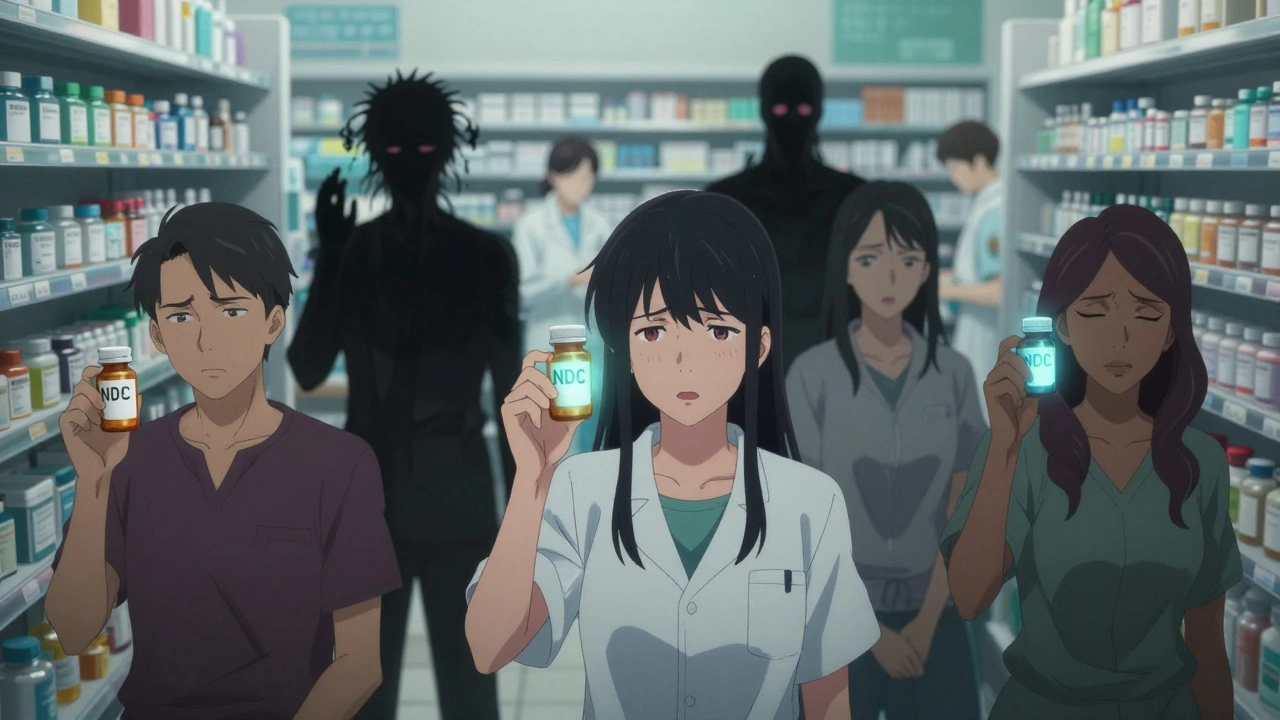
When you pick up a generic pill at the pharmacy, you’re getting the same active ingredient as the brand-name version-right? That’s what the FDA says. But what if you feel different after switching? Maybe your anxiety spiked after switching to a new generic sertraline. Or your thyroid levels went haywire after changing levothyroxine brands. You’re not imagining it. And you’re not alone. Millions of Americans take generics every day, and when something goes wrong, MedWatch reporting is the only system in the U.S. that lets you or your doctor tell the FDA about it.
What Is MedWatch and Why Does It Exist for Generics?
MedWatch is the FDA’s official system for collecting safety reports on medicines, devices, and other health products. It started in 1993, but its role for generic drugs has grown massively. Today, generics make up 90% of all prescriptions filled in the U.S. Yet they account for less than a quarter of drug spending. That means a huge number of people are taking them-and if something goes wrong, the FDA needs to know.
Unlike brand-name drugs, which go through years of testing before approval, generics are approved based on bioequivalence studies. They must deliver 80-125% of the same amount of active ingredient as the brand. But that doesn’t mean every generic works the same for every person. Differences in fillers, coatings, or manufacturing can affect how a drug is absorbed. That’s why patients report issues like reduced effectiveness, new side effects, or sudden relapses after switching.
MedWatch is the only place where these real-world problems get documented. Without it, the FDA would have no way to spot patterns-like a specific generic version of bupropion XL causing more seizures than others. That’s exactly what happened in 2022. Dozens of reports came in through MedWatch. The FDA investigated. Within 11 months, the label was updated to warn about the risk.
How Are Generic Drug Reports Different From Brand-Name Reports?
Here’s the problem: MedWatch doesn’t always know what you’re reporting on. When you fill out the form online or on paper, you’re asked to list the drug name. But if you just type in “sertraline,” the system doesn’t know if you mean the brand Zoloft or the generic made by Teva, Mylan, or Sandoz.
That’s a big deal. In 2023, FDA analysis showed only 28% of consumer reports included the National Drug Code (NDC)-the unique number on the pill bottle that identifies the exact manufacturer and version. For brand-name drugs, that number appears in nearly 90% of reports. For generics? Barely a third.
Healthcare professionals are better at it. Pharmacists and doctors are more likely to check the bottle and enter the NDC. But even then, many don’t. A 2024 survey found that 78% of providers said they struggled to tell which generic manufacturer was involved when reporting an issue. That means the FDA might see “generic sertraline” as one problem-but it could be coming from just one company’s version, not all of them.
That’s why researchers built a special algorithm to help. By 2024, the FDA started using this tool to automatically flag and sort reports likely involving generics. It’s 92% accurate. But it’s still not perfect. And it can’t fix bad data. If you don’t know which manufacturer made your pill, the system can’t help you.
What Kind of Problems Get Reported?
Not every side effect is reported. People usually only report serious or unusual events. But for generics, there are three main types of issues that show up again and again:
- Therapeutic inequivalence-the drug just doesn’t work like it used to. Patients on levothyroxine report fatigue, weight gain, or heart palpitations after switching. Depression patients say their meds stopped working after a generic switch.
- New or worsening side effects-a rash, dizziness, or nausea that didn’t happen with the brand-name version.
- Product quality problems-pills that crumble, have odd colors, or don’t dissolve properly.
One Reddit user, a pharmacist with 17 MedWatch reports under his belt, said he’s seen the same pattern: “Levothyroxine generics are the most common. Patients say they feel worse. Labs show TSH levels off. Only two responses from FDA-but one led to a label change.”
That’s the power of MedWatch. One report might not change anything. But 50 reports from different states, all pointing to the same generic version? That’s a signal. And the FDA acts on signals.
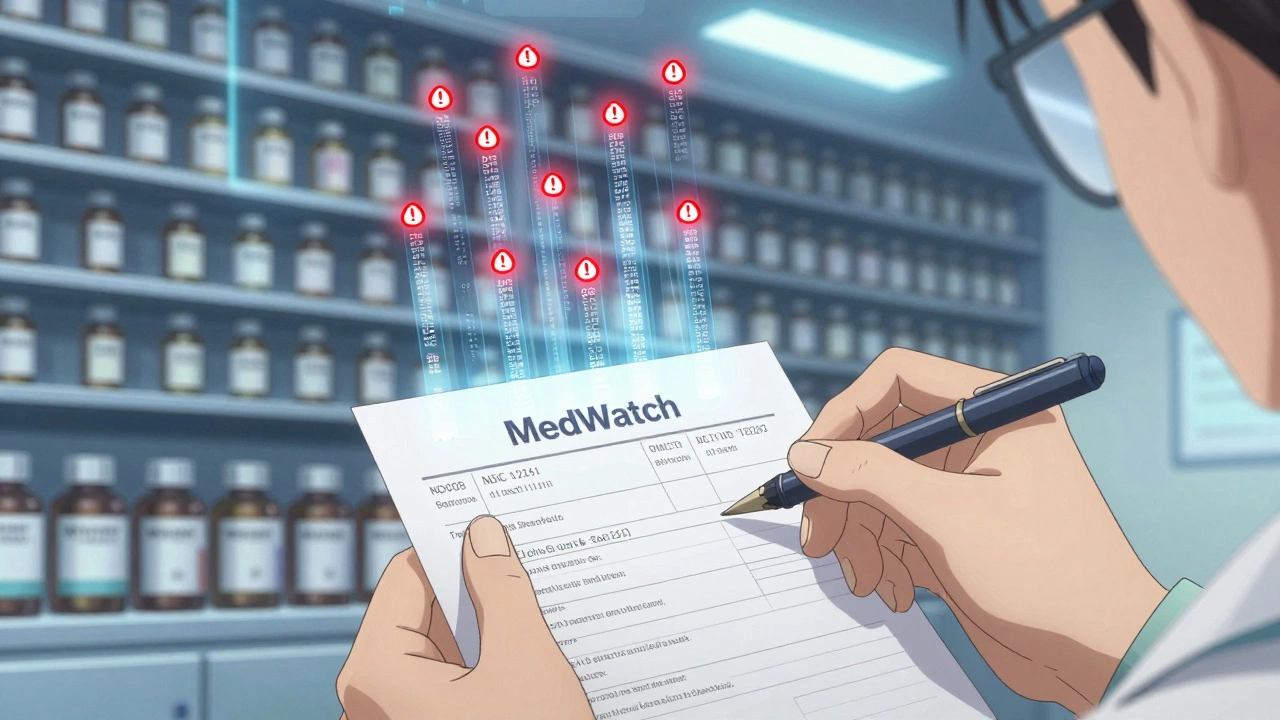
How Do You Actually File a MedWatch Report for a Generic?
It’s not hard. But it’s easy to do it wrong. Here’s how to get it right:
- Find the NDC number-it’s on the pill bottle or box, usually a 10- or 11-digit number. Write it down. This is the single most important detail.
- Write the drug name correctly-for generics, enter the generic name first, then add “generic” and the manufacturer if you know it. Example: “sertraline generic, Teva” or “levothyroxine generic, Mylan.”
- Describe what happened-when did you start the new generic? What symptoms appeared? Did you go to the doctor? Were lab tests done? Include dates and numbers if you can.
- Submit it-you can do it online at www.fda.gov/MedWatch or fill out Form FDA 3500. Online is faster. Paper takes longer but works if you don’t have internet.
Don’t wait. If you think a generic caused harm, report it. Even if you’re not sure. The FDA doesn’t need proof-just a good description. They’ll investigate.
Why Do So Few People Report Generic Problems?
Most patients don’t even know MedWatch exists. A 2023 study found that fewer than 15% of people taking generics had heard of the FDA’s safety reporting system. And even those who have heard of it often don’t know how to report a generic-specific issue.
Here’s what patients say:
- “I didn’t know I was supposed to say which company made it.”
- “The form didn’t have a place to pick the manufacturer.”
- “I thought if it’s generic, it’s all the same.”
Pharmacists face time pressure. A 2024 survey found 71% said they’d skip a detailed report because they’re busy. But here’s the thing: a 10-minute report could prevent someone else from having the same reaction.
And let’s be honest-many patients don’t report because they don’t trust the system. “I reported my reaction to sertraline,” wrote one user on Drugs.com in January 2025. “No one ever called back. I felt like I was shouting into the void.”
That’s the biggest challenge. MedWatch is voluntary. It’s not mandatory for doctors or patients. So it’s full of gaps. Experts estimate that for every serious adverse event reported, 10 to 100 go unreported. For generics? The number is probably higher.
What’s Changing in 2025 and Beyond?
The FDA knows the system is broken. That’s why they’re fixing it.
In 2023, the agency launched GDUFA III-the Generic Drug User Fee Amendments. One of its main goals? Improve how generic safety data is tracked. They’re working with EHR systems to automatically pull NDC codes when a prescription is filled. By 2026, that data could flow directly into MedWatch. No more guessing. No more missing manufacturer names.
They’re also translating forms into Spanish and training pharmacists on how to explain reporting to patients. And they’re publishing more data on generic safety signals-so doctors and patients can see what’s being reported.
But none of this matters if people don’t report. The system only works if you use it.
Who Should Report-and When?
You don’t have to be a doctor to report. If you’re a patient and you notice something strange after switching to a generic, report it. If you’re a pharmacist and you see a pattern of complaints about a specific generic version, report it. If you’re a nurse and a patient’s blood test suddenly looks off after a drug change, report it.
Don’t wait for a hospitalization. Don’t wait for a lawsuit. Don’t wait for someone else to do it.
Here’s the bottom line: The FDA doesn’t have eyes everywhere. MedWatch is the only way they see what’s happening in real life. And generics are the backbone of U.S. healthcare. If they’re not working right, millions of people are at risk.
Reporting takes five minutes. It might feel pointless. But that one report you file? It could be the one that triggers a label change, a recall, or a new warning that saves someone else’s life.
Can I report a side effect from a generic drug even if I’m not sure it’s the cause?
Yes. MedWatch accepts reports even if you’re unsure whether the drug caused the problem. The FDA’s job is to look for patterns. One report might not mean much, but if 20 people report the same issue with the same generic version, that’s a signal. The FDA investigates signals-not just confirmed causes.
Do I need to know the manufacturer’s name to report a generic drug problem?
It’s not required, but it’s critical. Without the manufacturer name or NDC number, the FDA can’t tell which version of the generic caused the issue. That makes it impossible to act. Always check the pill bottle for the NDC code and write it down. If you don’t know the manufacturer, write “generic” followed by the drug name-but try to find the NDC if you can.
Why don’t generic drug reports show up as often as brand-name reports?
Because most patients don’t know to distinguish between brand and generic. Many assume all versions are identical. Also, healthcare providers often don’t document the manufacturer in records. As a result, only about 33% of generic reports include enough detail to identify the maker. In contrast, 89% of brand-name reports do. This creates a data gap that makes it harder for the FDA to detect problems specific to certain generics.
What happens after I file a MedWatch report?
You won’t usually get a personal reply. The FDA reviews thousands of reports each month. Your report gets added to a database called FAERS, where analysts look for patterns. If enough reports point to the same issue with a specific generic, the FDA may investigate further-requesting data from the manufacturer, reviewing lab studies, or even requiring label changes. It can take months or even years. But your report is part of that process.
Are generic drugs less safe than brand-name drugs?
No. The FDA requires generics to meet the same strict standards for quality, purity, and strength as brand-name drugs. But because generics can differ in inactive ingredients or manufacturing methods, some people may react differently. This doesn’t mean the drug is unsafe-it means individual responses can vary. That’s why reporting these differences matters. It helps the FDA understand which specific versions may need closer attention.

Reviews
omg i just switched my sertraline generic and felt like a zombie for 2 weeks 😩 i thought it was me but now i know im not crazy. thank you for this post!!
MedWatch reporting is a civic duty. Every patient must document adverse events. The system is flawed but it is the only mechanism available. Failure to report is negligence.
Of course generics are trash. American pharma is getting robbed by Indian and Chinese labs. We need to ban foreign generics and make everything in the USA. End of story.
Thank you for writing this. I was so scared to speak up about my thyroid meds changing but now I know I’m not alone. Just filed my report with the NDC code. Small act big impact 💪
The structural deficiencies in the MedWatch system are manifest. The absence of mandatory NDC capture constitutes a critical data governance failure. One cannot extrapolate pharmacovigilance trends from incomplete datasets. The FDA must enforce standardization.
Anyone who can't spell 'sertraline' correctly shouldn't be allowed to file a report. And if you don't know your NDC, you're not a patient-you're a liability.
I switched to a generic bupropion and had a full panic attack in the middle of Target. I cried in the parking lot. Then I reported it. Then I screamed into my pillow. Then I reported it again. #MedWatchMatters
Check your bottle. Write the NDC. Submit the form. Five minutes. Do it.
This is important. I live in Nigeria and we don't have this system. But I've seen people here suffer from fake or inconsistent meds. Your post helps me understand how to help others. Thank you for sharing.
Okay so I’ve been tracking this since 2021 and I’ve got 17 different generic versions of levothyroxine in my spreadsheet and I did a regression analysis on the TSH fluctuations and the NDCs and I found that Mylan’s 88mcg version has a 37% higher rate of adverse events than Teva’s 75mcg version and also the fillers in Mylan’s version contain lactose monohydrate which is a known trigger for autoimmune thyroid flares in genetically susceptible individuals and also the coating is thinner so the dissolution rate is inconsistent across batches and I emailed the FDA three times and they didn’t reply so I started a subreddit r/GenericMedWatch and we have 4,200 members now and I’ve got a spreadsheet with 892 verified reports and if you’re not using the NDC you’re not helping and if you’re using the brand name you’re part of the problem and also I made a chrome extension that auto-fills the NDC from the pill bottle photo so if you want the link DM me I’ll send you the beta version and also I’m doing a live AMA next Tuesday at 7PM EST and I’ll be joined by a pharmacist who has filed 114 reports and we’re gonna break down the FDA’s 2024 signal detection algorithm and also I’m writing a book called ‘The Generic Conspiracy’ and I need a publisher and also I think the FDA is being influenced by big pharma but I have no proof so I’m just saying maybe and also if you’re not reporting you’re complicit