
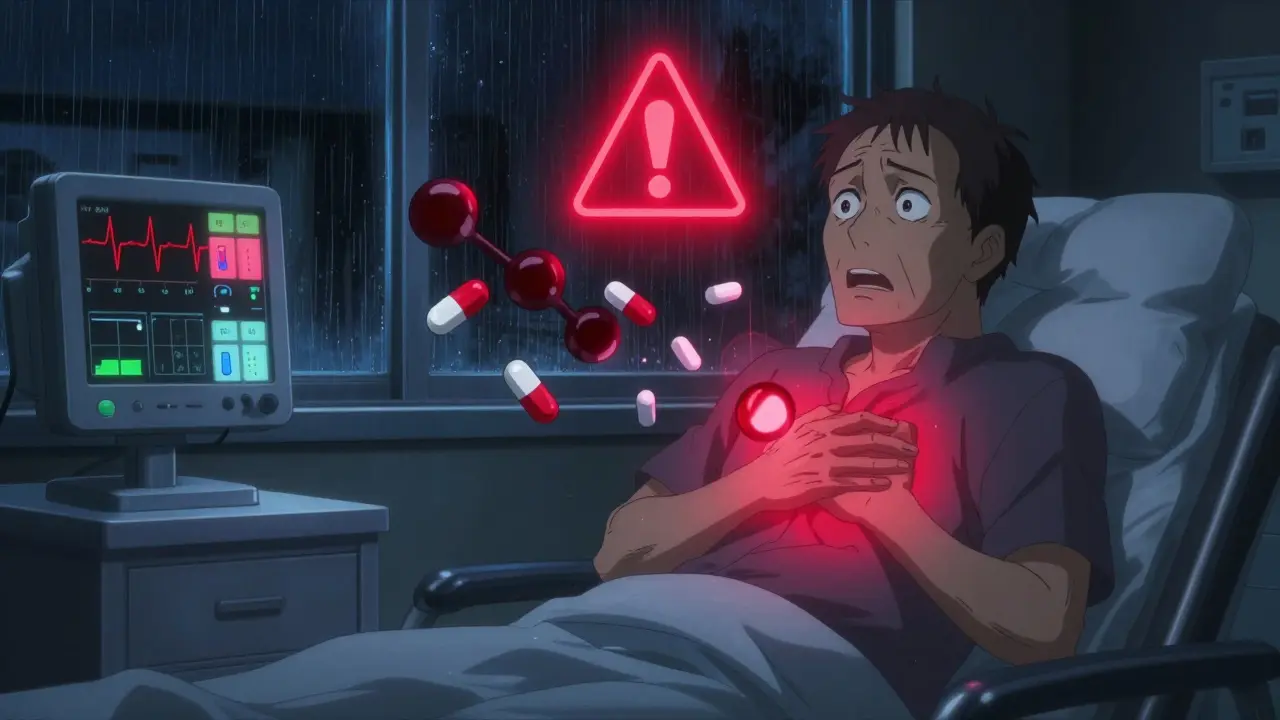
More than 40% of adults taking prescription or over-the-counter medications are at risk of dangerous reactions when they drink alcohol. It’s not just about getting drunk faster. It’s about your heart racing, your liver failing, or your breathing stopping-sometimes without warning. These aren’t rare stories. They happen every day, and most people have no idea they’re at risk.
Why Alcohol and Medications Don’t Mix
When you drink alcohol, your body treats it like a toxin. It uses enzymes in your liver-mainly alcohol dehydrogenase and cytochrome P450-to break it down. But those same enzymes are also used to process most medications. When both are present, they fight for space. The result? Your body can’t handle either properly. There are two main ways this goes wrong. First, alcohol can slow down how fast your body clears the medicine. That means the drug builds up in your system, turning a normal dose into an overdose. Second, alcohol can make the medicine work too hard. This is especially dangerous with drugs that calm your nervous system-like sleeping pills, anxiety meds, or painkillers. Together, they can shut down your breathing.Medications That Turn Alcohol Into a Danger Zone
Some medications are fine with a drink now and then. Others? One sip can land you in the ER.- Antibiotics like metronidazole (Flagyl): Even one beer can cause flushing, vomiting, chest pain, and a heart rate over 180 beats per minute. This isn’t a side effect-it’s a chemical reaction. Up to 92% of people who mix them experience it.
- Benzodiazepines (Xanax, Valium, Ativan): These are meant to calm you down. Alcohol does the same. Together, they can depress your breathing to dangerous levels. The CDC says this combo is behind 32% of all alcohol-medication deaths.
- Opioids (oxycodone, morphine, hydrocodone): Alcohol makes these even more likely to stop your breathing. The risk jumps eightfold. This is why overdoses from mixed prescriptions are rising.
- Antidepressants (SSRIs like Prozac, Zoloft): You might think it’s safe to have a glass of wine after a long day. But alcohol makes these drugs less effective and can make you feel more dizzy, drowsy, or even more depressed. Studies show it extends how long you feel drunk by over three hours.
- Antihistamines (Benadryl, Zyrtec): These are common for allergies or sleep. Add alcohol, and your drowsiness multiplies by 300%. You could fall asleep behind the wheel.
- Acetaminophen (Tylenol): Taking three or more drinks a day with this painkiller can cause sudden liver failure. Even one drink a day with regular use raises liver enzyme levels in nearly half of users.
- NSAIDs (ibuprofen, naproxen): These are fine for occasional use with a drink. But if you drink regularly and take these daily, your risk of stomach bleeding triples or quadruples.
The Hidden Risks in Over-the-Counter Drugs
People assume if it’s sold on a shelf, it’s safe. That’s not true. You don’t need a prescription to hurt yourself. Take cold and flu meds. Many contain antihistamines or acetaminophen. A nighttime cough syrup might have diphenhydramine-same as Benadryl. A pain reliever might have acetaminophen. Drink alcohol with any of them, and you’re stacking risks without realizing it. Even supplements can be risky. Melatonin, valerian root, or kava-often used for sleep-can act like sedatives. Mix them with alcohol, and you’re playing Russian roulette with your breathing.Who’s Most at Risk?
It’s not just older adults. But they’re the most vulnerable. People over 65 process alcohol and drugs slower. Their livers have less blood flow-about 35% less than when they were 25. That means even small amounts of alcohol can have big effects. The American Geriatrics Society lists 17 medications that are especially dangerous for seniors when mixed with alcohol. But middle-aged adults are the most common group mixing alcohol and meds. About 7.2% of people between 40 and 59 are doing it regularly. Many don’t think it’s a problem because they’re not “heavy drinkers.” But “moderate” doesn’t mean safe with meds.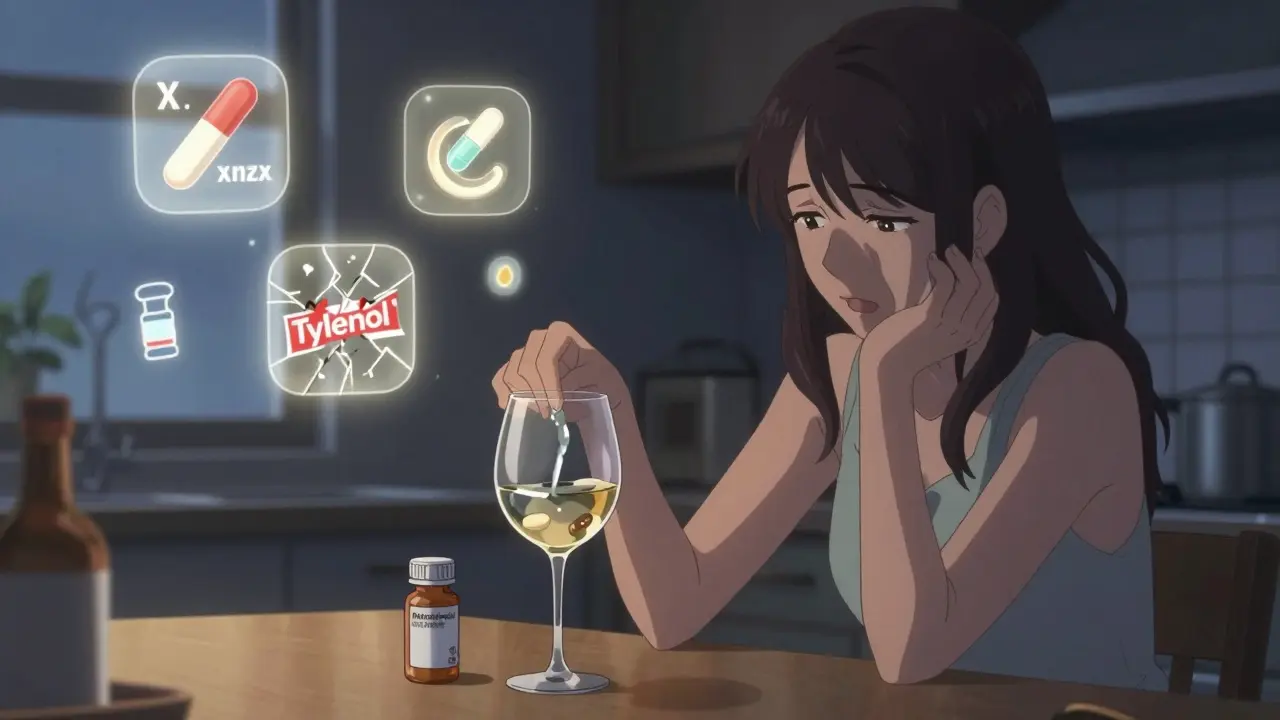
What Does ‘Moderate Drinking’ Really Mean?
The CDC says moderate is one drink a day for women, two for men. But that’s not a green light when you’re on medication. A standard drink is:- 12 oz of beer (5% alcohol)
- 5 oz of wine (12% alcohol)
- 1.5 oz of spirits (40% alcohol)
What You Should Do
You don’t have to quit alcohol forever. But you do need to be smart.- Ask your doctor or pharmacist every time you get a new prescription. Don’t assume they’ll tell you. Only 42% of prescription bottles have alcohol warnings. And 68% of patients say they were never warned.
- Check your meds online. Use trusted tools like the NIAAA’s Alcohol-Medication Interaction Risk Calculator or GoodRx’s interaction checker. But know this: only 37% of online tools are fully accurate. Always cross-check with a professional.
- Read the medication guide. It’s the small paper that comes with your pill bottle. If it doesn’t mention alcohol, ask.
- Wait 72 hours before drinking if you start a high-risk drug like metronidazole. It’s not optional. It’s medical fact.
- Don’t drink on an empty stomach. Food slows alcohol absorption. It won’t make it safe, but it can give your body a little more time to process it.
- Know the warning signs. Flushing, nausea, rapid heartbeat, dizziness, confusion, or trouble breathing-even if they seem mild-could mean a serious reaction. Stop drinking and get help.
Why Most People Don’t Know This
Doctors don’t always bring it up. Pharmacists might not have time. And patients often don’t think to ask. A 2022 AARP survey found that two out of three patients never received a warning about alcohol and their meds. Meanwhile, 68% of adults wrongly believe that “moderate” drinking is safe with all medications. Even the labels are misleading. Only 42% of prescription bottles have clear alcohol interaction warnings. The FDA started requiring pictograms on high-risk drugs in May 2023-but many older meds still don’t have them.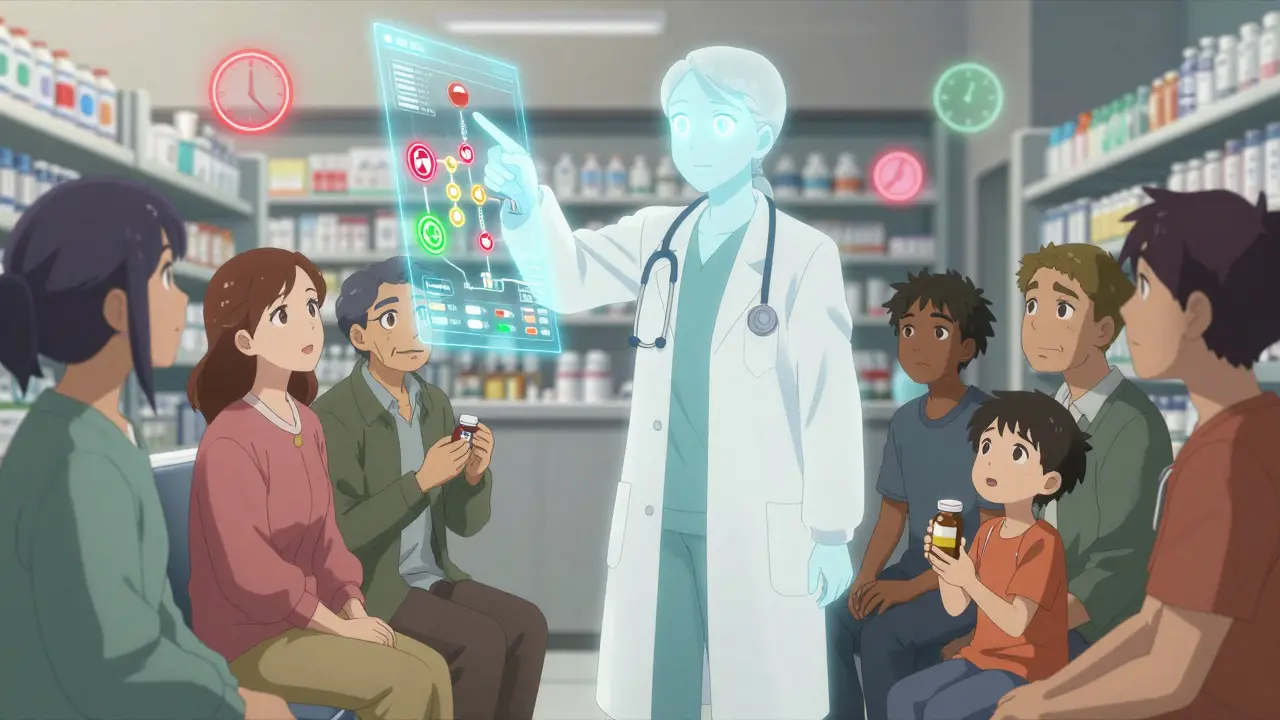
What’s Changing
There’s progress. Telehealth platforms now ask patients about alcohol use during virtual visits. Medicare Part D plans will soon be required to flag risky combinations when prescriptions are filled. Stanford Medicine’s AI system reduced dangerous combinations by 37% in six months. But the real change comes from you. If you’re on medication, don’t guess. Don’t assume. Ask.Real Stories, Real Consequences
One woman took metronidazole for a bacterial infection. She had one beer at dinner. Within 20 minutes, she was vomiting, her heart was racing, and she ended up in the ER. Her review on Amazon says: “I thought one drink wouldn’t hurt. I was wrong.” Another man took hydroxyzine for anxiety. His wife made wine part of their weekend routine. His pharmacist noticed the combo and warned him. He stopped drinking. He says: “I didn’t realize how shaky I’d been until I stopped.” These aren’t outliers. They’re examples of what happens when people don’t know the risks.Final Advice: When in Doubt, Skip It
There’s no safe level of alcohol for every medication. Some drugs are okay with occasional drinks. Others? No exceptions. If you’re not sure, don’t drink. It’s not about being perfect. It’s about being smart. One drink might not kill you-but it might be the one that does.When you take medication, your body is already working hard. Don’t make it fight alcohol too.
Can I have one drink with my medication?
It depends on the medication. Some, like ibuprofen or most antibiotics, are okay with one drink occasionally. Others, like metronidazole, benzodiazepines, or opioids, are never safe with alcohol. Always check with your pharmacist or doctor. Never assume it’s safe just because you’ve had one drink before.
How long should I wait after taking medication before drinking?
There’s no universal rule. For short-acting drugs like acetaminophen or NSAIDs, waiting 4-6 hours may reduce risk. But for drugs with long half-lives like diazepam (Valium), you need to wait 5-10 days. The safest approach is to avoid alcohol entirely while taking high-risk meds. If you’re unsure, ask your pharmacist for the half-life of your medication.
Do alcohol warnings appear on all prescription bottles?
No. Only 42% of prescription bottles include alcohol interaction warnings, according to a 2021 FDA audit. Many older medications don’t have them, even if they’re dangerous with alcohol. Always ask your pharmacist, even if the bottle doesn’t say anything.
Is it safe to drink while taking supplements?
Many supplements aren’t regulated like medications, but they can still interact with alcohol. Melatonin, kava, valerian root, and even high-dose vitamin B3 can increase drowsiness or liver stress. Treat supplements like medications-ask your pharmacist if they’re safe with alcohol.
Can alcohol make my medication less effective?
Yes. Chronic alcohol use can speed up how fast your liver breaks down some medications, making them less effective. This is common with antidepressants, anticonvulsants, and some blood pressure drugs. You might think your medicine isn’t working-but it’s your drinking that’s reducing its effect.
What should I do if I accidentally mixed alcohol and medication?
If you feel dizzy, nauseous, have a rapid heartbeat, trouble breathing, or confusion, seek medical help immediately. Call your doctor, go to the ER, or contact Poison Control (1-800-222-1222). Don’t wait. Even if you feel fine now, symptoms can appear hours later.
Are there tools to check if my meds interact with alcohol?
Yes. The NIAAA’s Alcohol-Medication Interaction Risk Calculator (AMIRC) and GoodRx’s interaction checker are reliable starting points. But they’re not perfect. Always confirm with a pharmacist or your doctor. They have access to the most up-to-date clinical data.
Why do some people say they drink with their meds and feel fine?
Because not everyone reacts the same. Genetics, liver health, age, and how often you drink all play a role. But just because someone else didn’t get sick doesn’t mean it’s safe. One person’s tolerance isn’t a guide for your safety. The risk is still there.


Reviews
Alcohol and meds? Don't even think about it. One drink can kill you. Period.
Doctors don't warn you because they're too busy. You're on your own.
Read the damn label. Or don't. But don't blame anyone when it goes wrong.
One must consider the pharmacokinetic implications of concurrent ethanol consumption with hepatically metabolized pharmaceuticals. The competitive inhibition of cytochrome P450 isoforms is not merely a theoretical concern-it is a clinically validated phenomenon with mortality data to substantiate it.
It is, therefore, intellectually negligent to assume that 'moderate' imbibing is permissible absent explicit clearance from a licensed pharmacologist.
Man, I used to think a glass of wine with my Zoloft was my little reward after a long day.
Turns out, I was just slowly turning my brain into a soggy cereal bowl.
After I stopped, I actually slept through the night for the first time in years.
My anxiety didn’t vanish-but it stopped screaming like a banshee at 3 a.m.
And my liver? It gave me a silent high-five.
It’s not about giving up joy. It’s about swapping cheap thrills for real peace.
I didn’t lose anything. I gained back my mornings.
My dog even noticed-I stopped stumbling to the fridge at midnight.
Alcohol doesn’t calm you. It just mutes your soul until it forgets how to sing.
And yeah, I still have a beer sometimes. But only after I’ve checked with my pharmacist like a responsible adult.
It’s not about perfection. It’s about showing up for yourself.
One sip isn’t the enemy. Ignorance is.
And ignorance? That’s the only thing we can actually fix.
Bro just don't drink. Like at all. Ever. You think you're cool mixing wine and Xanax? Nah. You're just a walking O.D. waiting for a nap.
And don't give me that 'I've done it for years' crap. So have a lot of people. And half of 'em are dead now.
Stop being a dumbass. Your liver doesn't care how 'responsible' you think you are.
Wait-so acetaminophen plus one drink a day raises liver enzymes in nearly half of users?
And metronidazole plus beer causes heart rates over 180?
And diazepam lingers for 100 hours?
And 68% of patients say they were never warned?
And only 42% of bottles have warnings?
And supplements like kava and melatonin are basically sedatives?
And the FDA only started requiring pictograms in 2023?
And Stanford’s AI cut dangerous combos by 37%?
And the CDC says this combo causes 32% of alcohol-med deaths?
And one beer landed a woman in the ER?
And you’re telling me we’re still treating this like a casual lifestyle choice?
How is this not a national emergency?
And why are we still letting pharma companies get away with burying these warnings?
Someone needs to sue someone.
And someone needs to start a movement.
And someone needs to stop pretending this is just ‘personal responsibility’
It’s systemic negligence.
And we’re all paying for it.
With our lives.
People are idiots. One drink? Yeah right. You think you’re special? You’re not. You’re just dead inside and pretending you’re in control.
Stop drinking. Just stop.
yo i take tylenol with whiskey every weekend and im fine lmao
you guys are overreacting. my liver is a tank. its been through worse.
also i read the label and it didnt say no alcohol so its fine right??
why do people make everything so dramatic??
Neil Ellis’s comment is the most honest thing I’ve read all week.
But let’s be real-this isn’t about awareness.
This is about capitalism.
Pharma makes billions selling meds. Alcohol makes billions selling drinks.
Who’s gonna warn you when both are profit centers?
The FDA? They’re underfunded.
Doctors? They have 8-minute appointments.
Pharmacists? They’re overwhelmed.
And you? You’re just a number on a spreadsheet.
So yeah-ask your pharmacist.
But don’t expect them to save you.
Save yourself.
Because no one else will.