
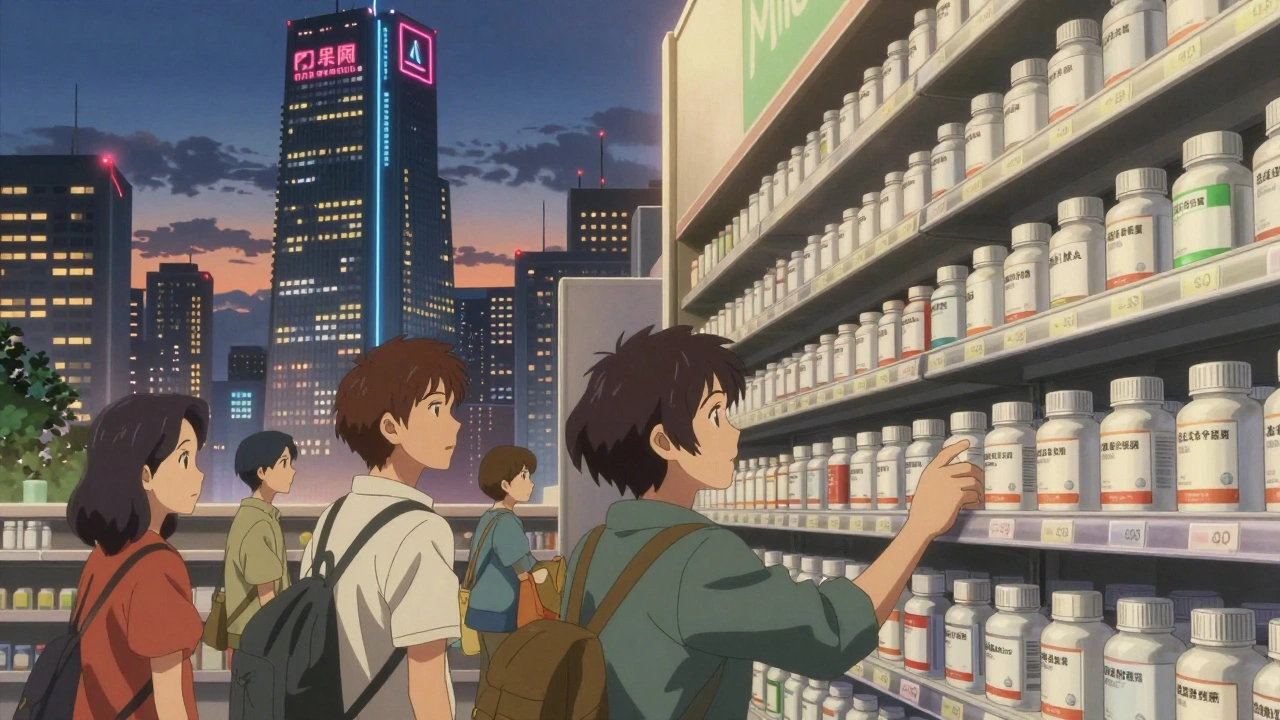
Every year, the world spends over $1.6 trillion on medicines. That’s more than the GDP of most countries. And yet, billions of people still can’t afford the drugs they need. The reason? It’s not just about how much we spend - it’s about generics and who gets to use them.
Generics Are the Hidden Force Holding Down Drug Prices
When a new drug hits the market, it comes with a price tag that can hit tens of thousands of dollars per year. A single course of cancer treatment? Sometimes over $100,000. But five to ten years later, that same drug becomes available as a generic - often for less than $100. That’s not a guess. It’s what happens in real life. In the U.S., the average cost of a 30-day supply of a brand-name statin like Lipitor was $250 in 2010. After generics entered the market, the price dropped to $10. In India, it’s $2.
Generics don’t just lower prices. They change who gets treated. In countries where people pay out of pocket - like Nigeria, Afghanistan, or Armenia - over 75% of healthcare spending comes from individual wallets. Without generics, many of those people simply wouldn’t get any medicine at all. In high-income countries, generics make up 80-90% of all prescriptions filled. That’s not because doctors prefer them. It’s because they work just as well and cost a fraction.
Why Drug Spending Keeps Rising - Even With Generics
Here’s the twist: even with generics, total healthcare spending is still climbing. In the U.S., drug spending jumped from $437 billion in 2023 to $487 billion in 2024. That’s an 11.4% increase in just one year. Why? Because the new drugs being developed aren’t simple pills. They’re complex biologics - injectables, infusions, gene therapies - that cost $500,000 a year. And there are no generics for these yet. Not really.
Biosimilars - the close cousins of generics for biologic drugs - are slow to catch on. In Europe, they’re widely used. In the U.S., doctors still prescribe the original brand 80% of the time, even when a biosimilar is available. Why? Insurance doesn’t always cover them. Patients don’t know they exist. And pharma companies spend millions to convince doctors to stick with the expensive version.
Meanwhile, the biggest cost drivers aren’t even the new drugs. They’re the technologies behind them - AI diagnostics, robotic surgery, precision medicine. Insurers report that two-thirds of rising costs come from these innovations. Generics can’t touch those. But they can - and do - keep the rest of the system from collapsing.
The Global Divide: Who Gets Generics - And Who Doesn’t
Not all countries are equal when it comes to access. In 2022, high-income countries spent an average of 5.8% of their GDP on health. Lower-middle-income countries? 2.4%. Low-income countries? Just 1.2%. That’s not a typo. In places like Malawi or Lebanon, public health spending dropped by over 40% after the pandemic. No one’s building new hospitals. But they still need antibiotics, blood pressure meds, insulin.
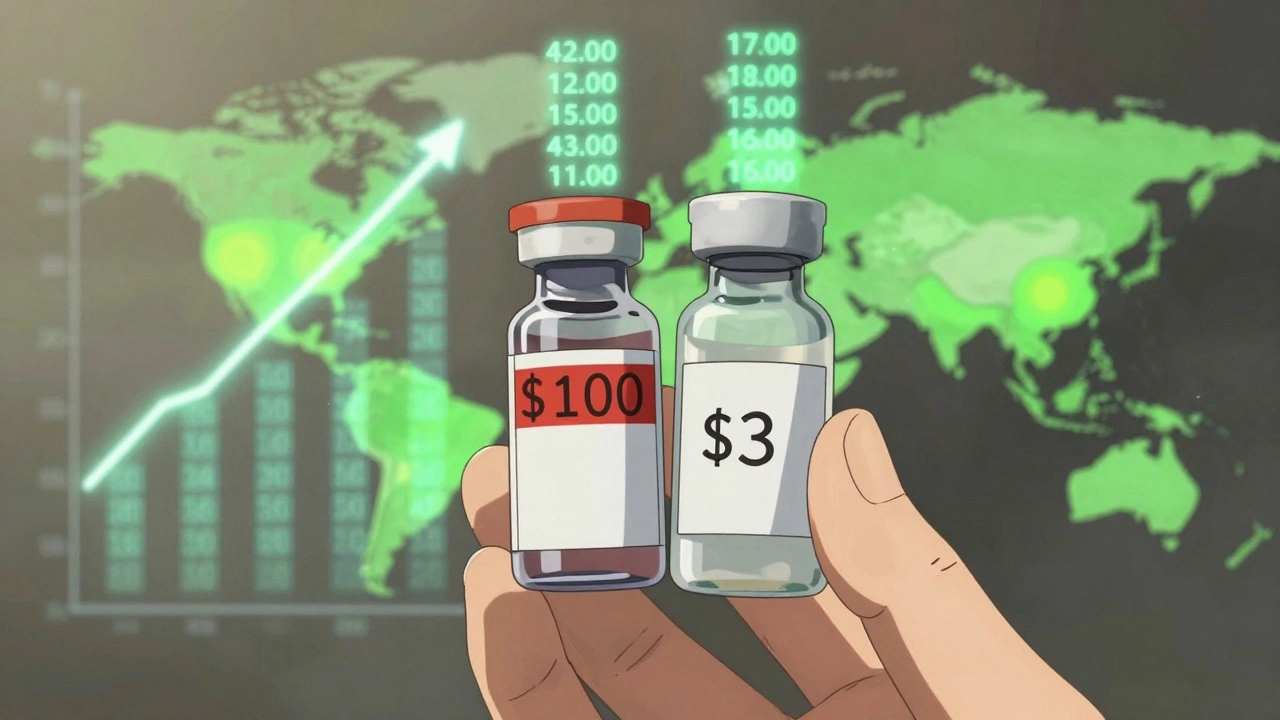
That’s where generics become survival tools. India and China are now the world’s largest producers of generic medicines. India alone supplies over 50% of the world’s generic drugs. A generic version of insulin costs $3 a vial in India. In the U.S., it’s $100. And that’s not because Indian manufacturers are cheaper - it’s because the government allows them to make it without paying patent fees.
But here’s the problem: many low-income countries can’t even afford to buy generics in bulk. They rely on donations from NGOs or international aid. And that aid is shrinking. The global funding for health dropped to $39.1 billion in 2025 - the lowest since 2009. So even if the medicine exists, the money to buy it doesn’t.
How the U.S. Got It Right - And Then Blew It
The U.S. has the most advanced pharmaceutical market in the world. It’s also the most expensive. Americans pay more for drugs than any other country. And yet, the U.S. has one of the highest generic use rates - 90% of prescriptions are generics. So why are drug costs still soaring?
Because the 10% that aren’t generics are the ones that break the bank. New drugs for obesity, diabetes, and cancer - many of them priced above $10,000 a month - are growing fast. And insurers can’t negotiate prices. Medicare is legally barred from negotiating drug prices. Private insurers? They often have to accept whatever the manufacturer charges.
Meanwhile, patients pay more out of pocket. In 2025, the average American will spend $177 on prescriptions. By 2033, that number will hit $231. That’s a 30% increase. For someone on a fixed income, that’s not a small bump. It’s a choice between medicine and groceries.
Generics keep this from being worse. But they’re not a cure-all. They only work when they’re available - and when people can actually get them.
What’s Changing in Emerging Markets
China and other "pharmerging" countries are shifting. Ten years ago, they relied almost entirely on cheap generics. Now, they’re buying more expensive branded drugs. Why? Because more people have insurance. More people can afford to pay. And governments are investing in better healthcare systems.
In China, the government now pays for many branded drugs in public hospitals. That’s a good thing - it means better access to cutting-edge treatments. But it also means higher spending. And that puts pressure on the system. So now, China is trying to balance innovation with affordability. They’re pushing for more biosimilars. They’re negotiating bulk prices. They’re trying to build a system that doesn’t just copy Western models - but improves on them.
That’s the future: not just generics vs. brands. But smart systems that use both.
Why the World Can’t Afford to Ignore Generics
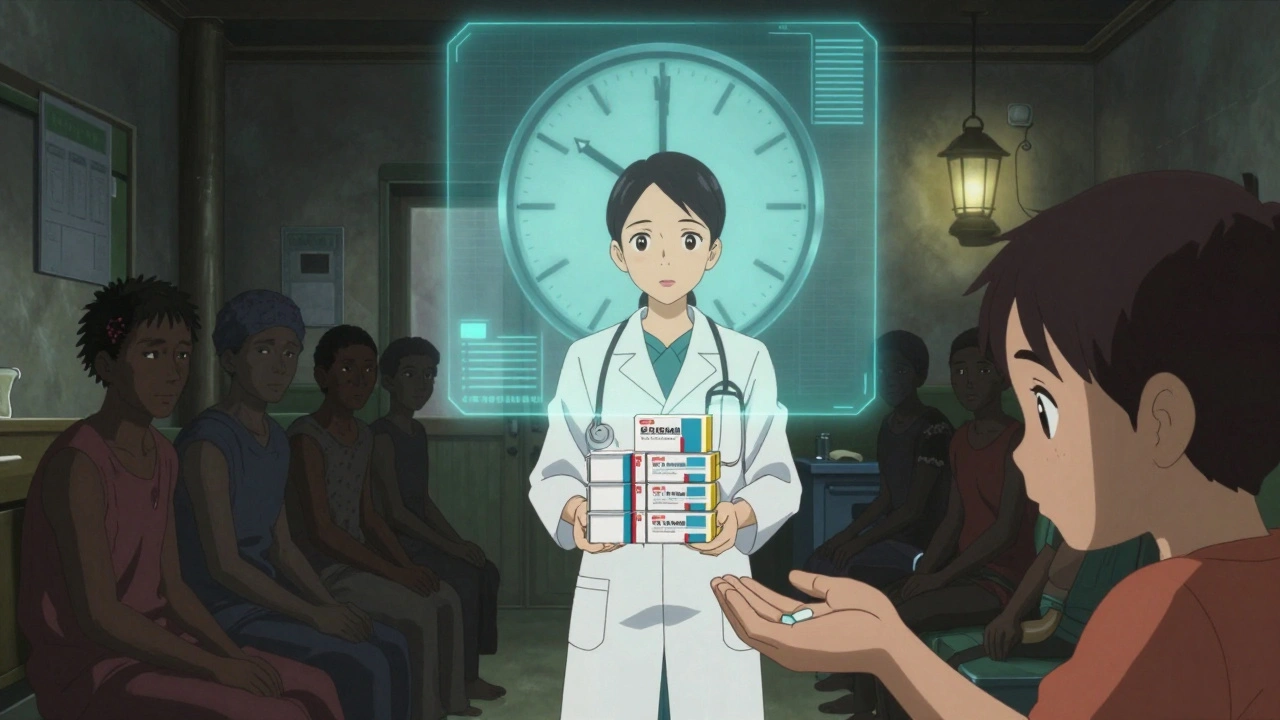
Healthcare spending is rising everywhere. The global average medical cost growth in 2025 is 10.4%. In Asia Pacific and the Middle East, it’s over 12%. Mental health costs are climbing fastest - up 15% or more in many places. And the global shortage of healthcare workers means even if you have the medicine, you might not have the person to give it to you.
Generics are the only thing holding this system together. They’re not glamorous. They don’t make headlines. But they’re the reason millions of people with diabetes, asthma, or high blood pressure are still alive today.
Without generics, global healthcare spending would be 30-40% higher. That’s trillions. That’s millions of people without care. That’s hospitals shutting down in poor countries because they can’t afford insulin.
Generics aren’t the solution to every problem. But they’re the only thing keeping the system from collapsing under its own weight. And if we stop investing in them - if we let patents drag on longer, if we block cheaper imports, if we let manufacturers delay biosimilars - we’re not just saving money for drug companies. We’re putting lives at risk.
What Needs to Change
Here’s what’s working:
- India and Brazil allowing generic production without patent restrictions
- Germany and the UK negotiating bulk prices for biosimilars
- WHO’s prequalification program helping low-income countries buy safe, affordable generics
Here’s what’s broken:
- U.S. laws that prevent Medicare from negotiating drug prices
- Patent evergreening - where companies tweak a drug slightly to extend exclusivity
- Insurance companies that don’t cover biosimilars or make them harder to get
The fix isn’t complicated. Let generics enter the market faster. Stop letting companies game the system. Pay for what works - not what’s most expensive. And make sure no one has to choose between medicine and rent.
Reviews
Generics are the unsung heroes of modern medicine. No one throws them a parade, but they’re the reason my dad’s blood pressure med costs $4 instead of $400. Simple as that.
Stop pretending generics are some kind of moral victory. The U.S. invented these drugs. We paid for the R&D. Now we’re being blackmailed by India and China playing global free-loader. If you want cheap meds, move to Bangladesh.
Wait, so you’re saying the reason drug prices are rising isn’t because of generics… but because we’re too lazy to make biosimilars work? That’s like blaming the stove for burning your toast because you didn’t flip it. The system’s broken, not the tool.
Generics saved my life. Seriously. I was on insulin for 12 years, paying $300/month until I switched to the Indian generic. Now it’s $15. I still cry a little every time I see the bottle. 🥲 Thank you, India. And thank you, science that doesn’t care about shareholder meetings.
Let’s not romanticize this. Generics aren’t magic. They’re the result of legal loopholes, political will, and manufacturing scale. The real story is how we’ve allowed profit to override access for decades. We knew this was coming. We just chose to look away until someone’s kid couldn’t get asthma inhalers.
Man, I’ve been thinking about this a lot lately. I work at a pharmacy, and I see it every day - elderly folks choosing between their meds and groceries. Generics? They’re the only thing keeping people alive. But here’s the kicker - even when generics are available, insurance makes them hard to get. Prior auths, step therapy, all this red tape. It’s like the system wants you to suffer before you get the $10 pill. We need to fix the middleman, not just the medicine.
Let’s be honest - this whole generics thing is a socialist plot disguised as public health. Why should a company invest $2 billion in R&D if some foreign factory can copy it in six months and sell it for pennies? You want affordable drugs? Then stop punishing innovation. Let the market work. If you can’t afford it, don’t take it. Simple. No one owes you a life.
There’s a deeper issue here: we treat medicine like a commodity, not a right. Generics reduce cost, but they don’t fix the moral failure of a system where survival depends on your zip code or bank balance. The solution isn’t just more generics - it’s a reimagining of healthcare as a public good, not a corporate product.
Just had my mom’s cholesterol med switched to generic. $12 instead of $280. She cried. I cried. We both realized how close we were to losing her. 🤍 Thanks to the people who make this possible - you’re the real MVPs.
Oh so now India’s the hero? Funny how they copy our drugs but won’t let us make their vaccines. Double standard much? And don’t get me started on China’s IP theft. This isn’t justice - it’s exploitation. We built this. They stole it. Now they’re selling it back to us like they’re the good guys. 🤡
EVERYTHING IS A CONSPIRACY. The FDA, Big Pharma, WHO - they’re all working together to keep you sick so they can sell you more drugs. Generics? Fake. They’re laced with rat poison. I read it on a forum. My cousin’s neighbor’s dog died after taking one. You think that’s a coincidence? 😈
While I appreciate the data-driven analysis, I must respectfully emphasize that the ethical imperative of equitable pharmaceutical access transcends economic metrics. The commodification of human survival is not merely a policy failure - it is a civilizational one. We must reorient our priorities from profit-driven innovation to dignity-centered care.
my bff got her diabetes meds from india for $3 a month and she said it’s the same as the us one 😭 we need to make this legal everywhere!! why is this even a debate?? 🤦♀️💖
What’s often overlooked is that generics aren’t just cheaper - they’re more reliable. In many low-resource settings, brand-name drugs are counterfeit or degraded due to poor storage. Generics produced under WHO-prequalified standards often have better quality control than the knockoffs flooding local markets. The real villain isn’t the generic - it’s the lack of supply chain integrity in vulnerable regions.
Generics are how the world stays alive. I’ve seen kids in rural Kenya get antibiotics because a vial cost $0.50 instead of $50. That’s not charity - that’s justice. And if you think innovation should be punished for being affordable… you’ve forgotten what medicine is for.