AIPCTShop: Pharmaceuticals, Medication & Supplements Guide

Hormonal Imbalance: What It Is and How to Tackle It

If your mood swings faster than the weather, sleep feels off, or weight hangs around stubbornly, you might be dealing with a hormonal imbalance. Simply put, it means the hormones that regulate everything from metabolism to mood are out of sync. This tag page pulls together practical advice and links to articles that help you understand and manage those shifts.

Spotting the Signs

Hormones act like messengers, so when they’re off, your body sends clear signals. Common clues include:

  • Unexpected weight gain or loss, especially around the belly.
  • Irregular periods, heavy bleeding, or missed cycles.
  • Sudden mood swings, anxiety, or depression.
  • Persistent fatigue that coffee can’t fix.
  • Hot flashes, night sweats, or low libido.
If you notice several of these together, it’s worth checking your hormone levels.

Why It Happens

Several everyday factors can tip the hormonal scales:

  • Age and life stages: Puberty, pregnancy, menopause, and even perimenopause bring big hormonal swings.
  • Stress: Chronic stress spikes cortisol, which can suppress thyroid and sex hormones.
  • Diet: Too much sugar or processed food can disrupt insulin and estrogen balance.
  • Sleep deprivation: Poor sleep messes with growth hormone and cortisol patterns.
  • Medications: Steroids, some birth‑control pills, and thyroid meds directly affect hormone production.

Understanding the root cause helps you choose the right fix.

Getting Tested

The easiest way to confirm an imbalance is a simple blood test. Your doctor may check:

  • Thyroid hormones (TSH, T3, T4)
  • Estrogen and progesterone
  • Testosterone (yes, even women have it)
  • Insulin or fasting glucose
  • Cortisol levels
Results give a clear picture, and many labs now offer at‑home kits for basic hormone panels if you prefer privacy.

Everyday Fixes That Work

You don’t need to jump straight into prescription meds. Small lifestyle tweaks often bring big relief:

  • Eat balanced meals: Aim for protein, healthy fats, and fiber every few hours. Foods like salmon, nuts, leafy greens, and avocados support hormone production.
  • Move daily: Even a 30‑minute walk lowers cortisol and improves insulin sensitivity.
  • Prioritize sleep: Keep the bedroom dark, cool, and tech‑free. Aim for 7‑9 hours of solid rest.
  • Manage stress: Try deep breathing, short meditation, or a hobby you love. Consistency beats intensity.
  • Limit alcohol and caffeine: Both can aggravate hormonal spikes, especially around bedtime.

If natural steps aren’t enough, hormone therapy might be an option. Our article How and Where to Safely Buy Premarin Online in 2025 walks you through safe sourcing of prescription estrogen for menopause‑related imbalances.

When to Seek Professional Help

If symptoms are severe, persist despite lifestyle changes, or you have risk factors like a family history of thyroid disease, book an appointment. A clinician can prescribe targeted treatments—like bioidentical hormone replacement, thyroid medication, or insulin‑sensitizing drugs—and monitor progress.

Remember, hormonal health is personal. What works for one person might not suit another, so stay curious and keep testing what feels right for you.

The Connection Between Thyroid Deficiency and Insulin Resistance
9.05.2023

The Connection Between Thyroid Deficiency and Insulin Resistance

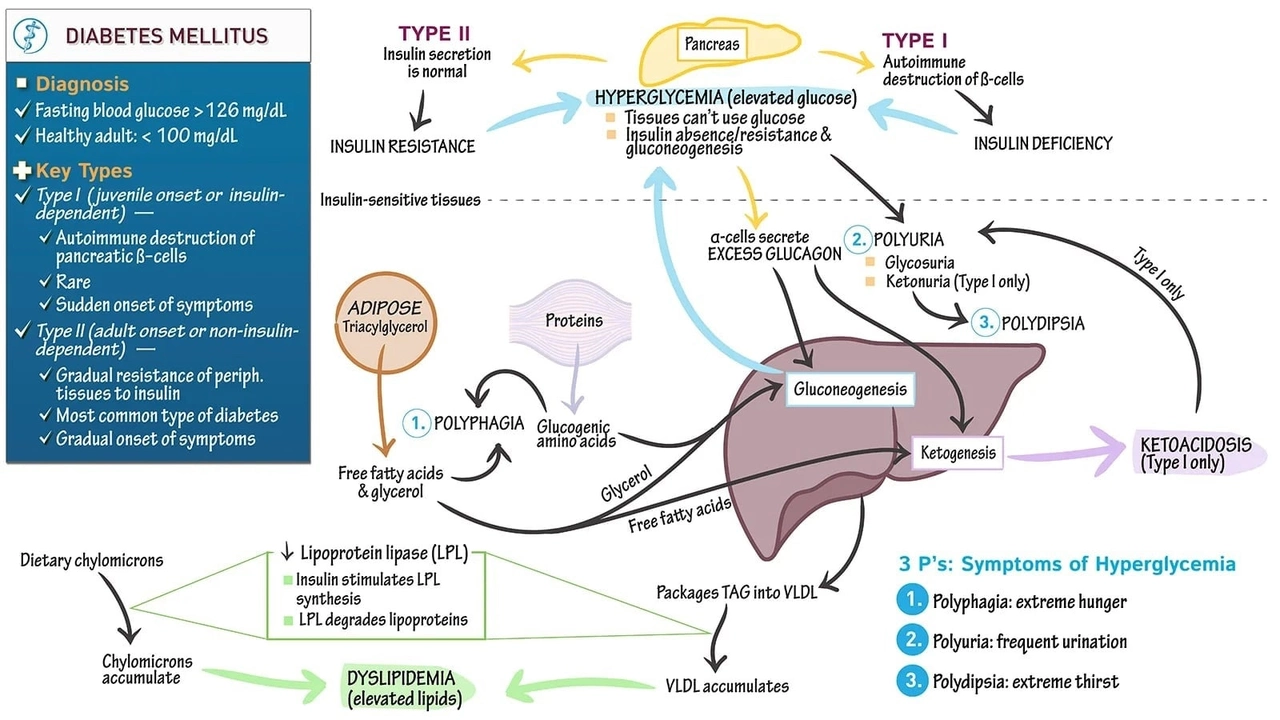
As a blogger, I recently came across some interesting research on the connection between thyroid deficiency and insulin resistance. It appears that hypothyroidism, or an underactive thyroid, can lead to insulin resistance, which in turn might increase the risk of developing type 2 diabetes. This connection is due to the fact that both hormones play a significant role in regulating our metabolism and energy levels. It's essential to be aware of this link, as proper management of thyroid levels could potentially help prevent or improve insulin resistance. In conclusion, it's important to maintain optimal thyroid function to support our body's ability to effectively use insulin and maintain overall health.
Arlen Fairweather
by Arlen Fairweather
  • Health and Wellness
  • 5

Popular posts

Protein Shakes and Levothyroxine: How to Time Your Morning Dose Right
19.12.2025
Protein Shakes and Levothyroxine: How to Time Your Morning Dose Right
Cannabinoids and Pain: What the Evidence Really Says About Dosing and Safety
17.12.2025
Cannabinoids and Pain: What the Evidence Really Says About Dosing and Safety
Medication-Induced Hair Loss: Causes and What You Can Do
25.12.2025
Medication-Induced Hair Loss: Causes and What You Can Do
Patent Litigation: How Authorized Generics Undermine Generic Drug Competition
23.12.2025
Patent Litigation: How Authorized Generics Undermine Generic Drug Competition
Genetic Variations and Drug Metabolism: How Your DNA Affects Medication Response
29.12.2025
Genetic Variations and Drug Metabolism: How Your DNA Affects Medication Response

Categories

  • Pharmacy and Medications
  • Health and Wellness
  • Medications
  • Health and Medicine
  • Skincare
  • Health and Policy
  • Health and Fitness
  • Health
  • Business
  • Technology

Latest posts

Indomethacin Dosage Tips to Reduce GI Side Effects and Protect Your Stomach
How to Communicate Past Drug Reactions Before Surgery: A Clear Guide for Patients
Terbinafine and your immune system: What you need to know
How Betamethasone Helps Treat Pityriasis Rosea
How to Order Cialis Safely Online: A Complete Guide

Archives

  • December 2025
  • November 2025
  • October 2025
  • September 2025
  • August 2025
  • July 2025
  • June 2025
  • May 2025
  • April 2025
  • March 2025
  • February 2025
  • January 2025
AIPCTShop: Pharmaceuticals, Medication & Supplements Guide

Menu

  • About AIPCTShop
  • AIPCTShop Terms of Service Agreement
  • Privacy Policy
  • GDPR Compliance Guide
  • Get in Touch
© 2025. All rights reserved.