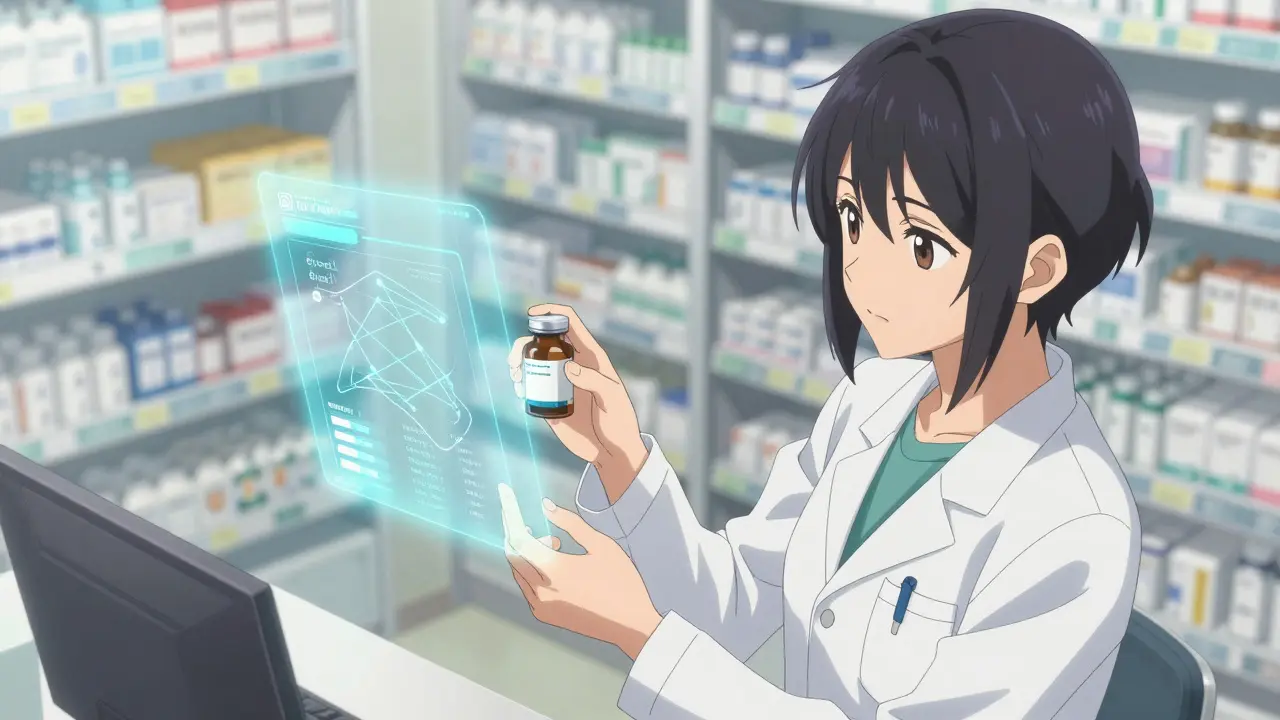
Imagine a pharmacy technician scanning a bottle of medication, and instead of a simple inventory check, the system flags it as a fake. This isn't science fiction; it's the goal of the DSCSA track-and-trace is a federal system designed to secure the US pharmaceutical supply chain by tracking prescription drugs at the package level. For years, the US relied on a messy patchwork of state laws and paper trails, leaving the door open for counterfeit, stolen, or contaminated drugs to slip into the system. The Drug Supply Chain Security Act changed that by moving the entire industry toward a digital, interoperable shield.
The Core Goal: Stopping the Fake Drug Trade
Counterfeit drugs are a massive threat to patient safety. When a medication is fake, it might contain the wrong active ingredient, no active ingredient at all, or even toxic fillers. To combat this, the FDA (Food and Drug Administration) implemented the DSCSA to ensure that every single single-unit package has a digital identity. By requiring DSCSA track-and-trace, the government essentially creates a "digital passport" for every bottle and blister pack.
This system doesn't just stop fakes; it targets drug diversion-where legitimate drugs are stolen or rerouted to unauthorized markets. According to a 2023 McKesson analysis, these improved visibility measures have already helped reduce drug diversion by roughly 40%. When we can see exactly where a drug is in real-time, it becomes much harder for a criminal to inject a counterfeit batch into the legitimate stream without being noticed.
How the Tech Works: Serialization and Data
The magic happens through a process called serialization. Instead of just having a lot number for a thousand bottles, every single bottle gets its own unique ID. Under GS1 standards, these identifiers use 20-character alphanumeric serial numbers. Each package carries a unique product identifier that includes the National Drug Code (NDC), the lot number, the expiration date, and that specific serial number.
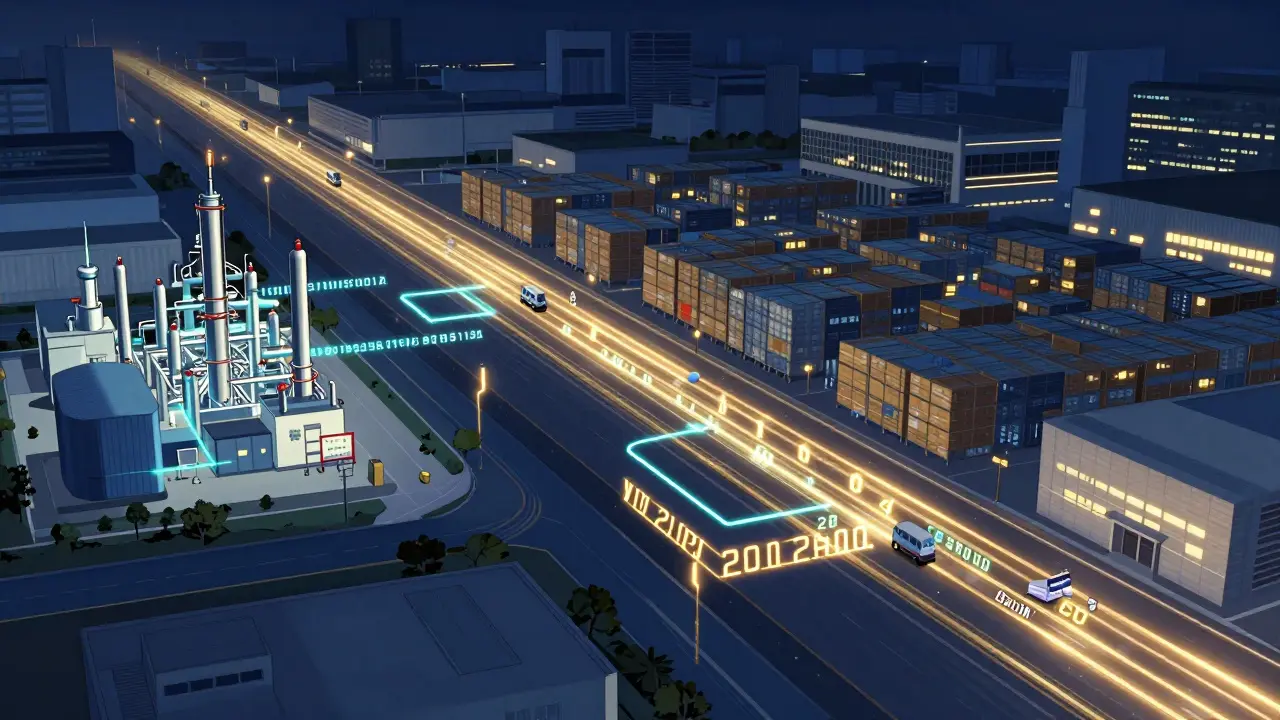
But a barcode is useless if the companies can't talk to each other. That's where EPCIS (Electronic Product Code Information Services) comes in. This is the "language" that allows a manufacturer in New Jersey to send data to a wholesaler in Ohio and finally to a pharmacy in California. To keep things legal, every transaction must include three specific pieces of data:
- Transaction Information (TI): The specific details about the product.
- Transaction History (TH): A record of where the drug has been.
- Transaction Statement (TS): A legal certification that the drug is legitimate.
| Feature | DSCSA (USA) | EU FMD (Europe) |
|---|---|---|
| Data Approach | Interoperable data exchange between partners | Centralized repository system |
| Tracking Level | Unit-level (package) traceability | Unit-level with anti-tamper devices |
| Implementation | Phased over 10+ years (to 2024) | Deadline-driven (implemented by 2019) |
The Hard Part: Implementation Hurdles
If this sounds great on paper, the reality on the ground has been a bit more chaotic. Moving from paper pedigrees to fully electronic systems is expensive. Medium-sized pharmacies have seen costs ranging from $100,000 to $500,000 just for the necessary tech upgrades. For a small independent pharmacy, an average spend of $185,000 is a staggering hit to the budget.
Beyond the money, there's the "data mismatch" problem. Imagine a manufacturer sends a serial number as "A123-B" but the wholesaler's system reads it as "a123b". These tiny discrepancies cause massive bottlenecks. Pharmacists on forums like r/pharmacy have complained about 2-3 day delays in product verification because the electronic "handshake" between different vendors failed. This is why the FDA provided a stabilization period through November 2024 to let companies iron out these bugs.
Who is Responsible? Trading Partner Roles
The DSCSA isn't just for the FDA; it's a team effort involving "trading partners." Each player has a specific job to keep the chain secure:
- Manufacturers: They start the process by applying the unique serial numbers and uploading the initial data to the network.
- Wholesalers: They act as the data bridge, ensuring that the transaction history moves along with the physical drug. Companies like McKesson have processed over 1.2 billion transactions with nearly 100% accuracy.
- Repackagers: If a drug is repackaged, they must maintain the link to the original serial number to prevent the chain from breaking.
- Dispensers (Pharmacies): The last line of defense. They must be able to verify the serial number of a "suspect product" within 24 hours.
Identifying "Suspect" and "Illegitimate" Products
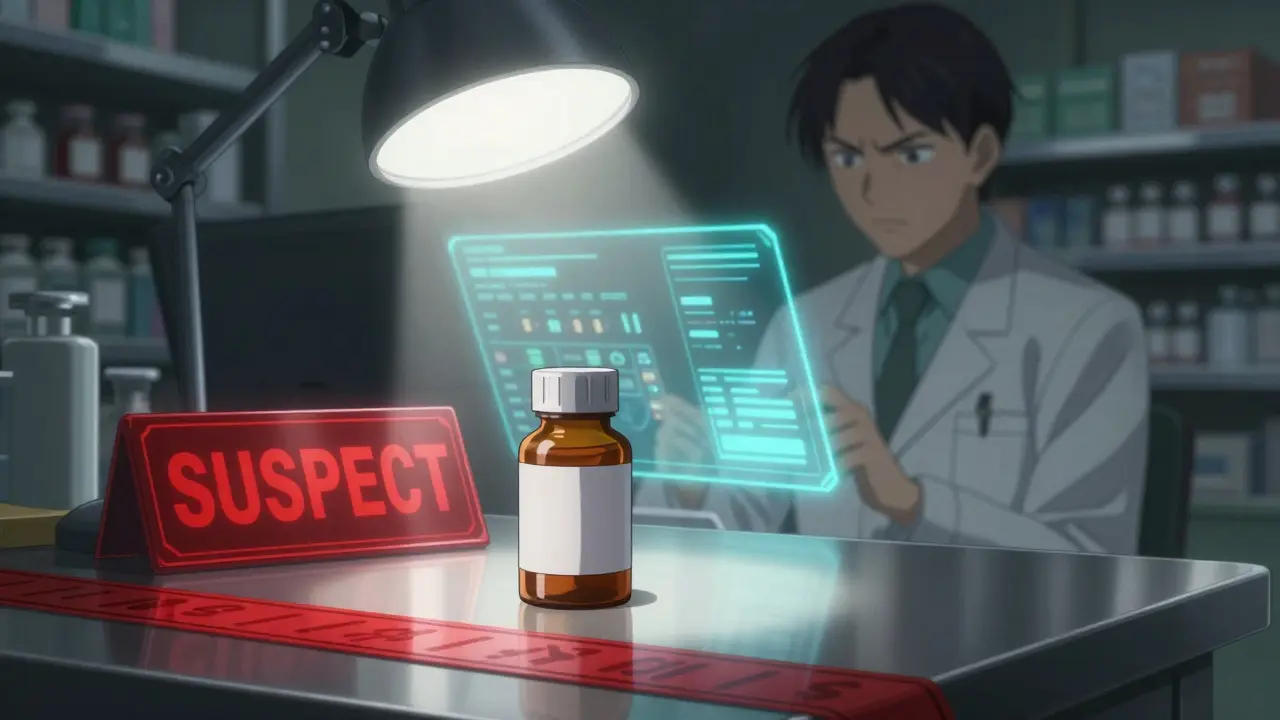
What actually makes a drug "suspect"? According to FDA guidance, a product becomes suspect if the packaging looks off, the serial number doesn't match the database, or the transaction documents are missing. If a pharmacy flags a bottle as suspect, they can't just toss it; they have to launch a formal investigation. This involves checking the serial number against the manufacturer's database and potentially performing forensic testing.
If the investigation confirms the drug is "illegitimate"-meaning it's counterfeit or diverted-it must be quarantined and reported to the FDA immediately. This strict protocol is what keeps the system honest. By automating this, CVS Health reported a 75% drop in the time it takes to investigate suspect products, proving that while the setup is painful, the payoff is efficiency.
Looking Ahead: The Future of Drug Safety
Now that the November 2024 deadline for full electronic interoperability has passed, the industry is shifting from "how do we survive this" to "how do we use this." We're seeing a huge surge in specialized software. Market leaders like TraceLink, SAP, and Oracle are dominating the space, providing the cloud infrastructure needed to handle billions of data points.
There is also talk about expanding these rules. FDA Commissioner Dr. Robert Califf has mentioned the possibility of extending track-and-trace to high-risk over-the-counter (OTC) medications. While that would add more complexity, the potential reward is a nearly 90% reduction in counterfeit incidents by 2027. For the average person, this means the medicine you pick up from the pharmacy is exactly what the doctor ordered, without any dangerous surprises.
What is the main purpose of the DSCSA?
The primary goal of the Drug Supply Chain Security Act is to protect patients by preventing counterfeit, stolen, and contaminated prescription drugs from entering the US supply chain through a standardized, electronic system of tracking and verification.
How does serialization work in the pharmaceutical chain?
Serialization involves assigning a unique, machine-readable identifier to each individual package. This identifier typically includes the National Drug Code (NDC), serial number, lot number, and expiration date, allowing each unit to be traced from the factory to the patient.
What happens if a pharmacy finds a "suspect" drug?
The pharmacy must quarantine the product and conduct an investigation. This includes verifying the serial number with the manufacturer and reporting the finding to the FDA if the product is determined to be illegitimate.
Why is EPCIS important for track-and-trace?
EPCIS (Electronic Product Code Information Services) provides the global standard for how data about a product's movement is shared. Without a common language like EPCIS, different software systems used by manufacturers and pharmacies wouldn't be able to communicate, creating data silos.
Who pays for these system upgrades?
The costs are borne by the trading partners. Large chains like Walgreens have spent millions on capital expenditures, while smaller independent pharmacies often face significant financial burdens, sometimes exceeding $180,000 for compliance.