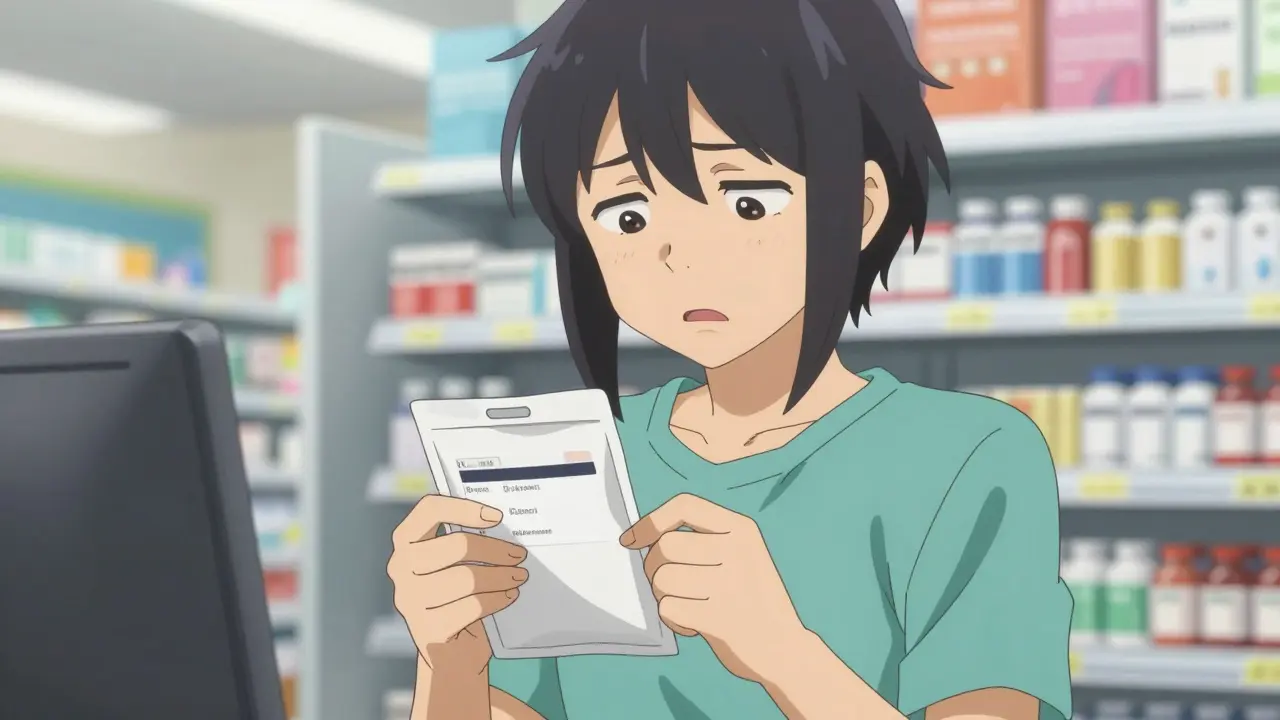
Ever left a pharmacy with a prescription bag and felt totally lost looking at the labels? You aren't alone. Many of us walk away with a set of instructions that look like they were written for a PhD in pharmacology rather than a human being. The problem is that while you have a right to understand your treatment, there isn't a federal law requiring pharmacies to give you a simple, standardized guide. This gap in the system is dangerous; in fact, unclear instructions are linked to about 63% of all medication errors. If you're tired of guessing when to take your pills or what "PRN" actually means, it's time to stop hoping for clarity and start requesting it.
Know Your Rights Before You Speak Up
Before you head to the pharmacy counter, you need to know that you aren't just asking for a favor-you're exercising your rights. The American Medical Association is a professional organization that sets ethical standards for physicians, including the right for patients to receive information they can discuss and understand. Their Code of Medical Ethics explicitly states that you have the right to ask questions when you don't understand a treatment and to have those questions answered.
Depending on where you live or who your provider is, you might have even more specific protections. For instance, AmerisourceBergen provides a framework where patients have the right to receive education and training in a language they actually understand. Similarly, if you're dealing with a specialized clinic, like Tennessee Oncology, their Patient Bill of Rights guarantees information in a format that is easily understood. When you know these standards exist, you can move from a passive request to an assertive one.
The Proven Strategy for Requesting Clear Instructions
Asking "Can you explain this a bit more?" often gets you a quick verbal answer that you'll forget by the time you get to the car. To get written medication instructions that actually work, you need a specific approach. Research from the University of Illinois suggests a five-step protocol that significantly boosts your success rate.
- Ask for the Pharmacist: Don't just settle for the technician at the window. While technicians are great, they often have to escalate detailed education requests to the licensed pharmacist due to internal policies.
- Use "Right-Based" Language: Instead of saying "I'm confused," try saying, "I'm exercising my right to receive medication education in a language and format I understand." It signals that you know your rights, which often prompts a more thorough response.
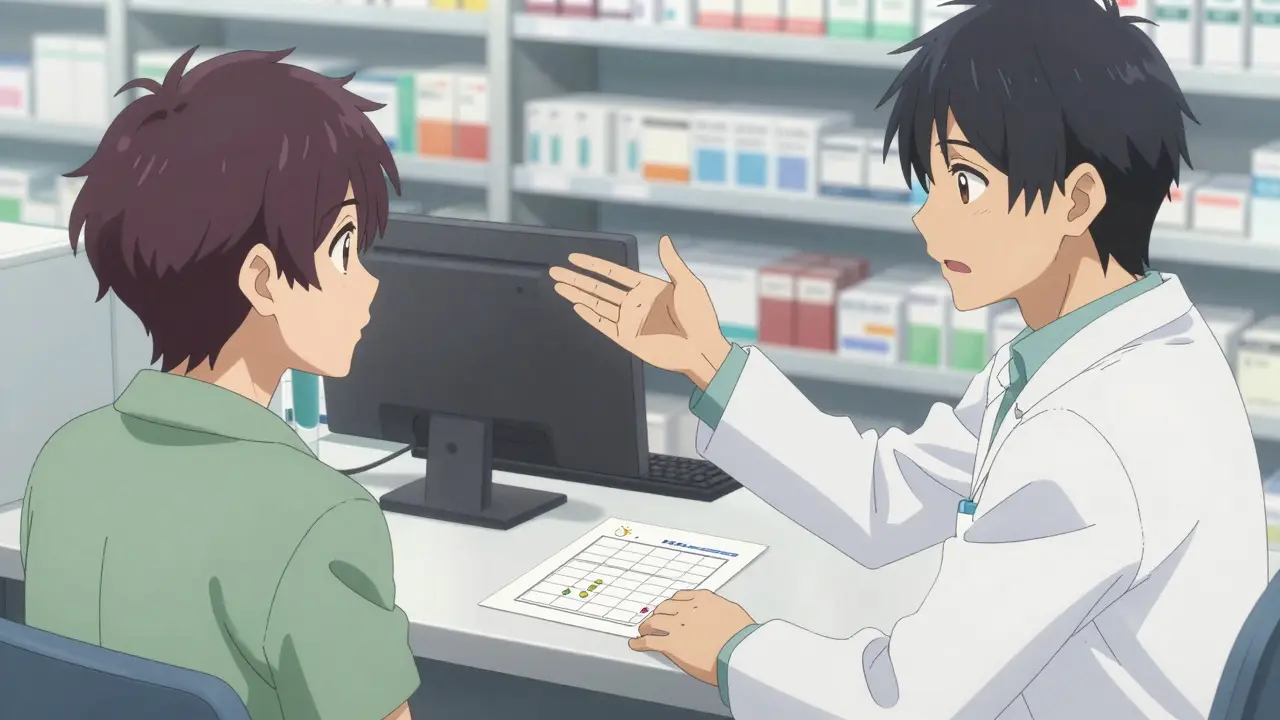
- Request a Visual Format: If you have a complex schedule, ask for a visual aid or a pictogram. Studies show that visual schedules can improve how well people stick to their meds by as much as 42%.
- The "Read-Back" Method: Once they give you the instructions, explain them back to the pharmacist. Say, "So, I take one pill at 8 AM with food and another at 8 PM, right?" This simple step can reduce errors by 63%.
- Mention Your Records: Let them know you are documenting this interaction for your personal medical records. Pharmacies are more likely to provide written documentation when they know it's being tracked.
Comparing the Current State of Pharmacy Labels
It's frustrating that the quality of your instructions often depends on which store you visit. Some pharmacies use a standardized approach, while others just print a generic label. This inconsistency is a major reason why medication-related hospitalizations cost the U.S. healthcare system billions every year.
| Pharmacy Type | Standardization Level | Common Issues | Typical Format |
|---|---|---|---|
| Independent Pharmacy | Variable | Lack of standardized templates | Handwritten or basic labels |
| Large Chain (CVS/Walgreens) | Moderate | High reading level (too complex) | Standard one-page guides |
| Hospital Outpatient | High | Can be overly clinical | Health-literacy templates |
| International (Canada/UK) | Very High | Less customization | Mandatory plain-language leaflets |
Overcoming Common Barriers
You might run into a pharmacist who seems too busy or just hands you a long, jargon-filled pamphlet. If this happens, don't give up. A common frustration reported by patients is receiving a multi-page document full of medical terms when they only asked for a simple summary. The key here is to be specific. Don't ask for "more information"; ask for a "one-page summary in plain English."
If English isn't your first language, you have extra leverage. Under Title VI of the Civil Rights Act of 1964, you are entitled to language assistance. If you need instructions in another language, use the phrase: "I need medication instructions in [Your Language] per federal law." This usually triggers the pharmacy to use their translation services or provide a translated guide immediately.
New Tools and the Future of Med Instructions
The good news is that the industry is slowly changing. We're seeing a move toward Health Literacy standards, which means making health information easy for everyone to read regardless of their education level. Some pharmacies are now using digital platforms like Meds 2.0 to create personalized guides that avoid jargon entirely.
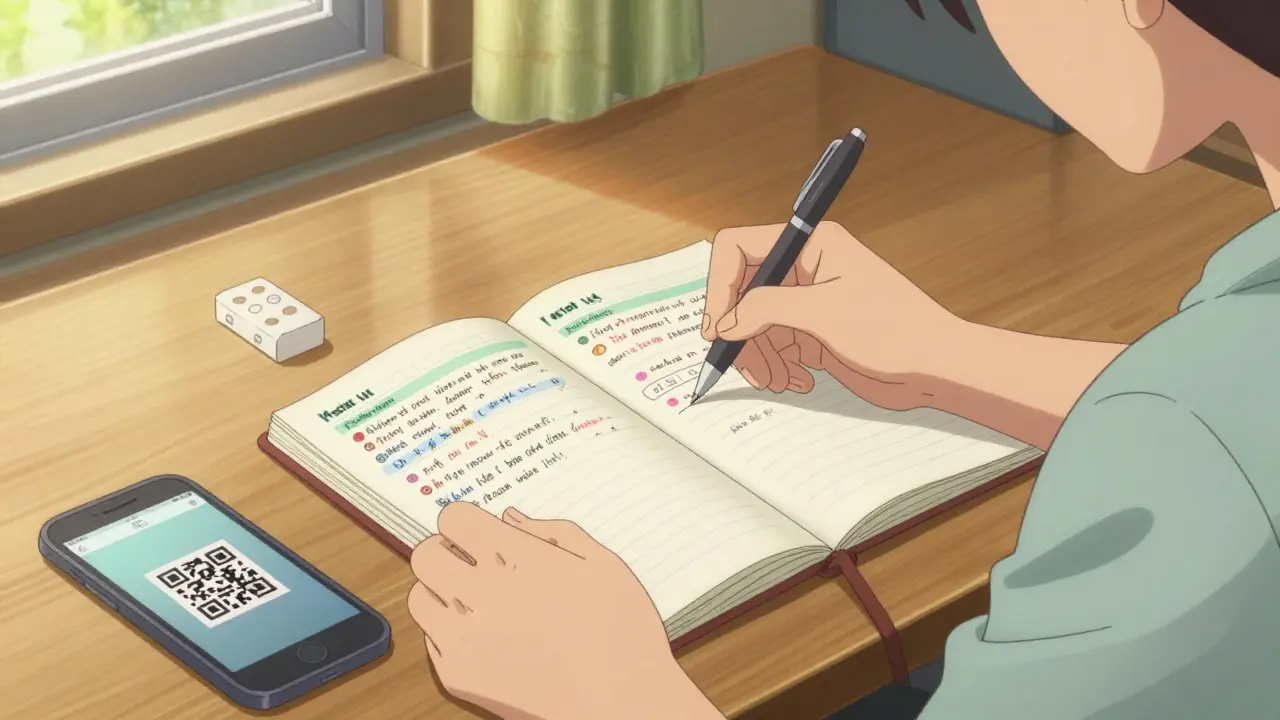
Keep an eye out for new tech at your local pharmacy. For example, some chains are introducing QR codes on prescriptions. Scanning these can lead you to video instructions in multiple languages, which is a game-changer for people who struggle with reading long texts. There is also a bipartisan effort in Congress called the Patients' Right to Know Their Medication Act (H.R. 1173). If passed, this would mandate that every prescription comes with a professionally printed, easy-to-understand one-page guide.
Pro Tips for Long-Term Success
To make sure you stay safe, don't wait until you're at home and confused to think about this. The best time to request these instructions is during the initial setup of a new prescription. Pharmacists generally have more time for education during the first dispensing than they do during a quick refill.
If you have a complex regimen with multiple medications, consider creating your own "Master List." Take the written instructions the pharmacist gave you and translate them into your own words. If the pharmacist says "Take once daily in the morning," write "8:00 AM - Blue Pill - With Coffee." Combining the professional's written guide with your own personal shorthand creates a double layer of safety.
What should I do if the pharmacist refuses to provide simple written instructions?
If you face resistance, politely remind them that you are exercising your right to receive healthcare information in an understandable format, as supported by the AMA Code of Medical Ethics. If that doesn't work, ask to speak with the pharmacy manager or a patient advocate at the facility. You can also mention that you are documenting the request for your medical records, which often encourages staff to be more compliant.
Can I get medication instructions in a language other than English?
Yes. Under Title VI of the Civil Rights Act of 1964, pharmacies that receive federal funding must provide meaningful access to people with limited English proficiency. Explicitly state that you need instructions in your preferred language "per federal law" to ensure the request is handled correctly.
Why are visual schedules better than written lists?
Visual schedules, which use icons or pictures to represent timing and dosage, reduce the cognitive load on the patient. This is especially helpful for those with low health literacy or complex medication schedules, improving adherence rates by up to 42% compared to text-only instructions.
Is there a law that mandates plain-language instructions in the U.S.?
Currently, there is no single federal mandate requiring standardized, plain-language printed instructions for all prescriptions. However, legislation like the Patients' Right to Know Their Medication Act (H.R. 1173) has been proposed to fill this gap. Some states, such as California, have their own pharmacy practice acts that require instructions to be understandable to the patient.
What is the "Read-Back" method?
The read-back method is a safety technique where the patient repeats the instructions back to the healthcare provider in their own words. This allows the pharmacist to immediately correct any misunderstandings and confirms that the patient has accurately processed the information, which has been shown to reduce medication errors by 63%.