
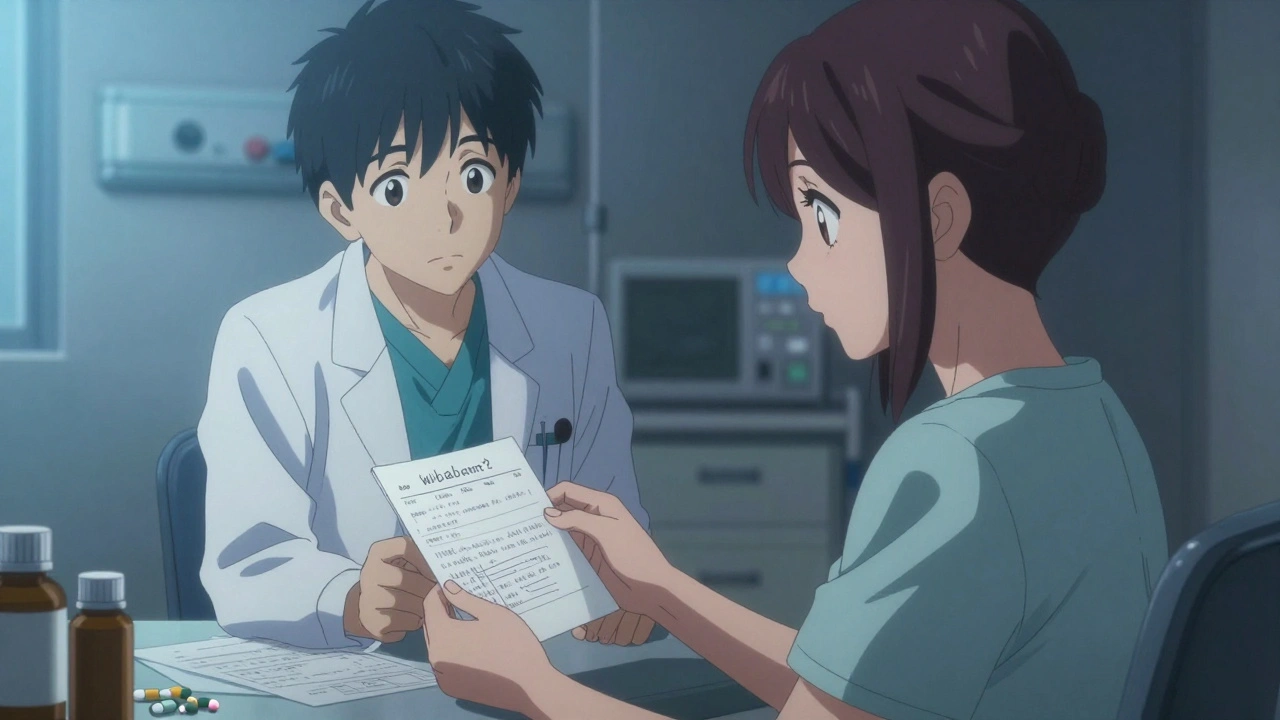
When you’re scheduled for surgery, the last thing you want is a reaction to a drug you didn’t even know you were allergic to. But every year, thousands of patients experience preventable complications because their past drug reactions weren’t clearly communicated. It’s not about being nervous or overcautious-it’s about survival. A reaction to a muscle relaxant, antibiotic, or even a common painkiller during anesthesia can turn a routine procedure into a life-threatening emergency. The good news? You can prevent this. And it starts with how you talk to your medical team.
Know Exactly What Happened to You
Many people say, "I’m allergic to penicillin," or "I had a bad reaction to morphine." But that’s not enough. You need to know what actually happened. Was it a rash? Swelling? Trouble breathing? Vomiting? A rapid heartbeat? These details matter.True allergies involve your immune system and can cause anaphylaxis-a sudden drop in blood pressure, swelling of the airway, or cardiac arrest. But many side effects aren’t allergies at all. Nausea from codeine? That’s a common side effect, not an allergy. Dizziness from beta-blockers? That’s often just how your body reacts, not an immune response.
Write down:
- The exact drug name (brand or generic)
- When it happened (how long ago)
- What symptoms you had (be specific)
- How it was treated (epinephrine, antihistamines, hospitalization?)
- Whether you’ve had the same reaction since
If you can’t remember the drug name, bring your pill bottles or a list of everything you’ve taken in the last year. Even over-the-counter meds, supplements, or herbal teas can trigger reactions during surgery. Don’t assume they’re harmless.
Don’t Wait Until the Day of Surgery
Too many patients wait until they’re in the pre-op holding area to mention a reaction. That’s too late. By then, the anesthesiologist has to make split-second decisions. You need to give them time to plan.Most hospitals require a full medication review at least 72 hours before surgery. That’s your window. If you’re seeing your surgeon first, tell them then. If you’re meeting with a pre-op nurse or pharmacist, be ready. Don’t let them rush you through a form.
Some patients avoid bringing it up because they’re embarrassed-maybe they used recreational drugs, or they took something without a prescription. But here’s the truth: your medical team has heard it all. Withholding information doesn’t protect you-it puts you at risk. Framing it as, "I want to make sure I’m safe," opens the door to honesty.
Get It in Writing
Verbal stories get lost. Paper trails don’t. Ask for an allergy card or a printed summary of your reaction history. Many allergists and pharmacies offer these. If yours doesn’t, make your own.Here’s a simple template you can use:
- Drug: Rocuronium
- Reaction: Severe swelling of face and throat, trouble breathing
- Date: March 2019
- Treatment: Emergency epinephrine, ICU admission
- Follow-up: Allergist confirmed IgE-mediated allergy
Carry this card with you. Give copies to your surgeon, anesthesiologist, and primary care doctor. Put one in your wallet. Some hospitals now let you upload this info into their patient portal-use it.
Understand What Happens in the Operating Room
Anesthesiologists don’t just guess what drugs to give. They have a checklist. If you’ve had a reaction to a muscle relaxant like succinylcholine or rocuronium, they’ll avoid all drugs in that class. If you had a reaction to a narcotic like morphine or fentanyl, they’ll switch to alternatives like hydromorphone or remifentanil.Some drugs are cross-reactive. If you’re allergic to one penicillin, you’re likely allergic to others. If you reacted to latex (yes, gloves can trigger this), they’ll use latex-free equipment. Even if you think your reaction was "mild," they’ll treat it as serious.
Pharmacists are now part of the pre-op team in most major hospitals. They review your entire medication list 24 hours before surgery. They flag interactions, check for allergies, and make sure nothing risky gets ordered. You’re not just a patient-you’re part of a safety system.
What If You’re Not Sure?
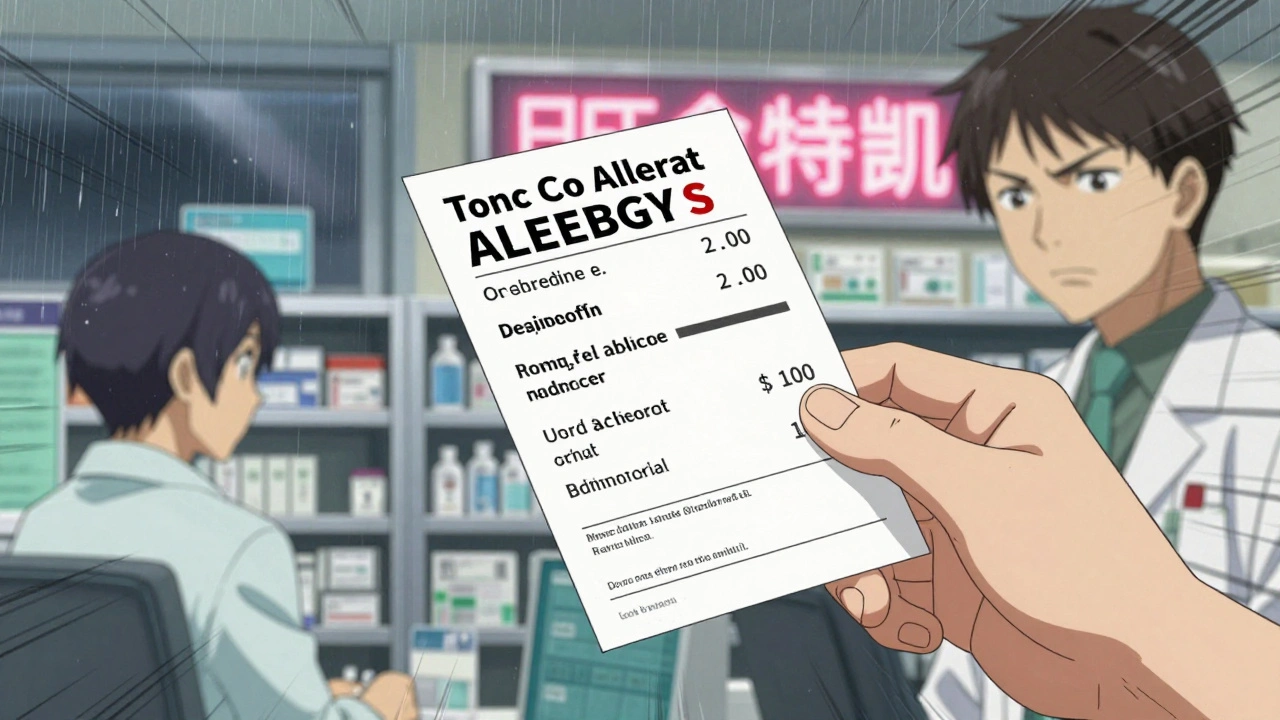
You’re not alone. About 32% of patients can’t remember the exact drug they reacted to. That’s why you should bring your pharmacy records or ask your doctor for a list of your past prescriptions.If you’re still unsure, don’t guess. Say: "I had a bad reaction to something during surgery, but I don’t know what it was." That’s enough to trigger a full review. Your team will look at your medical records, check for any documented reactions, and may even refer you to an allergist before surgery.
Some hospitals now offer pre-op allergy testing for high-risk patients. If you’ve had a severe reaction in the past, ask: "Can I be tested before my next surgery?" Blood tests or skin prick tests can confirm whether you’re truly allergic-and what drugs are safe for you.
What About Supplements and Herbal Remedies?
People often forget these. But ginkgo biloba, garlic, fish oil, and St. John’s wort can interfere with anesthesia and blood clotting. Some increase bleeding risk. Others can cause dangerous spikes in blood pressure during surgery.Stop all supplements at least 7 days before surgery unless your doctor says otherwise. Even if you think they’re "natural," they’re not harmless. Tell your team exactly what you take-dose, frequency, and why.
What If You’re Turned Down for Surgery?
Sometimes, if your reaction history is unclear or high-risk, your surgery may be postponed. That’s not a rejection-it’s protection. If you had a severe anaphylactic reaction and no allergist has evaluated you, your team may delay the procedure to get you tested.Don’t see this as a setback. Use the time to:
- See an allergist (they’ll do tests to confirm what you’re allergic to)
- Get a formal allergy diagnosis
- Receive a written report you can share with any future provider
According to guidelines from the Spanish Journal of Anesthesia and Critical Care, patients should be referred to an allergist within 4-6 weeks after a reaction. That’s not optional-it’s standard care.

What to Do After Surgery
Even after your surgery, your work isn’t done. If you had a reaction during the procedure, demand a written report. Ask: "Was this documented in my chart? Can I get a copy?" Then, update your personal records.Also, make sure your primary care doctor, pharmacist, and any future surgeons know about it. Many patients assume once the surgery is over, the risk is gone. It’s not. That reaction stays with you for life. If you ever need another surgery, they need to know.
Real Stories, Real Consequences
One patient in a Mayo Clinic case study had a documented allergy to succinylcholine from 10 years earlier. When she came in for knee surgery, the team saw it in her chart, avoided the drug, and gave her a safe alternative. No complications.Another patient, reported to the Anesthesia Patient Safety Foundation, had a known vancomycin allergy. But the paperwork was lost between clinics. The anesthesiologist didn’t know. Vancomycin was given. She went into anaphylactic shock. She survived, but spent weeks in the ICU.
The difference? Documentation. Communication. Clarity.
Final Checklist Before Your Surgery
Use this before your pre-op appointment:- ✅ List every drug you’ve ever had a reaction to (even if it was years ago)
- ✅ Note symptoms, timing, and treatment
- ✅ Bring pill bottles or pharmacy records
- ✅ Include supplements, vitamins, and herbal products
- ✅ Ask if you need an allergist referral
- ✅ Get a printed allergy card or digital copy
- ✅ Confirm your information is in the hospital’s system
It’s not about being difficult. It’s about being prepared. You’re not just handing over a form-you’re saving your own life.
What if I don’t remember the name of the drug I reacted to?
It’s common to forget drug names. Bring your pill bottles, pharmacy records, or a list of all medications you’ve taken in the last year. Even if you only remember the symptoms-like swelling, trouble breathing, or a rash-tell your team. They can cross-reference your medical history and may find the answer in past records. Don’t guess-say, "I had a bad reaction, but I’m not sure what caused it." That’s enough to trigger a full review.
Is a rash always an allergy?
No. A rash can be a side effect, not an allergic reaction. True allergies involve the immune system and often include swelling, difficulty breathing, low blood pressure, or anaphylaxis. Nausea, dizziness, or a mild rash might just be your body’s way of responding to the drug-not an allergy. But if you’re unsure, treat it as serious. Your medical team will help you distinguish between the two.
Can I be tested for drug allergies before surgery?
Yes, especially if you’ve had a severe reaction. Allergists can perform skin tests or blood tests to confirm if you’re truly allergic to a drug like penicillin, muscle relaxants, or antibiotics. These tests aren’t always available right before surgery, so if you know you’ve had a reaction, ask for a referral early. Many hospitals require this for high-risk patients before proceeding with elective surgery.
Why do I need to stop supplements before surgery?
Many supplements-like garlic, ginkgo, fish oil, and St. John’s wort-can interfere with anesthesia, increase bleeding risk, or raise blood pressure during surgery. Even though they’re "natural," they’re not safe for everyone. Most hospitals recommend stopping all supplements at least 7 days before surgery. Always tell your team what you take, even if you think it’s harmless.
What if my doctor says my reaction wasn’t serious?
You’re the expert on your own body. If you felt like you were dying, or you needed emergency treatment, that’s serious-even if your doctor downplays it. Don’t let someone else decide how dangerous your reaction was. Document it clearly, and insist it’s included in your surgical plan. Your safety depends on accurate information, not opinions.
Will my allergy be documented in my medical records forever?
It should be-but it’s not always automatic. After your reaction, ask for a written report and confirm it’s added to your electronic health record. Follow up with your primary care doctor to make sure it’s there. If you switch hospitals or providers, bring your own copy. Many patients lose this information when records don’t transfer properly. Don’t assume it’s saved-protect it yourself.


Reviews
Been through two surgeries in India. Never wrote anything down. Just told nurses. Both times they missed my reaction to ketamine. Now I carry a small card in my wallet. Simple. No drama. Just facts. Save yourself the hassle.
Oh wow. So if I screamed like a banshee when they gave me morphine in 2013 because I was scared of needles, that’s now an ‘allergy’? 😍 Let me just write ‘I cried during anesthesia’ on my card and call it a day. Next thing you know, we’ll need a waiver for crying during pap smears.
I had a reaction to lidocaine and they STILL gave it to me. I woke up screaming. No one listened. My husband had to yell at the nurse. Now I have PTSD from hospitals. 🥲 I carry my card. I print it. I tape it to my forehead. I don’t care if I look crazy. I’d rather look crazy than dead. 😭
You got this. Seriously. Writing it down is the bravest thing you can do before surgery. It’s not annoying-it’s powerful. Your life matters. Don’t downplay your story. Keep that card close. You’re already ahead of 90% of people. 💪
I used to think supplements were harmless ‘natural’ stuff. Then I took turmeric before my gallbladder surgery and bled like a stuck pig. ICU. Three transfusions. Now I don’t touch anything without asking. Even my chamomile tea is on the list now. 😅
It is an epistemological failure of the modern medical-industrial complex to reduce patient agency to a checklist. The phenomenology of drug reaction is not reducible to diagnostic taxonomy. One cannot quantify lived trauma through a standardized form. The act of documentation, while ostensibly pragmatic, is a performative gesture that masks systemic negligence. One must ask: who benefits from this bureaucratic ritual? The patient? Or the institution seeking liability mitigation?
Bro, I used to be the guy who just shrugged and said ‘I think I had a bad reaction once.’ Then I got a rash from a penicillin shot in 2018 and ended up in the ER with my face looking like a balloon. Now I have a digital allergy card on my phone. I send it to every doctor before I even walk in. I even made a QR code that links to my full history. My anesthesiologist cried. Not because he was moved-he said ‘I’ve never seen this before.’ You’re not being annoying. You’re the hero of your own story. 🙌