Diabetic Retinopathy: Causes, Risks, and What You Can Do
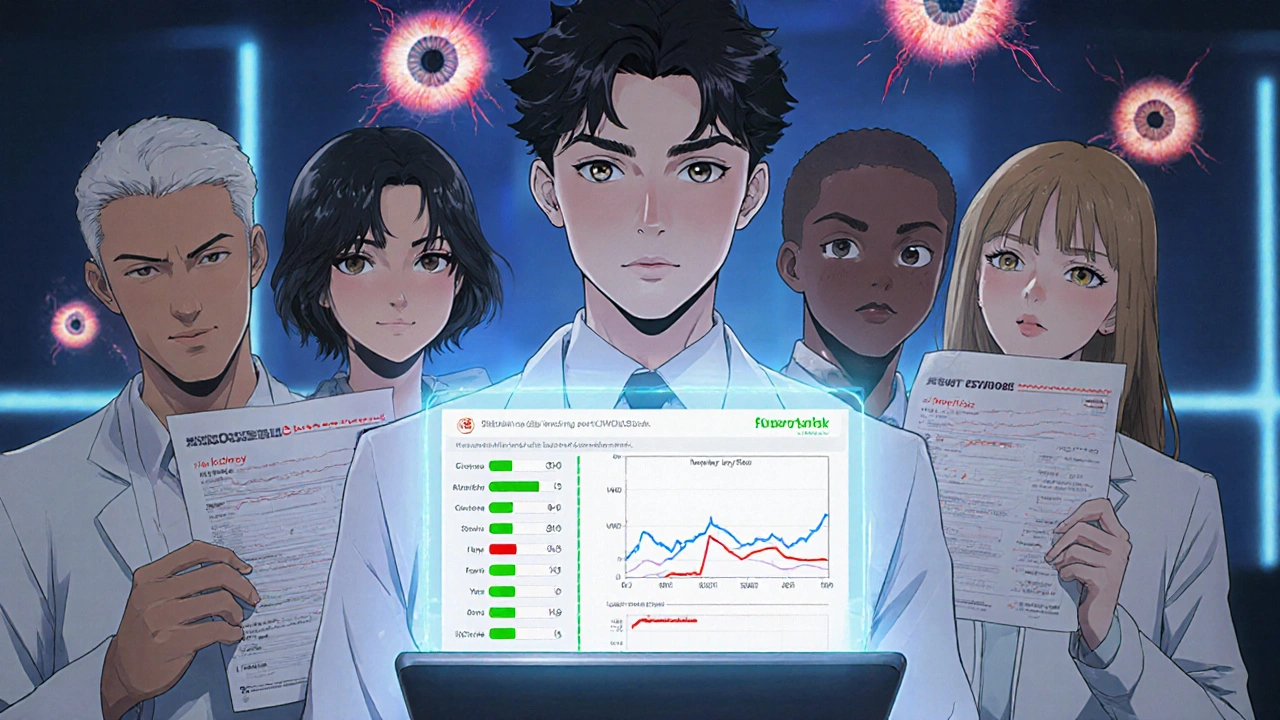
When you have diabetes, your body struggles to manage blood sugar—and that doesn’t just affect your energy or appetite. Over time, diabetic retinopathy, a condition where high blood sugar damages the blood vessels in the retina can quietly steal your vision. It’s not a sudden event. It’s a slow leak. The tiny vessels in your eyes, meant to feed the retina with oxygen and nutrients, start to weaken, swell, and sometimes bleed. If left unchecked, new abnormal vessels grow, scar tissue forms, and your retina can detach. This isn’t hypothetical. Nearly one in three people with diabetes will develop some form of diabetic retinopathy, and many don’t notice symptoms until it’s advanced.
What makes this worse is that blood sugar, the main driver behind this damage isn’t the only player. High blood pressure and high cholesterol make things worse, turning small leaks into major floods. Even if your A1C is "okay," if it’s been high for years, your eyes have been paying the price. And here’s the thing: retinal damage, the actual physical harm to the light-sensitive tissue at the back of the eye often happens without pain, redness, or blurry vision at first. That’s why people assume they’re fine—until they aren’t. The good news? Catching it early means you can stop it. Regular eye exams aren’t optional if you have diabetes. They’re your first and best defense.
You won’t find a magic pill to reverse diabetic retinopathy, but you can absolutely slow or halt it. Controlling your blood sugar is step one. Keeping your blood pressure under 130/80 helps. Stopping smoking cuts your risk in half. And if your doctor recommends an injection into the eye or laser treatment, don’t delay. These aren’t last resorts—they’re tools to preserve what you still have. The posts below cover real-world stories and science: how metformin affects long-term eye health, what medications can worsen or help your vision, how supplements might play a role, and why some people with diabetes lose sight even when they "do everything right." You’ll find practical advice on monitoring your eyes, understanding test results, and talking to your doctor without feeling overwhelmed. This isn’t about fear. It’s about control. Your eyes matter. And you have more power than you think.