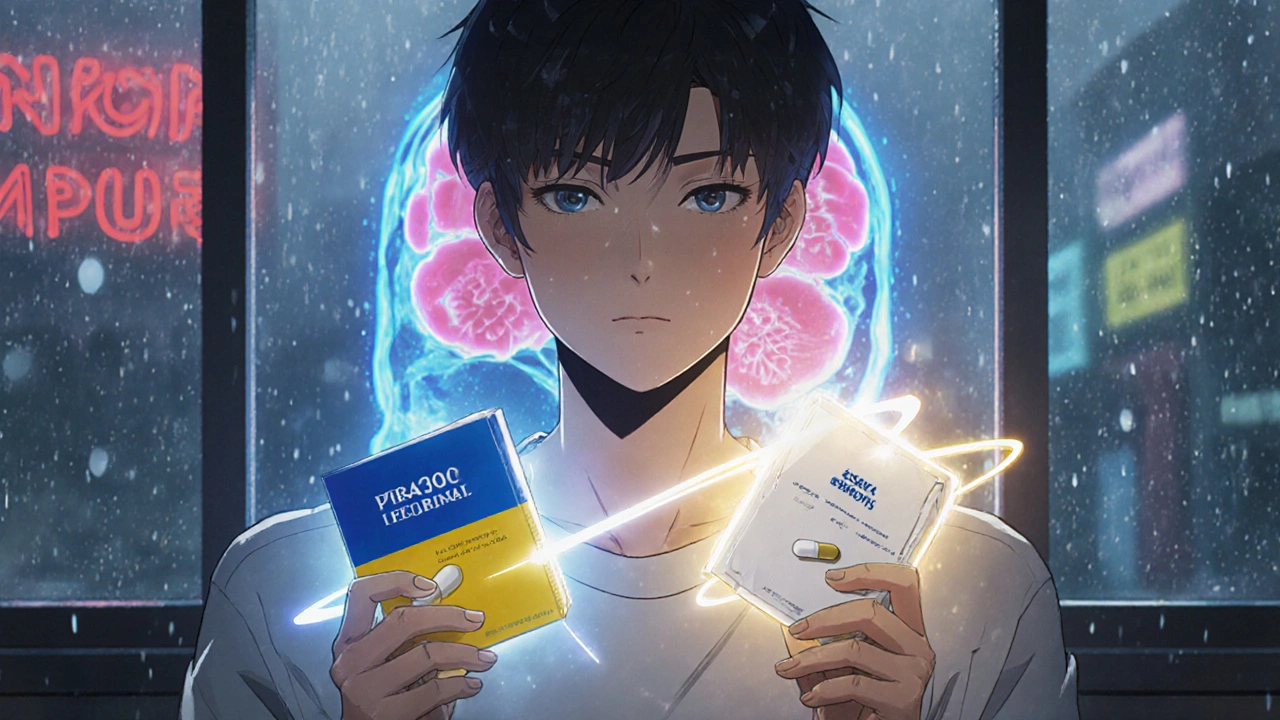
Nocebo Effect: How Beliefs Can Make Medicine Harm You
When you expect a drug to hurt you, it often does—even if it’s just a sugar pill. This is the nocebo effect, the opposite of the placebo effect, where negative expectations trigger real physical symptoms. Also known as negative placebo response, it’s not in your head—it’s in your body. Your brain releases stress chemicals, tightens muscles, and even changes how your organs react—all because you were told something might go wrong. This isn’t theory. Studies show people given fake pills and told they might get headaches, nausea, or dizziness actually report those symptoms at rates matching real drugs. The nocebo effect isn’t weakness. It’s biology.
The placebo effect, the positive response to inert treatments due to belief in their benefit gets all the attention, but the nocebo effect, the harmful counterpart driven by fear and misinformation is just as powerful—and way more common in medicine. Take generic drugs. Many people swear generics don’t work as well as brand names, even though they contain the exact same active ingredients. Why? Because the packaging looks cheaper, the pill is a different color, or someone told them generics are "inferior." That belief triggers real side effects: dizziness, fatigue, stomach upset. The drug didn’t change. Your expectations did.
This isn’t just about pills. It’s about how we talk about medicine. A doctor saying, "This might cause severe nausea," can make nausea more likely than a simple, "Some people feel a bit queasy." Even warning labels on bottles can trigger symptoms they’re meant to prevent. The drug perception, how patients interpret and react to medication based on information and experience matters more than we admit. And when patients believe they’re allergic to penicillin—without ever being tested—they avoid effective antibiotics, use costlier ones, and risk antibiotic resistance. That’s the nocebo effect in action: fear shaping health outcomes.
Understanding this isn’t about blaming patients. It’s about fixing how medicine is communicated. Doctors, pharmacists, and even online health sites need to be smarter about how they frame risks. You don’t need to sugarcoat side effects—but you do need to avoid fearmongering. If you’ve ever felt worse after starting a new drug, ask yourself: Was it the medicine—or what you were told about it?
Below, you’ll find real stories and science-backed insights into how perception shapes treatment. From why generics seem to fail to how false allergy labels cost lives, these posts show the hidden power of expectation—and how to take back control of your health.