Phantom Pain Treatment: What Works and What Doesn't
When someone loses a limb, their brain doesn’t always get the memo. Phantom pain, a painful sensation that feels like it’s coming from a limb that’s no longer there. Also known as phantom limb pain, it’s not imaginary—it’s a real neurological event that affects up to 80% of amputees. This isn’t just a memory of pain. It’s your nervous system misfiring, sending signals that your brain interprets as pain in a missing body part. Many people assume it fades quickly, but for some, it lasts for years—and without the right approach, it can ruin quality of life.
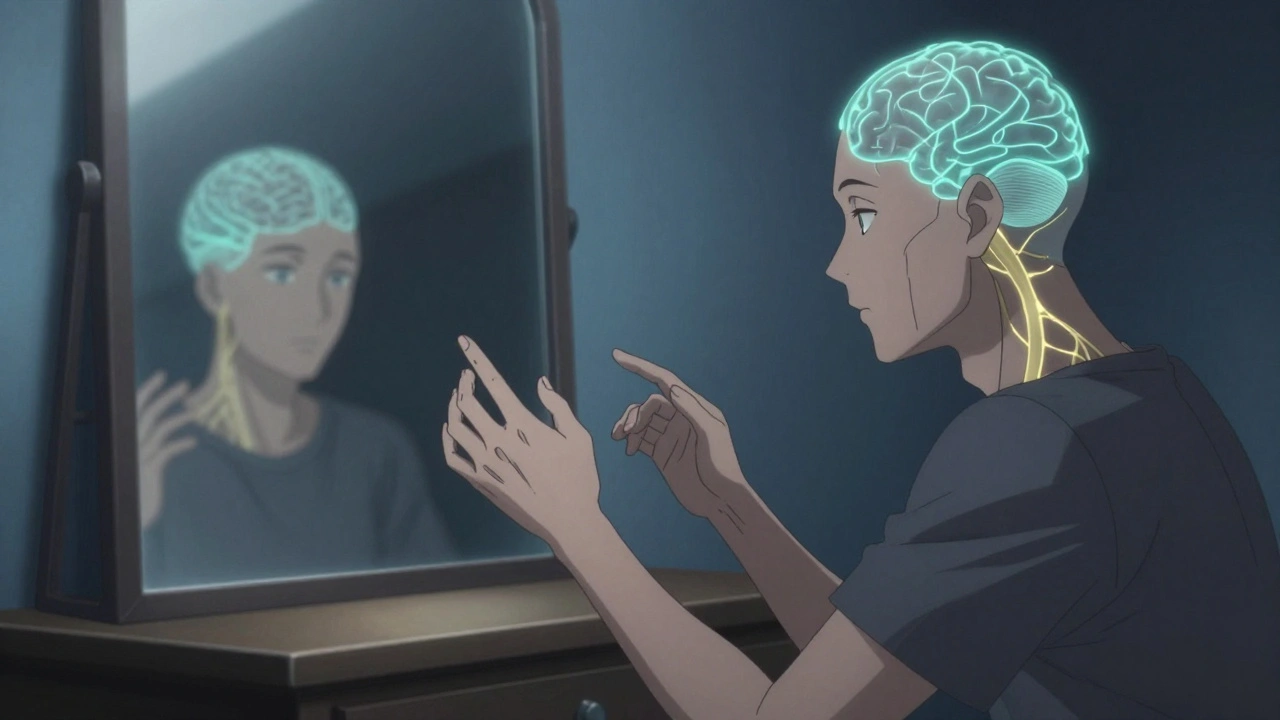
Neuropathic pain, pain caused by damaged or overactive nerves is the root of phantom pain. That’s why regular painkillers like ibuprofen or even opioids often don’t help. Instead, treatments target nerve signaling. Mirror therapy, a simple visual trick using a mirror to trick the brain into thinking the missing limb is moving has been shown in clinical studies to reduce pain intensity in many patients. It’s cheap, safe, and doesn’t require a prescription. Other methods like transcutaneous electrical nerve stimulation (TENS), graded motor imagery, and certain antidepressants or antiseizure drugs (like gabapentin or amitriptyline) are backed by real evidence—not just hope.
What doesn’t work? Pushing through the pain, ignoring it, or assuming it’s all in your head. The brain doesn’t lie about pain. And while some people find relief with acupuncture or hypnosis, those results vary widely. What matters most is matching the treatment to the underlying nerve issue. If you’ve had an amputation and still feel pain where your limb used to be, you’re not weak. You’re dealing with a complex neurological condition that needs a smart, science-backed plan.
The posts below cover real-world strategies people have used—from prescription meds that actually calm overactive nerves, to everyday tools like mirror boxes and TENS units that can be used at home. You’ll also find insights on why some treatments fail, how to talk to your doctor about nerve pain, and what alternatives exist when standard drugs don’t help. No fluff. No myths. Just what’s been tested, what’s been tried, and what actually makes a difference.