FDA Adverse Events: What You Need to Know About Drug Risks and Reporting
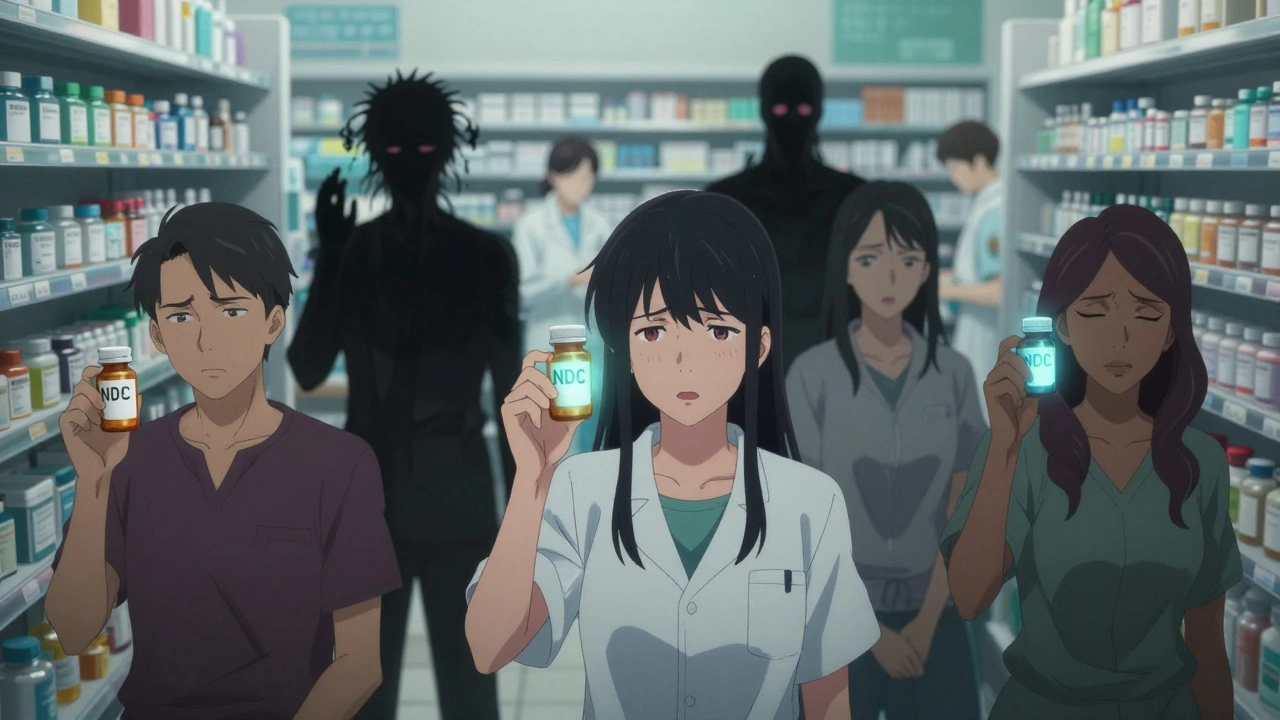
When a drug causes harm after it’s on the market, that’s an FDA adverse event, a reported harmful reaction to a medication that the U.S. Food and Drug Administration tracks to protect public health. Also known as adverse drug reactions, these reports aren’t just paperwork—they’re early warnings that can lead to label changes, warnings, or even drug withdrawals. Every year, hundreds of thousands of these reports come in from doctors, pharmacists, and patients like you. Most are minor—nausea, dizziness, a rash—but some reveal serious, even deadly risks that weren’t caught in clinical trials.
These events aren’t random. They cluster around certain types of drugs. For example, narrow therapeutic index drugs, medications like warfarin, lithium, and digoxin where tiny dosage changes can cause toxicity, are common culprits. A small variation in how your body absorbs the drug—maybe because of food, another medication, or even a different generic version—can push you into danger. That’s why the FDA requires stricter testing for these drugs. Then there’s drug interactions, when two or more medications mix in harmful ways, like grapefruit blocking liver enzymes that break down warfarin or SSRIs. These aren’t theoretical. They show up in adverse event reports every day.
What you report matters. If you or someone you know had a bad reaction to a medication, that story could help someone else avoid the same fate. The FDA doesn’t just rely on pharmaceutical companies to report problems—they need your voice. And it’s not just about allergies. It’s about unexpected drowsiness, heart palpitations after a new prescription, or worsening depression after switching generics. These aren’t "just side effects"—they’re data points that can trigger FDA reviews, safety alerts, or even changes in how a drug is prescribed.
You don’t need to be a doctor to understand these reports. You just need to know what to look for. The posts below break down real cases: how false penicillin labels lead to riskier antibiotics, why some people feel generics don’t work (even when they’re identical), and how poor label translations cause dangerous mistakes. You’ll see how mirror therapy helps phantom limb pain, how alcohol messes with digestive meds, and why flushing certain opioids down the toilet is actually the safest option. These aren’t abstract concepts—they’re lived experiences tied directly to FDA adverse event data.
What you’ll find here isn’t fearmongering. It’s clarity. You’ll learn how to spot red flags, what to ask your pharmacist, and how to respond when a drug safety alert hits your inbox. The goal isn’t to scare you off medication—it’s to help you use it safely, confidently, and with your eyes wide open. The system works best when you’re part of it. Your experience is the missing piece in the puzzle.