Phantom Limb Pain: What It Is, Why It Happens, and How to Manage It
When someone loses a limb, their brain doesn’t always get the memo. Phantom limb pain, a persistent sensation of pain or discomfort in a limb that’s no longer there. Also known as phantom pain, it’s not imaginary—it’s a neurological glitch that affects up to 80% of amputees. Your nerves didn’t just stop firing; they rewired. The brain keeps expecting signals from the missing limb, and when those signals don’t come, it interprets the silence as pain. This isn’t a psychological issue—it’s a physical one, rooted in how your nervous system adapts after trauma.
This kind of pain doesn’t behave like a cut or a sprain. It can feel like burning, cramping, or even tingling needles deep in a foot or hand that’s gone. Some people describe it as their fingers curling into their palm, or their leg being stuck in a tight shoe. It’s not constant, but it can flare up with stress, weather changes, or even when they touch another part of their body. Neuropathic pain, damage or dysfunction in the nervous system causing abnormal pain signals is the root cause, and it’s why typical painkillers often fail. Nerve pain, pain caused by injured or overactive nerves needs different tools—medications that calm misfiring nerves, not just block inflammation.
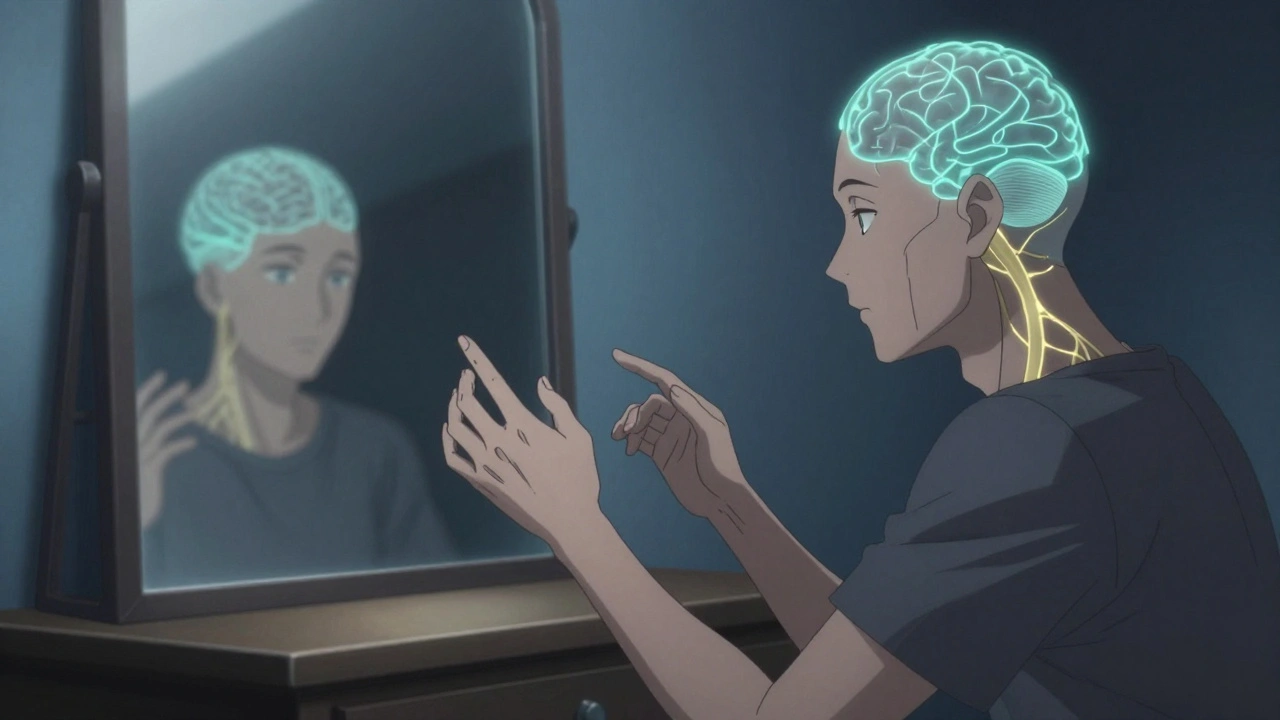
There’s no one-size-fits-all fix, but real people have found relief. Some respond to mirror therapy—using a mirror to trick the brain into seeing the missing limb move. Others benefit from TENS units, acupuncture, or specific antidepressants that target nerve signaling. Even simple things like wearing a compression sleeve or applying heat can interrupt the pain cycle. What works for one person might not work for another, which is why understanding your own triggers matters more than chasing the latest miracle cure.
The posts below aren’t about theory. They’re about real strategies people have used to take back control—from medication adjustments that actually help, to non-drug methods that reduce flare-ups, to how to talk to your doctor when no one seems to believe the pain is real. You’ll find practical advice on what treatments have evidence behind them, what to avoid, and how to spot when something’s working—or when it’s time to try something new. This isn’t about hoping the pain goes away. It’s about learning how to live with it, and sometimes, quieting it down for good.