
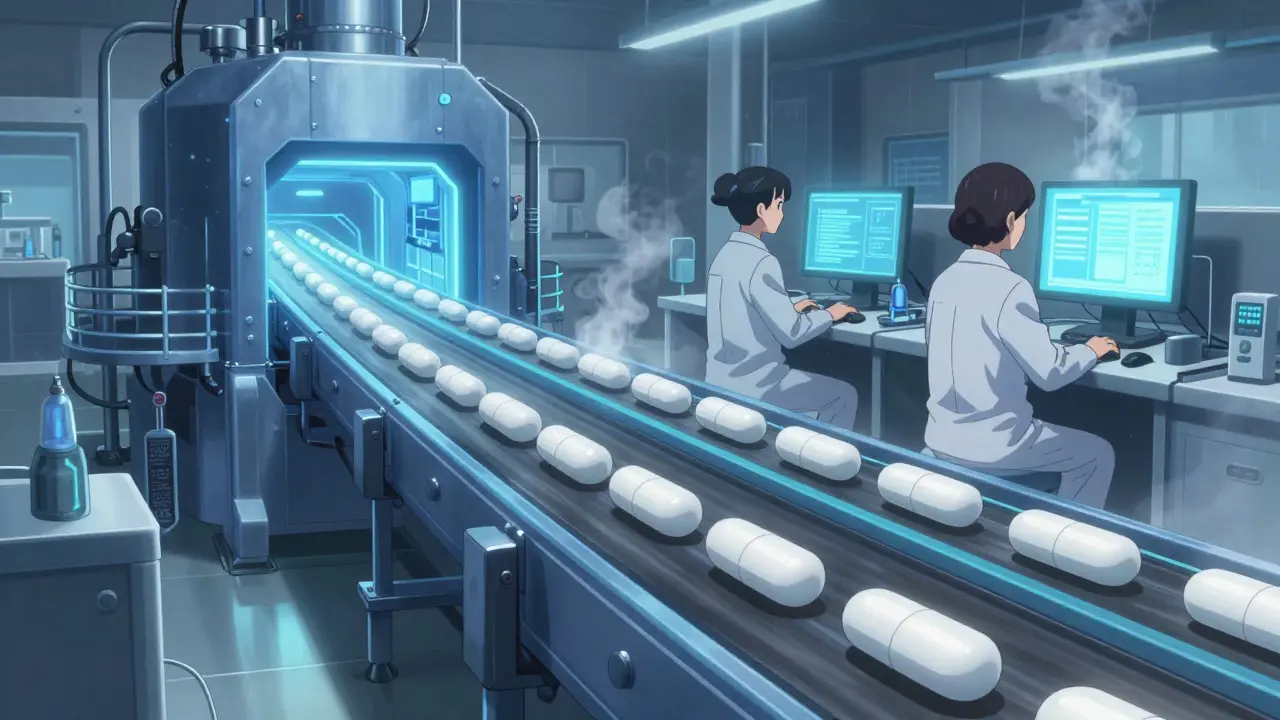
When you pick up a generic pill at the pharmacy and see a plain bottle with no brand name, you assume it’s made by some distant, low-cost manufacturer. But what if that same pill was made in the exact same factory, with the same machines, by the same workers, as the expensive brand-name version you used to buy? That’s the reality of authorized generics.
What Exactly Is an Authorized Generic?
An authorized generic isn’t just another generic drug. It’s the exact same medication as the brand-name version - same active ingredient, same dosage, same manufacturing process, same quality controls. The only difference? The label. Instead of showing Pfizer, AstraZeneca, or Novartis, it might say "Greenstone" or "Az generici" - or nothing at all. It’s sold at generic prices, but it comes straight from the original drug maker.
The FDA defines it clearly: an authorized generic is a drug approved under a brand’s New Drug Application (NDA) that’s simply relabeled and sold under a different name. No new clinical trials. No separate bioequivalence studies. Just a change in packaging and price.
This isn’t a loophole. It’s a legal pathway created by the Hatch-Waxman Act of 1984. That law gave generic companies a way to enter the market after patents expired - but it also let brand companies protect their market share by launching their own generics before the patent even runs out.
Who Makes These Drugs? The Real Players Behind the Labels
There are three main ways authorized generics get made - and it’s not who you think.
First: The brand company makes it themselves. About 52% of authorized generics are produced in the same facility where the brand-name version is made. The same assembly lines. The same quality inspectors. The same batch records. The only thing that changes is the box it comes in. Take Greenstone LLC - a wholly owned subsidiary of Pfizer. Since 1998, Greenstone has been making authorized generics of Pfizer’s top drugs, from Lipitor to Lyrica. But Greenstone doesn’t have its own factory. It uses Pfizer’s plants. When you buy a Greenstone version of a Pfizer drug, you’re holding the exact same product.
Second: A subsidiary makes it. Some companies create separate legal entities to handle their generics. AstraZeneca’s Az generici is one example. It’s not a third-party contractor. It’s AstraZeneca’s own team, operating under a different name to avoid confusing customers. This lets them sell the same drug at a lower price without diluting their brand.
Third: A contract manufacturer makes it - but under strict rules. About 17% of authorized generics are outsourced. But here’s the catch: the brand company must add that third-party site to its original NDA. That means the FDA has to approve the new facility, the same way it approved the original one. The contract manufacturer has to follow the exact same process: same raw materials, same equipment settings, same testing protocols. In 2023, Novartis partnered with a third-party to make the authorized generic of Comtan. The active ingredient came from the same supplier. The tablet compression force was identical. The only difference? The label.
Compare that to traditional generics. Only about 12% of those are made using the same process as the brand-name drug. Most generic makers reverse-engineer the formula. They use different fillers. Different coating methods. Different suppliers. Authorized generics? They’re clones - not copies.
Why Do Brand Companies Do This?
It’s not charity. It’s strategy.
When a patent is about to expire, brand companies face a flood of cheaper generics. Prices can drop 80% overnight. To fight that, they launch their own authorized generic - often before the patent even expires. They undercut the competition before it even starts.
Take Lyrica. When Pfizer’s patent was set to expire in 2019, they didn’t wait. They partnered with Mylan (now Viatris) to launch an authorized generic. By the time other generics hit the market, the price was already low - and Pfizer controlled the supply. The result? They kept a big chunk of the market.
According to IQVIA, authorized generics now make up $4.7 billion in annual U.S. sales. That’s 9.2% of the entire generic drug market - up from 6.1% just five years ago. The biggest winner? Nexium’s authorized generic, which hit $1.2 billion in sales in 2022. AstraZeneca didn’t lose money on it. They just sold more pills, at lower prices, with no competition.
What Does the FDA Say?
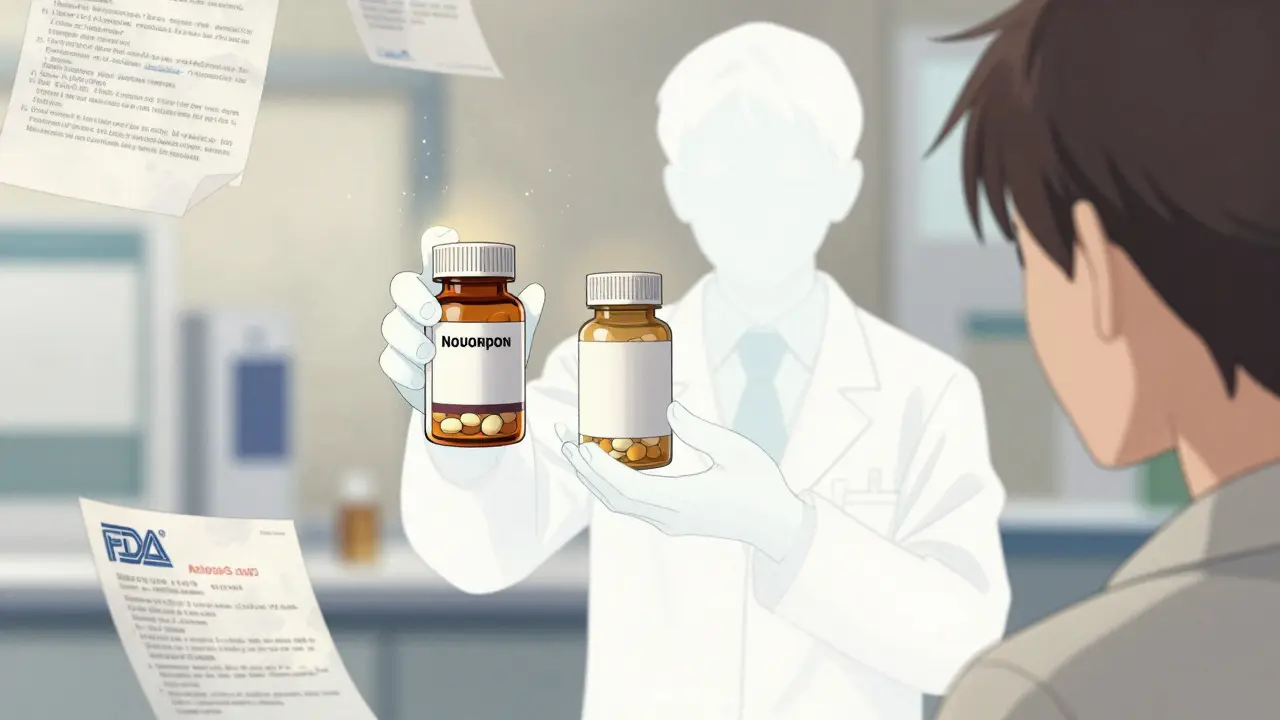
The FDA doesn’t just allow this - it requires it to be done right.
Manufacturers must follow Current Good Manufacturing Practices (cGMP). The FDA’s 2022 inspection data showed authorized generic facilities had a 98.7% compliance rate - higher than traditional generic plants (96.2%). Why? Because they’re the same plants. Same inspectors. Same audits.
Since January 2024, the FDA has required brand companies to disclose whether their authorized generic is made in the same facility as the brand-name drug. This transparency move came after the Government Accountability Office raised concerns about supply chain opacity. Now, you can look up a drug and see: "Made in same facility as brand-name product" - or "Made by third-party under NDA holder oversight."
The FDA also says authorized generics are therapeutically equivalent to the brand. Even if no other generic exists, the authorized version counts as the same. That’s huge. It means pharmacists can substitute it without question.
The Controversy: Are Authorized Generics Helping or Hurting Consumers?
Not everyone sees this as a win.
Dr. Aaron Kesselheim from Harvard Medical School argues that authorized generics create "artificial competition." He says brand companies use them to delay true generics - the ones made by independent companies that could drive prices even lower. In his 2021 JAMA study, he found that when a brand launches an authorized generic, it often delays the entry of other generics by months - sometimes years. That means consumers pay more, for longer.
On the flip side, the FDA and industry analysts point out that authorized generics bring down prices faster than waiting for independent generics to enter. Without them, many drugs would stay expensive for years after patent expiry. The authorized generic of Copaxone, launched by Teva in 2021, dropped the price from $7,000 to $2,500 per month overnight. That’s real savings.
And let’s not forget: if you’re getting a drug made in the same facility as the brand, you’re getting the same quality. No guesswork. No risk of different fillers causing side effects. No uncertainty.
What’s Next? The Big Shift Coming in 2025
The biggest authorized generic battle is still ahead.
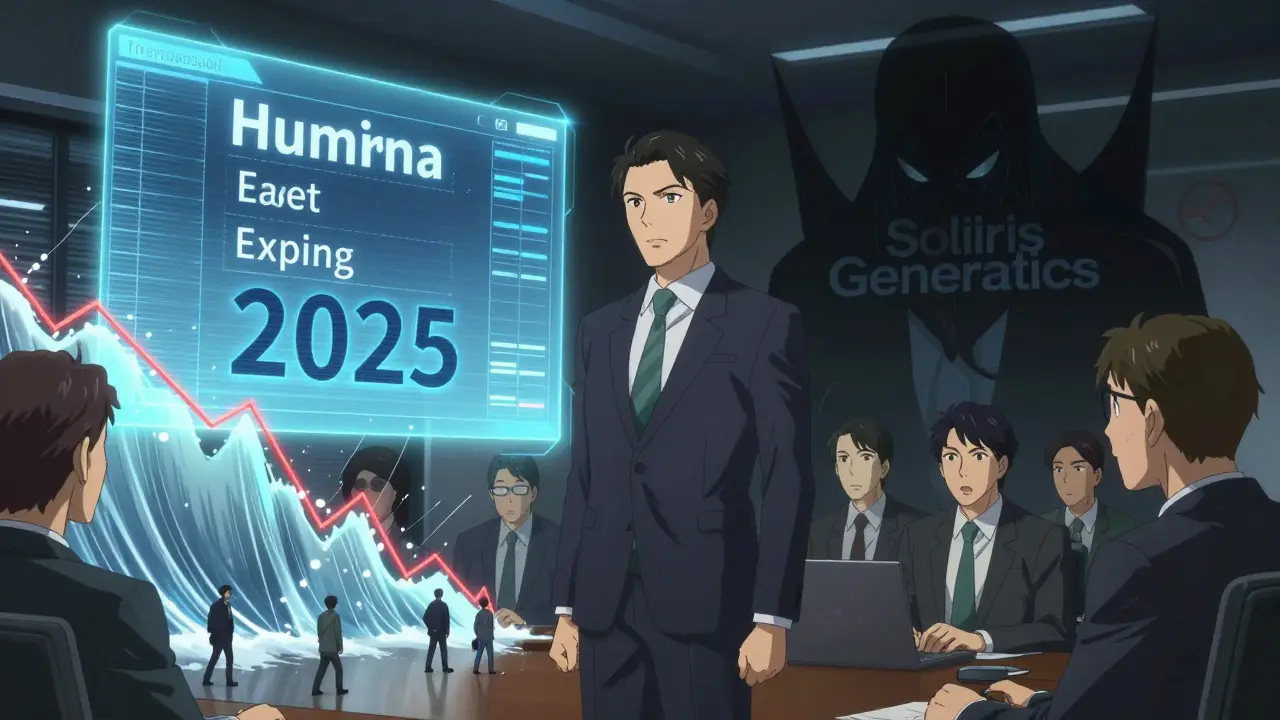
Humira - the $20 billion blockbuster for rheumatoid arthritis - loses its last patent in 2025. AbbVie, the maker, has already set up Soliris Generics, a subsidiary, to produce the authorized generic. They’ve been preparing for years. This isn’t just a product launch. It’s a market takeover.
Analysts at Clarivate predict that by 2025, 15-20% more authorized generics will be made through subsidiaries like this. Why? Because $127 billion worth of brand-name drugs will lose patent protection in the next five years. Companies aren’t waiting. They’re building their own generic arms.
The FDA’s GDUFA III rules, effective through 2028, will keep this system running - but with tighter oversight. The goal? Balance innovation with access. Let brand companies compete fairly - but don’t let them block real competition.
What This Means for You
If you’re taking a generic drug, here’s what to ask your pharmacist:
- Is this an authorized generic?
- Was it made by the same company that makes the brand version?
- Is it made in the same facility?
If the answer is yes - you’re getting the same drug, at a lower price. No compromise on quality. No hidden risks. Just savings.
And if you’re wondering why your insurance prefers one generic over another - now you know. It’s not always about cost. Sometimes, it’s about control. The brand company still owns the recipe. They just let you buy it cheaper.
Are authorized generics the same as regular generics?
No. Regular generics are made by different companies using their own processes and sometimes different ingredients. Authorized generics are made by the original brand company - or under its direct control - using the exact same formula, equipment, and facility. They’re identical to the brand-name drug, not just similar.
Why are authorized generics cheaper if they’re made by the brand company?
They’re cheaper because they’re sold without the brand marketing costs. No TV ads. No sales reps. No fancy packaging. The brand company keeps the manufacturing costs low by using existing facilities and just changing the label. That savings gets passed on - but they still make money because they control the supply.
Can I trust an authorized generic as much as the brand name?
Yes - often more. Since they’re made in the same facility with the same standards, they’re subject to the same FDA inspections and quality controls. In fact, authorized generic facilities have a higher compliance rate (98.7%) than traditional generic plants (96.2%). You’re getting the exact same drug, with no extra risk.
How do I know if my generic is an authorized generic?
Check the label. Authorized generics often have names like "Greenstone," "Az generici," or "Pfizer Authorized Generic." You can also ask your pharmacist or look up the drug on the FDA’s Orange Book. Starting in 2024, manufacturers must disclose if it’s made in the same facility as the brand-name version.
Do authorized generics delay cheaper generics from entering the market?
Sometimes. Critics argue that when a brand company launches its own generic, it can discourage independent manufacturers from entering because the price is already low. This can delay true competition. But proponents say it still brings down prices faster than waiting months or years for other generics to get approved. It’s a trade-off between speed and competition.


Reviews
So let me get this straight - the same pill that costs $500 under a fancy label is now $5 with a different box and a subsidiary name? And we’re supposed to be thrilled? The system isn’t broken, it’s just been polished to look like a mirror.
This is the most manipulative thing I’ve seen in pharma since they started putting antidepressants in children’s juice boxes. They’re not lowering prices - they’re locking you into their version of cheap.
As someone who’s worked in clinical supply chains, I’ve seen these facilities. Same line. Same gloves. Same humidity controls. The only thing different is the label printer. If you’re worried about quality, an authorized generic is the safest bet - no guesswork, no reverse-engineered fillers, no ‘close enough’ chemistry. It’s the real deal, repackaged.
Let’s not pretend this is consumer-friendly. This isn’t market competition - it’s corporate camouflage. Pfizer doesn’t want to lose market share, so they create a ghost version of themselves to scare off the real generics. It’s like a vampire wearing a disguise to stop the garlic. The FDA’s transparency rules? A Band-Aid on a hemorrhage. And don’t even get me started on how this delays true innovation - we’re not talking about savings, we’re talking about monopolistic theater.
Been taking an authorized generic of my blood pressure med for 3 years. Never had a hiccup. My doc didn’t even notice the switch. Honestly? I didn’t even know it was authorized until I read this post. But now that I do - I’m glad. No weird side effects, no price spikes, no mystery ingredients. Just the same pill I was on, just cheaper. Sometimes the system works - even if it’s weird.
It is imperative to note that the manufacturing integrity of authorized generics is maintained under the aegis of the original New Drug Application, thereby ensuring regulatory continuity and pharmacokinetic equivalence. One must not confuse this with the heterogeneous processes employed by third-party generic manufacturers, which often involve variable excipient sourcing and non-validated dissolution profiles.
Let me be clear - this isn’t capitalism. This is American pharmaceutical supremacy. We don’t just make drugs. We own the blueprint. And we control the flow. If you think some foreign factory is going to undercut us? You’re dreaming. The authorized generic isn’t a concession - it’s a declaration of dominance. We made it. We own it. And now you get to buy it at a discount. Be grateful.
The therapeutic equivalence metrics here are fascinating - the FDA’s 98.7% compliance rate for authorized generic facilities versus 96.2% for traditional generics speaks volumes about the structural advantages of vertically integrated manufacturing. The cGMP infrastructure, batch traceability, and process validation protocols are all inherited from the originator’s NDA, which eliminates the stochastic variability inherent in independent generic manufacturing. This isn’t just about cost - it’s about systemic reliability in a pharmacovigilance ecosystem that’s increasingly fragile.
Authorized generics are just the pharma-industrial complex’s way of saying ‘we’re still in charge.’ Same pill, same factory, same profit margin - just with a different label. It’s corporate theater dressed up as consumer relief.
So you’re telling me the FDA lets a company make their own generic and call it a win for consumers? That’s not competition - that’s a monopoly with a discount sticker. And don’t get me started on how this delays real generics. The system is rigged. The brand companies win. Patients lose. The FDA is just the bouncer letting them in the back door.
Look - I used to pay $800 a month for my autoimmune med. Now I pay $120 for the authorized generic. Same pill. Same results. No more panic when my insurance changes. I don’t care if it’s Pfizer’s ghost version - it’s keeping me alive and sane. Stop overthinking the label. Focus on the fact that you’re getting the same quality, for less. That’s not a loophole - that’s a lifeline.
It is a well-established fact that authorized generics constitute a form of regulatory arbitrage, wherein the originator exploits the Hatch-Waxman framework to preempt market entry by independent generic manufacturers. This is not innovation - it is strategic suppression under the guise of accessibility.
I’m so glad someone finally explained this. I’ve been taking my mom’s authorized generic for her arthritis and never knew the difference. Now I feel better about it. She’s saving hundreds every month. That’s what matters.
What’s wild is that the FDA’s own data shows these facilities are more compliant than regular generics. That’s not a coincidence - it’s because they’re the same facilities. The real question isn’t whether they’re the same - it’s why we ever thought they weren’t. We’ve been conditioned to distrust anything without a brand name. But if the factory, the chemists, the machines, and the inspectors are all identical… why are we still scared? Maybe the problem isn’t the drug. Maybe it’s the story we tell ourselves about it.