
Author: Arlen Fairweather

19.03.2026
Esophageal Cancer Risk: Chronic GERD and the Red Flags You Can't Ignore
Chronic GERD increases esophageal cancer risk by over 3 times. Learn the red flags - like trouble swallowing or unexplained weight loss - and who needs screening. Early detection saves lives.

13.03.2026
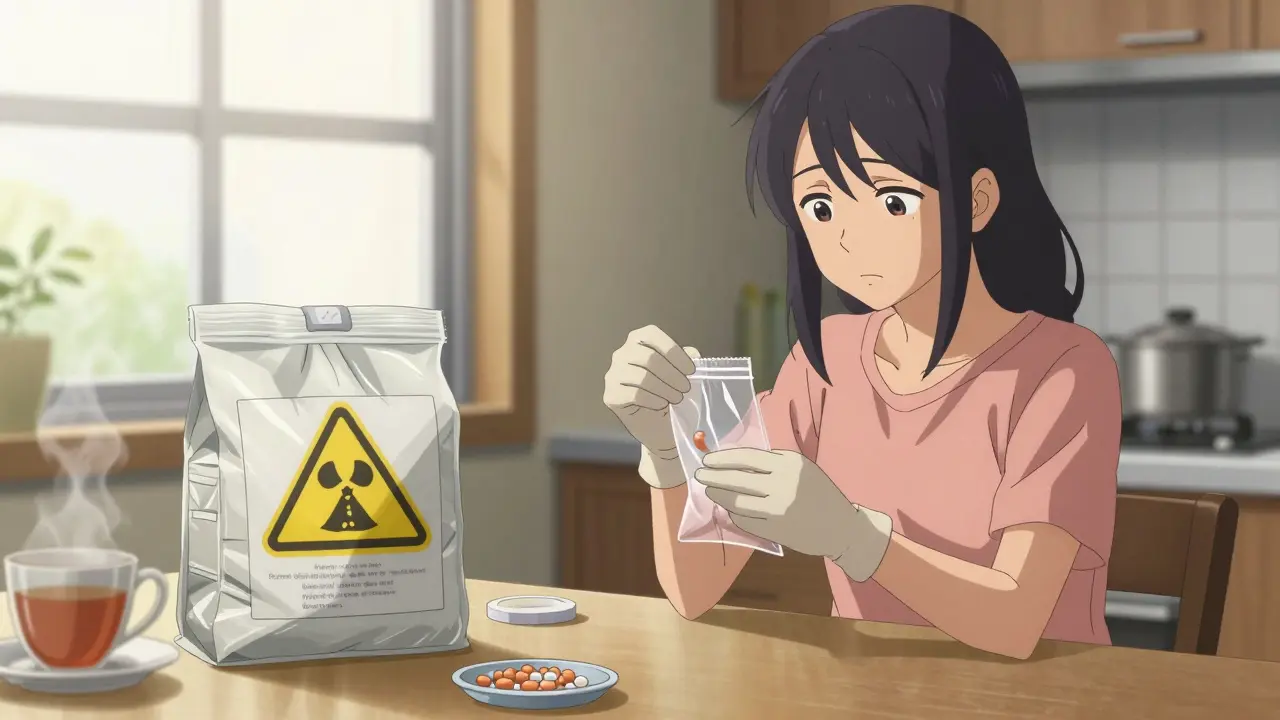
How to Safely Dispose of Chemotherapy Medication at Home
Learn how to safely dispose of chemotherapy medication at home using FDA and EPA guidelines. Avoid flushing, double-bag waste, and protect your family and environment with proven steps.
6.03.2026
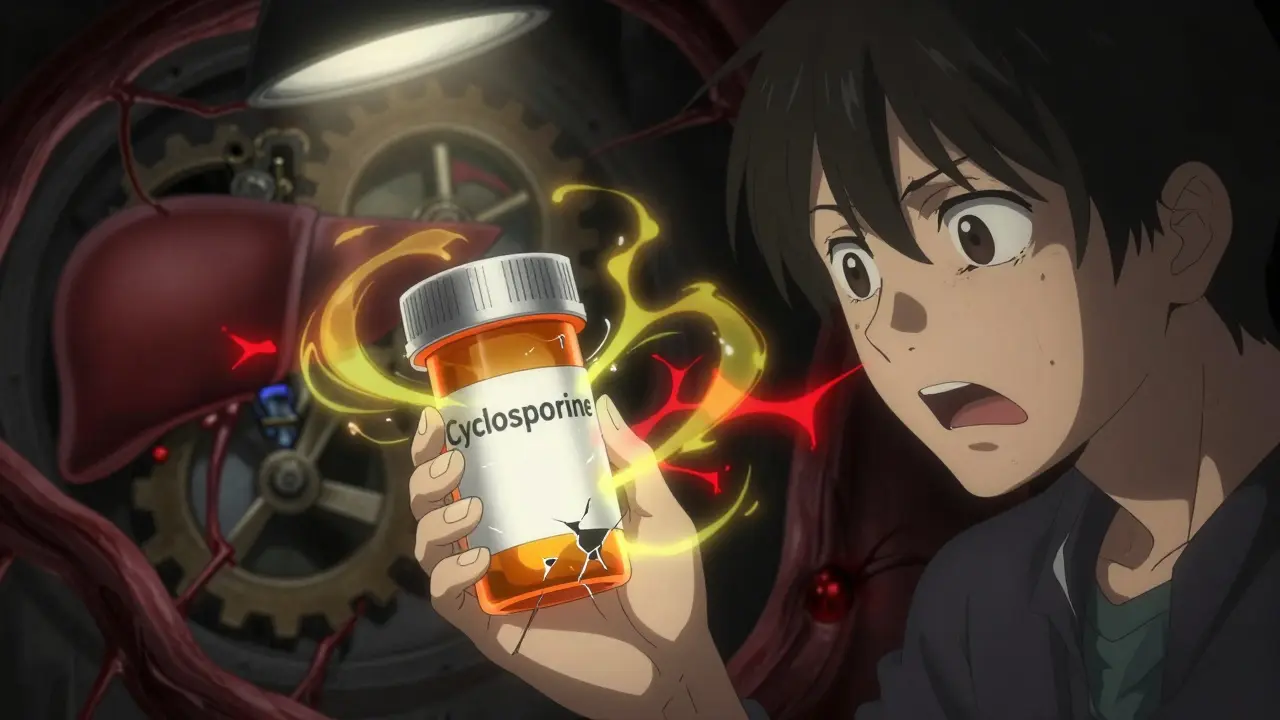
Supplements and Drug Interactions: Herbal Products and Safety
Herbal supplements can dangerously interfere with prescription medications, causing organ rejection, bleeding, or heart failure. St. John’s wort, ginkgo, and garlic are among the most risky. Most patients don’t tell their doctors-and neither do most doctors ask.

5.03.2026
Sleep Hygiene: Behavioral Changes for Better Sleep Quality
Sleep hygiene isn't about fancy gadgets-it's about daily habits that retrain your body to sleep better. Learn the 4 science-backed behaviors that improve sleep quality without medication.

1.03.2026
How to Create a Medication Plan Before Conception for Safety
A safe medication plan before conception can prevent serious birth defects. Learn how to review, adjust, and optimize your meds - including folic acid, thyroid drugs, and epilepsy treatments - to protect your future baby.

20.02.2026
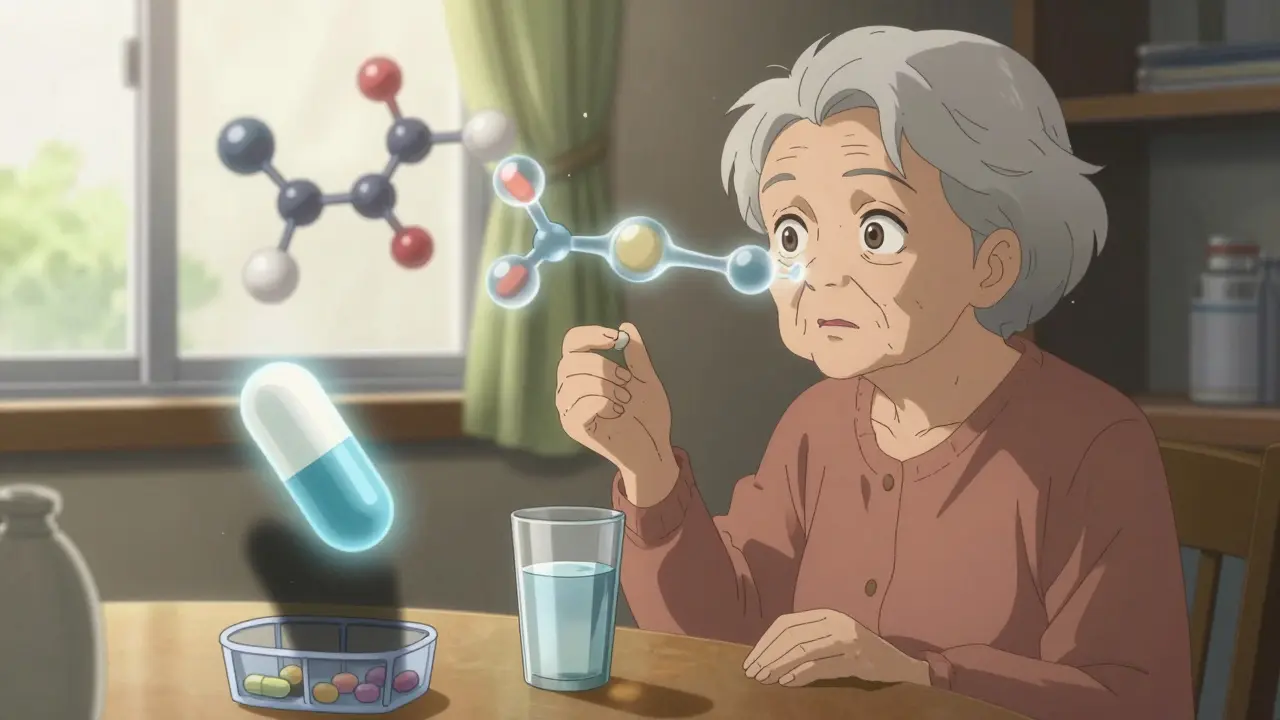
Language Access for Medication Counseling: What You Need to Know About Interpreter Rights
Language access for medication counseling ensures LEP patients receive safe, accurate drug instructions in their native language. Federal law now requires free interpreters, translated labels, and clear signage - because misunderstanding meds can be deadly.
8.02.2026
Magnesium Supplements and Osteoporosis Medications: Timing Rules
Magnesium supplements can block osteoporosis drugs like Fosamax if taken too close together. Learn the 2-hour timing rule, hidden sources of magnesium, and how to avoid treatment failure.
7.02.2026
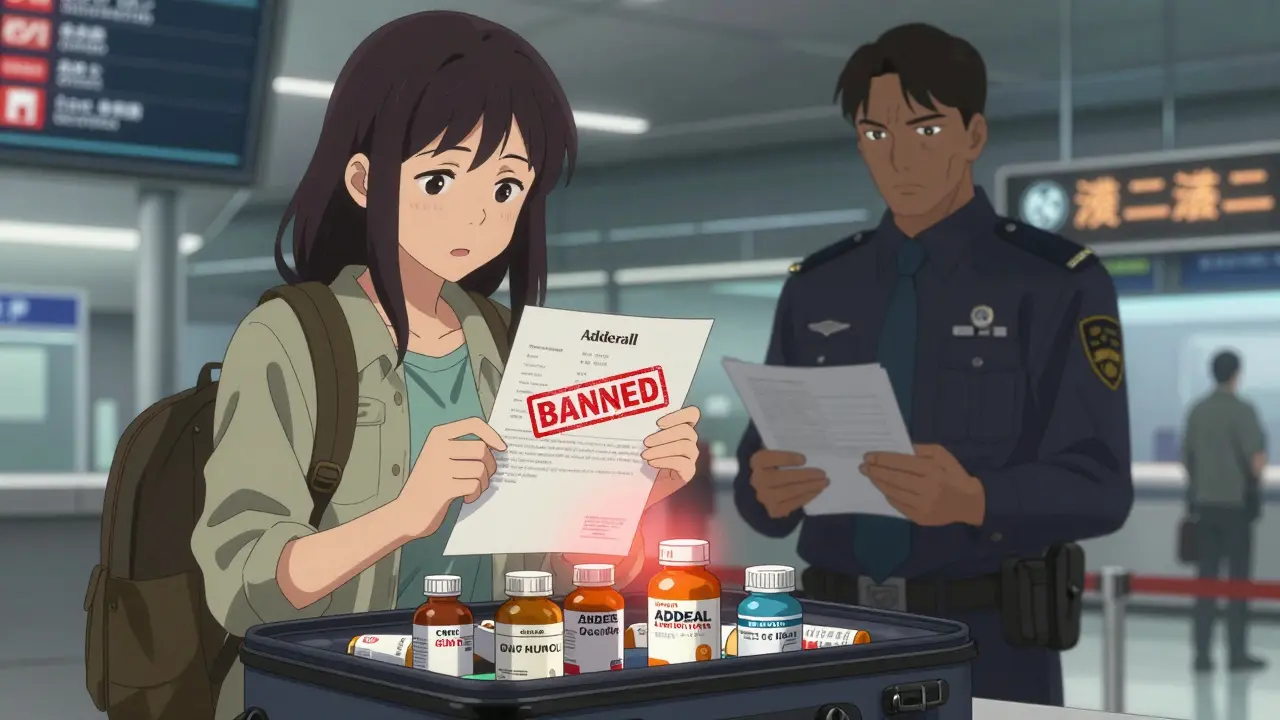
Border and Customs Rules for Bringing Medications Internationally in 2026
Learn the updated 2026 rules for bringing medications across borders. From controlled substances to translation requirements, know what you can carry-and what will get you into trouble.

4.02.2026
Drug-Induced Kidney Failure: How to Recognize and Prevent It
Drug-induced kidney failure happens when medications harm kidney function. This guide explains how to recognize it early and prevent it through simple steps like checking kidney health before taking certain drugs, avoiding NSAIDs when risky, and staying hydrated. Real patient stories and expert advice help you stay safe.

3.02.2026
Essential Tremor: Understanding the Movement Disorder and How Beta-Blockers Help
Essential tremor is the most common movement disorder, causing involuntary shaking that affects daily life. Beta-blockers like propranolol are the first-line treatment, offering significant relief for many-but not without risks or side effects. Learn how they work, who they help, and what alternatives exist.