Cervical Strain Recovery: What Works, What Doesn’t, and How to Speed It Up
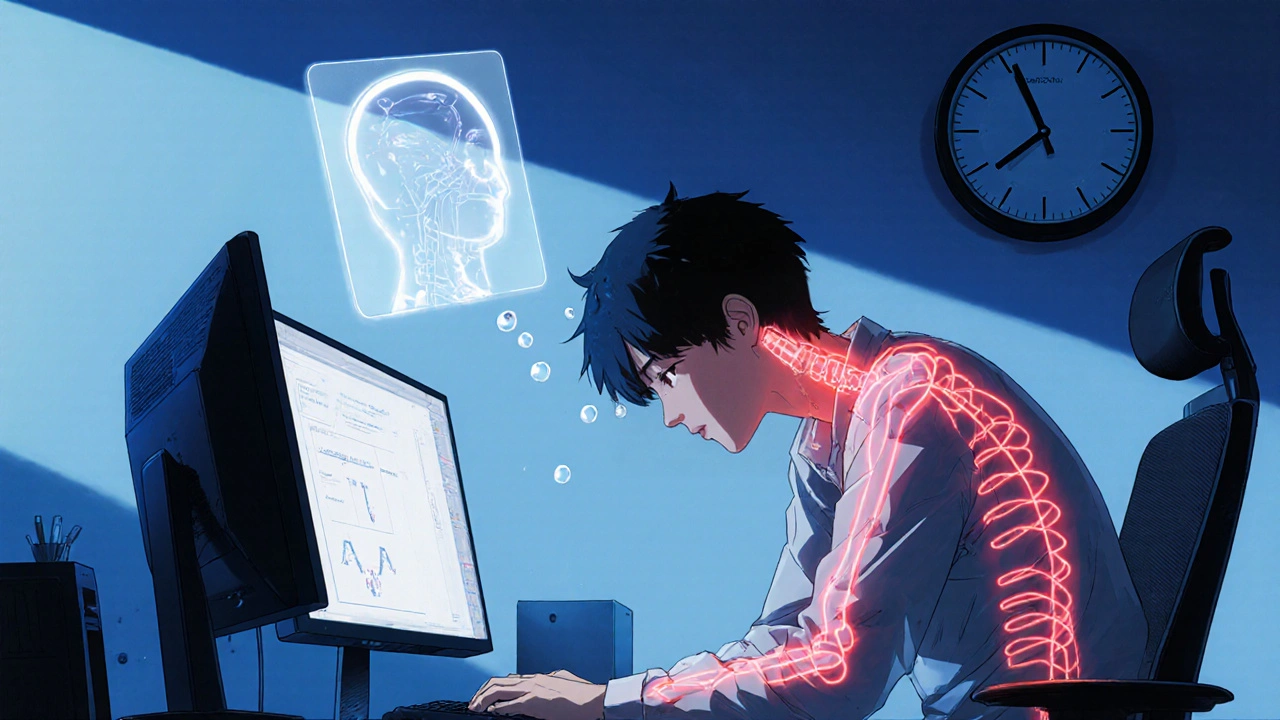
When your neck locks up after sleeping wrong or staring at a screen too long, you’re dealing with a cervical strain, a common injury where the muscles or tendons in the neck are stretched or torn. Also known as neck sprain, it’s not a serious injury—but it can ruin your day, week, or even month if you treat it wrong.
Cervical strain recovery isn’t about waiting it out. It’s about moving smart, reducing inflammation early, and fixing the habits that got you here. Most people rest too much, then jump back into their old routines too fast. That’s why so many end up with recurring pain. The real fix? Gentle movement within 24–48 hours, targeted heat or ice, and correcting how you hold your head. Your phone shouldn’t be at chest level—it should be at eye level. Your pillow shouldn’t lift your head like a ramp. These aren’t suggestions. They’re non-negotiable for recovery.
Physical therapy for neck issues isn’t just for athletes or office workers with chronic pain. It’s for anyone who’s had a strain that won’t quit. A physical therapist doesn’t just give you stretches—they teach you how to move without re-injuring yourself. They check your posture, your breathing, even how you sit at your desk. And they don’t just rely on machines. Real progress comes from learning to activate the right muscles, not just squeezing a stress ball. If you’ve tried painkillers and it didn’t help, that’s not unusual. Medications don’t fix movement patterns. They just mask the signal.
Some people swear by massage or chiropractic adjustments. Those can help with short-term relief, but if you don’t fix the cause—like slouching, cradling your phone, or sleeping on your stomach—you’ll be back in the same spot in a few weeks. The same goes for those neck braces you see advertised. They’re useful for a few days after a bad injury, but wearing them for weeks weakens your muscles. Your neck needs to rebuild strength, not stay locked in place.
And let’s talk about sleep. You can do every stretch in the world, but if you’re sleeping with your neck twisted or your head too high, you’re undoing all your work. A supportive pillow isn’t a luxury—it’s part of your treatment plan. Look for one that keeps your spine in a straight line, not one that feels like a cloud. Clouds don’t support. They sink.
Recovery isn’t linear. Some days feel better. Some days feel worse. That’s normal. What’s not normal is giving up because it’s taking longer than you hoped. Most cervical strains heal in 4 to 6 weeks with the right approach. But if you’re still in pain after 8 weeks, it’s not just a strain anymore. It might be something deeper—like nerve irritation or joint dysfunction. That’s when you need to see a specialist, not just buy another heating pad.
Below, you’ll find real stories and science-backed tips from people who’ve been there. No fluff. No miracle cures. Just what actually helps people get back to moving without pain—whether it’s fixing their workstation, learning a simple neck exercise, or finally ditching that pillow that’s been hurting them for years.