
Most people think a drug patent lasts 20 years - and that’s technically true. But if you’re waiting for a brand-name medication to drop in price because the patent ran out, you might be waiting longer than expected. The real story isn’t about the clock ticking down from filing day. It’s about a tangled system of delays, extensions, legal tricks, and regulatory rules that can stretch or shrink the time a drug stays expensive. By the time most drugs hit the market, they’ve already used up half their patent life. And what’s left? That’s where things get messy.
Why 20 Years Isn’t 20 Years of Market Control
The 20-year patent term starts the day the drug company files its application - not when the drug is approved. That’s the key detail most people miss. Drug development takes years. Clinical trials alone can last 7 to 10 years. By the time the FDA gives the green light, the patent may have only 7 to 12 years left. That’s not enough time for a company to recoup the average $2.3 billion it spent developing the drug. So the system has built-in fixes.
One fix is Patent Term Extension (PTE), created by the Hatch-Waxman Act in 1984. This lets companies add back up to five years of protection to make up for time lost during FDA review. But there’s a catch: the total time a drug has market exclusivity - patent plus regulatory delays - can’t go beyond 14 years from the date of FDA approval. So even if the patent was filed 12 years before approval, the company might only get 2 more years of extra protection. And they have to apply for it within 60 days of approval. Miss that window? The extension is gone.
More Than One Patent? Welcome to Patent Stacking
Most blockbuster drugs don’t rely on just one patent. They have a whole portfolio. There’s the original patent on the active ingredient - the molecule itself. Then there are patents on how it’s made, how it’s packaged, how it’s taken (tablet vs. injection), and even what diseases it treats. Each of these has its own 20-year clock, starting from its own filing date.
Take Spinraza, a drug for spinal muscular atrophy. Its main patent expired in 2023, but other patents on delivery methods and formulations keep it protected until 2030. That’s not a loophole - it’s standard practice. Companies file dozens of these secondary patents during development, knowing they’ll need them later. The FDA doesn’t control these. The USPTO does. And as long as they’re legitimate, they’re enforceable.
This strategy is called “patent thickets.” Critics call it “evergreening.” The FTC says it delays generics by 2 to 3 years on average. For patients and insurers, that means higher prices longer. For companies, it’s how they protect revenue as the original patent winds down.
Regulatory Exclusivity: The Hidden Clock
Even if a patent expires, the FDA might still block generics. That’s because of something called regulatory exclusivity - separate from patents. It’s a government promise: no generic can be approved for a certain time, even if the patent is gone.
- New Chemical Entity (NCE) exclusivity: 5 years. No generic can even be submitted to the FDA during this time.
- New Clinical Investigation exclusivity: 3 years. Blocks generics that rely on the innovator’s new clinical data.
- Orphan Drug exclusivity: 7 years for drugs treating rare diseases (under 200,000 patients in the U.S.).
- Pediatric exclusivity: 6 months added to any existing exclusivity or patent if the company studies the drug in children.
These aren’t patents. They’re legal shields. And they stack. A drug might have 5 years of NCE exclusivity, plus 6 months of pediatric extension, plus a patent with 4 years left. That’s 9.5 years of total protection - even if the original patent technically expired after 8 years.
The Patent Cliff: When Prices Crash
The moment the last patent and exclusivity period end, it’s called the “patent cliff.” This is when generics flood the market. And prices don’t just drop - they collapse.
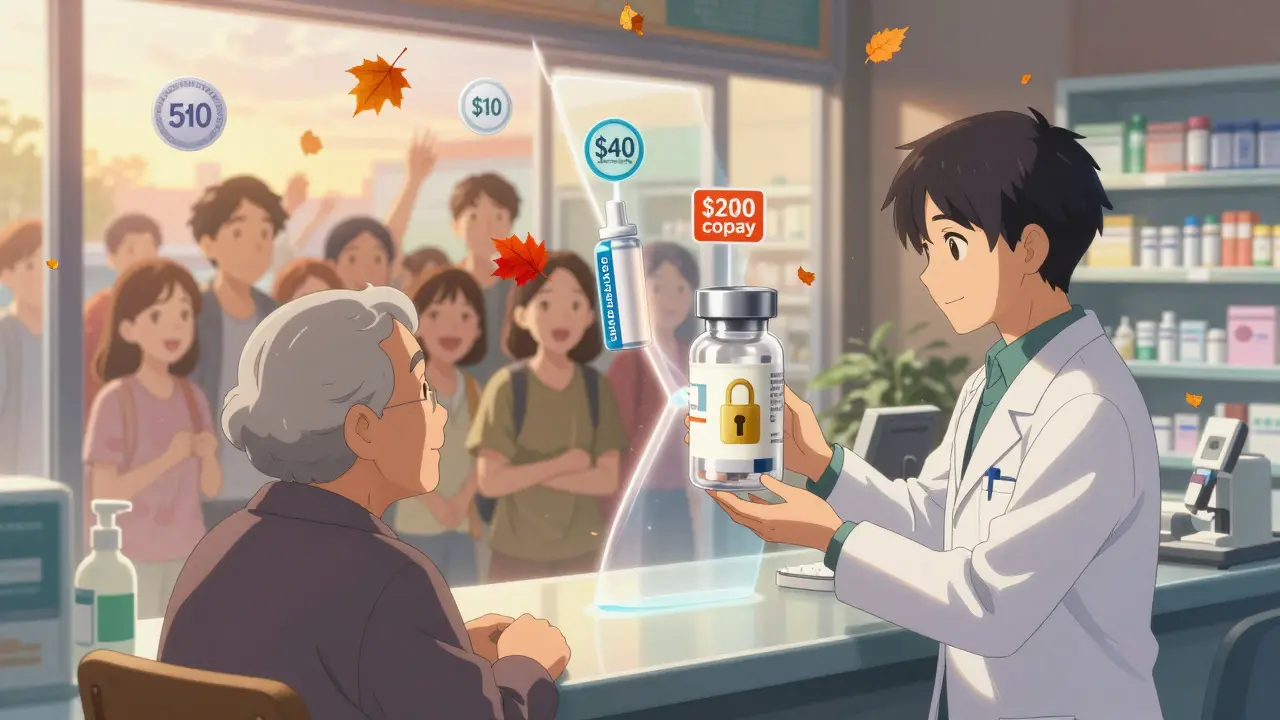
After Eliquis (apixaban) lost patent protection in December 2022, generic versions grabbed 35% of the market in six months. Within a year, the average wholesale price fell 62%. By 18 months, most small-molecule drugs see 90% generic market share. Pharmacists see it every day: patients switch from $50 copays to $10. Insurance companies celebrate. Patients breathe easier.
But not all drugs fall the same way. Biologics - complex drugs made from living cells - face slower generic entry. Their copies are called biosimilars, and they’re harder to make. They need extra studies. So even after patents expire, biosimilars might take 2 to 3 years to gain 40% market share.
And here’s the kicker: sometimes, the first generic company gets a 180-day exclusivity period. That means they’re the only one allowed to sell for half a year. No one else can enter. That drives prices down fast - but only for them. Others wait. This system is designed to encourage challenges, but it also creates delays.
What Happens When Companies Sue?
Generic companies don’t wait for patents to expire. They file a “Paragraph IV certification” - basically saying, “Your patent is invalid or we don’t infringe.” That triggers a lawsuit. And when a lawsuit happens, the FDA can’t approve the generic for 30 months. That’s called a 30-month stay.
Most lawsuits don’t go to trial. They settle. Sometimes the brand company pays the generic maker to delay entry - a “pay-for-delay” deal. The FTC hates these. They’re illegal if they’re just about keeping prices high. But they still happen. In fact, about 20% of patent challenges end in settlements that delay generics.
And if the generic company wins? They get a 180-day exclusivity window. That’s a big prize. That’s why so many generic companies file Paragraph IV certifications - even if the patent is strong. It’s a gamble. Win big, or lose everything.
What’s Changing Right Now?
The system is under pressure. In 2024, Congress introduced the “Restoring the America Invents Act,” which would cut back on Patent Term Adjustments. That could shave 6 to 9 months off the total protection period. The USPTO is also automating PTA calculations, which will make the process faster and more transparent.
At the same time, drug companies are getting smarter. Instead of just relying on one drug, they’re building franchises. Take Tagrisso (osimertinib). Its main patent expires in 2026, but it’s now combined with other drugs in new formulations. Those combo products have new patents that stretch protection to 2033.
And globally? The World Health Organization is pushing for shorter patent terms - 15 years instead of 20 - to improve access to medicines. The U.S. pharmaceutical industry fights back, saying the current system funds innovation. But with $268 billion in revenue lost to patent expirations between 2023 and 2028, the pressure is mounting.
How to Find Out When a Specific Drug’s Patent Expires
If you want to know when your medication will go generic, check the FDA’s Orange Book. It’s the official list of approved drugs and their patents. Every innovator company must list their patents within 30 days of approval. The Orange Book shows the patent number, expiration date, and any exclusivity periods.
Third-party tools like DrugPatentWatch or LexisNexis can help too. They pull data from the Orange Book, court filings, and patent office records. They’ll show you not just the expiration date, but also pending lawsuits, patent challenges, and expected generic entry dates.
And if you’re a patient? Ask your pharmacist. They track these dates. They know when your $200 copay might drop to $15. And they’ll tell you if a generic is coming - even if your insurance hasn’t updated its formulary yet.
Why This Matters to You
Drug patents aren’t just legal documents. They’re financial lifelines for companies - and price tags for patients. When a patent expires, the cost of care drops. Insurance premiums can fall. Out-of-pocket costs shrink. But if the system is gamed - with patent stacking, pay-for-delay deals, or extended exclusivity - patients pay more for longer.
The 20-year term sounds simple. But the reality? It’s a complex web of law, science, money, and strategy. Understanding it doesn’t just help you predict when your next prescription will be cheaper. It helps you understand why it was so expensive in the first place.
Do all drug patents expire after exactly 20 years?
No. The 20-year term starts when the patent is filed, not when the drug is approved. By the time a drug reaches the market, 5 to 10 years may have already passed. Patent Term Extensions can add up to 5 more years, and regulatory exclusivity periods (like 5-year NCE exclusivity) can block generics even after the patent ends. So total market protection often lasts 12 to 14 years, sometimes longer with multiple patents.
Can a drug still be expensive after its patent expires?
Yes, but only temporarily. Once a patent expires, generic manufacturers can enter the market. But it takes time - sometimes up to a year - for generics to get approved and distributed. During that gap, the brand-name drug may still be the only option. Also, if the drug has pediatric exclusivity or other regulatory protections, generics can’t be approved until those end. After generics arrive, prices usually drop 60-90% within 18 months.
What’s the difference between a patent and regulatory exclusivity?
A patent is granted by the USPTO and protects the invention - like the chemical structure of the drug. Regulatory exclusivity is granted by the FDA and protects the data from clinical trials. Even if a patent expires, the FDA can’t approve a generic until the exclusivity period ends. Exclusivity doesn’t require a lawsuit to enforce - it’s automatic. You can have both at the same time, and they don’t always end together.
Why do some drugs have multiple patents?
Companies file multiple patents to extend protection. One patent might cover the active ingredient. Another covers how it’s made. Another covers a new dosage form or a new use (like treating a different disease). Each patent has its own 20-year clock. By layering them, companies can keep generics out even after the original patent expires. This is common for blockbuster drugs and is legal as long as the patents are valid.
How do I find out when my drug’s patent expires?
Check the FDA’s Orange Book online - it lists all approved drugs and their patents. You can search by brand name or active ingredient. Third-party tools like DrugPatentWatch or LexisNexis provide easier-to-read summaries with expiration dates, lawsuits, and expected generic entry. Your pharmacist can also help - they track these dates closely because it affects what they can dispense and what your insurance will cover.
Are biosimilars the same as generic drugs?
No. Generics are exact copies of small-molecule drugs made from chemicals. Biosimilars are copies of biologic drugs, which are made from living cells. They’re very complex and can’t be identical. So they require more testing to prove they work the same. That’s why biosimilars take longer to enter the market and often have higher prices than generics. They also face more patent challenges and regulatory hurdles.
What happens if a generic company challenges a patent and loses?
If they lose in court, they can’t sell their version until the patent expires. But if they were the first to file a Paragraph IV challenge, they might still get 180 days of exclusivity - even if they lose. That’s because the law rewards the first challenger. But if they don’t launch within 75 days after winning the right, they lose that exclusivity. Many companies wait to see if others enter first, to avoid legal risk.
Why do some insurance plans charge more for generics after a patent expires?
That’s unusual, but it can happen during transition periods. Sometimes, insurance companies delay updating their formularies. Or they may require prior authorization for the generic. In rare cases, a drug may have a pediatric exclusivity extension that delays generic approval - so the brand is still the only option, and the copay hasn’t changed yet. Always check with your pharmacist or insurer if your copay jumps unexpectedly after a patent expiration.

Reviews
Okay, so let me get this straight: the 20-year patent starts ticking the moment they file it-often before Phase I trials even begin? That’s not a patent system; it’s a time-travel loophole for Big Pharma. They’re essentially banking on the fact that the FDA’s approval process is slow, then pocketing extra years via PTE like it’s a tax refund. And don’t even get me started on patent thickets-17 patents on one drug? That’s not innovation; it’s legal jiu-jitsu.
I’ve seen this firsthand with my dad’s COPD med. He paid $480/month for 5 years. When the main patent finally dropped, generics hit at $18. He cried. Not from joy-from relief. The system isn’t broken. It’s rigged.
Patent term extension sounds reasonable until you realize the clock starts ticking before the drug has even been proven safe. The FDA takes 7-10 years to approve a drug? That’s not a delay-it’s due diligence. But the patent system rewards companies for taking forever to do their job. Meanwhile, patients pay the price for corporate inefficiency disguised as intellectual property.
And don’t even mention pay-for-delay deals. That’s not capitalism. That’s collusion with a white coat.
America invented the modern pharmaceutical industry and now we’re letting bureaucrats and generics destroy it? The 20-year patent is sacred. If you want cheap drugs, move to India. We fund the R&D. They copy it. That’s the deal.
It is, without question, a matter of profound institutional failure that the current framework permits the strategic aggregation of intellectual property rights to such an extent that market exclusivity is effectively extended beyond the statutory intent of the Hatch-Waxman Act. The proliferation of secondary patents, particularly those concerning formulation, delivery mechanisms, and method-of-use, constitutes a systematic circumvention of the legislative balance intended to promote both innovation and accessibility. This is not merely a regulatory gap; it is a structural incentive toward rent-seeking behavior that undermines the foundational principles of competitive pharmaceutical markets.
Interesting breakdown. I appreciate how you clarified the difference between patents and regulatory exclusivity. Many people conflate them. The Orange Book is the real key-most patients don’t even know it exists. Pharmacists are the unsung heroes here. They’re the ones who track these dates, update formularies, and explain to patients why their $200 pill just became $12. If you want to understand drug pricing, talk to your pharmacist. Not your senator.
Oh, so now we’re pretending this is about ‘fairness’? The patent system was designed to reward risk, not to be a public utility. If you can’t afford your medication, maybe you shouldn’t have chosen a life where you need $5,000/month drugs. And biosimilars? Please. They’re not ‘copies’-they’re approximations. If you want exact, go get a generic aspirin. This isn’t a grocery store.
Also, ‘patent thickets’? That’s just smart business. If you have a monopoly on a molecule, why wouldn’t you patent every possible variation? That’s not evil. That’s capitalism. With commas.
theyre lying. the gov and big pharma are in cahoots. the real reason drugs cost so much is because they put microchips in them to track you. also the patent thing? fake. the real patent expires in 7 years but they add fake ones using quantum encryption. i read it on a forum. my cousin works at the FDA. he says they delete the real dates. also, why do all the pills look the same now? its the surveillance.
As someone who’s lived in three countries, I’ve seen how this plays out differently. In Canada, we get generics faster. In Nigeria, people rely on Indian generics because they can’t wait. The U.S. system isn’t about innovation-it’s about profit maximization disguised as protection. The 20-year term was never meant to be a 14-year monopoly with extra layers. It’s a cultural choice: we value corporate returns more than patient access. And that’s not progress. That’s policy failure.
It is imperative to recognize that the current patent regime, while imperfect, serves as the primary engine for global pharmaceutical innovation. The absence of robust intellectual property protections in developing nations has resulted in the proliferation of substandard, counterfeit, and lethal pharmaceutical products. To undermine the 20-year term without equivalent global enforcement mechanisms is to sacrifice patient safety on the altar of ideological populism. The data is unequivocal: nations with strong patent regimes produce more novel therapies. The solution is not to shorten patents-it is to expand access through targeted subsidies, not structural sabotage.
so like... the drug companies just keep filing patents like they're playing monopoly? and we're the ones paying? wow. what a scam. also why do i have to pay for their bad math? they took 10 years to make the drug so they get 10 years of monopoly? that's not 20 years. that's 10. and then they add 5 more? that's 15. why not just say 15? why make it so confusing? also why do i have to read all this just to know if my pill is gonna get cheaper?
😭
It’s not about when the patent expires-it’s about when we decide that human life is worth more than corporate profit. The 20-year term is a relic of a time when drugs were rare and expensive. Now they’re commodities. And yet we treat them like sacred artifacts. We’ve built a system where a molecule’s value is measured in shareholder dividends, not in lives saved. The real patent cliff isn’t on a balance sheet-it’s in the hearts of people who choose between insulin and groceries.
My grandma’s on a drug that just went generic last month. She’s been paying $320 a month. Now it’s $12. She didn’t even know how to check the Orange Book. I showed her. She said, ‘Why didn’t anyone tell me this before?’ That’s the problem. This info is buried. The system doesn’t want you to know. And that’s not innovation. That’s exploitation.