
Category: Pharmacy and Medications - Page 2

20.02.2026
Language Access for Medication Counseling: What You Need to Know About Interpreter Rights
Language access for medication counseling ensures LEP patients receive safe, accurate drug instructions in their native language. Federal law now requires free interpreters, translated labels, and clear signage - because misunderstanding meds can be deadly.

12.02.2026
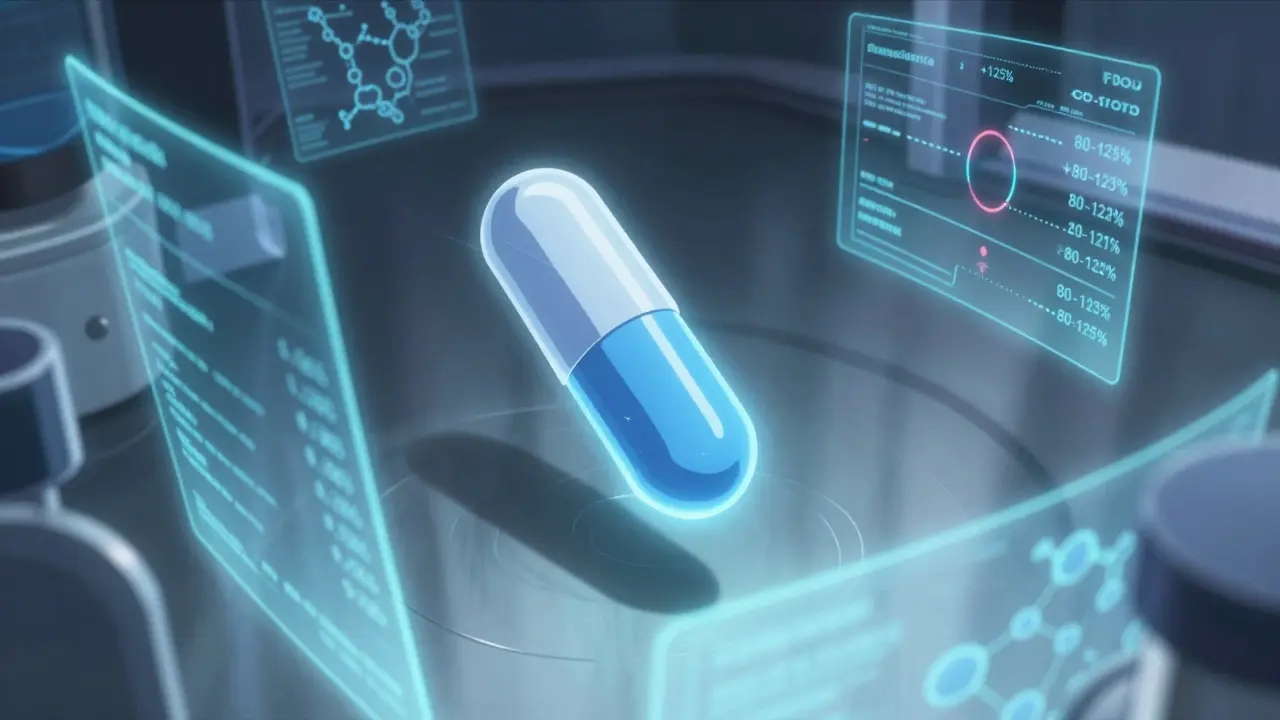
FDA’s Abbreviated New Drug Application Process Explained: How Generic Drugs Get Approved
The FDA's ANDA process lets generic drugs reach the market faster and cheaper by proving they're equivalent to brand-name drugs. It's saved $373 billion in 2021 alone and powers 90% of U.S. prescriptions.

8.02.2026
Magnesium Supplements and Osteoporosis Medications: Timing Rules
Magnesium supplements can block osteoporosis drugs like Fosamax if taken too close together. Learn the 2-hour timing rule, hidden sources of magnesium, and how to avoid treatment failure.
7.02.2026
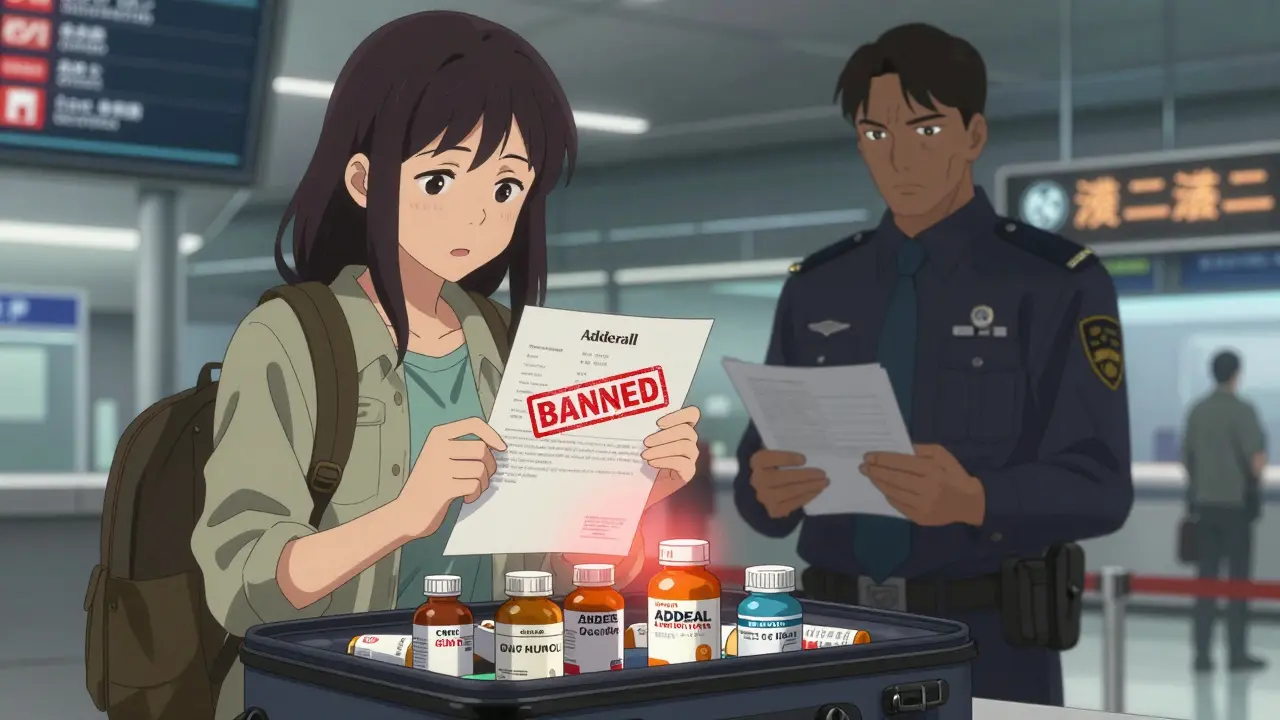
Border and Customs Rules for Bringing Medications Internationally in 2026
Learn the updated 2026 rules for bringing medications across borders. From controlled substances to translation requirements, know what you can carry-and what will get you into trouble.
5.02.2026
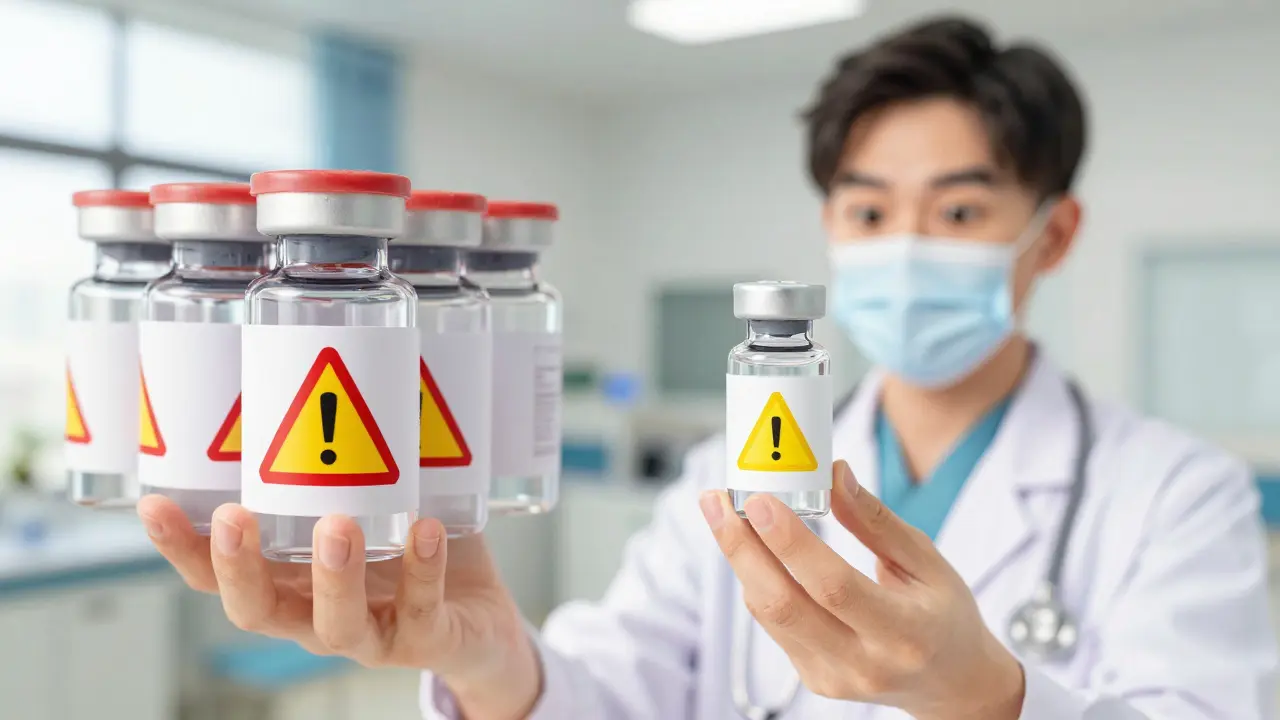
How to Identify Class-Wide vs. Drug-Specific Safety Alerts: A Practical Guide for Healthcare Professionals
Understanding class-wide vs drug-specific safety alerts helps healthcare providers make safer decisions. Learn how FDA determines scope, common mistakes, and tools for accurate identification.

4.02.2026
Drug-Induced Kidney Failure: How to Recognize and Prevent It
Drug-induced kidney failure happens when medications harm kidney function. This guide explains how to recognize it early and prevent it through simple steps like checking kidney health before taking certain drugs, avoiding NSAIDs when risky, and staying hydrated. Real patient stories and expert advice help you stay safe.
1.02.2026
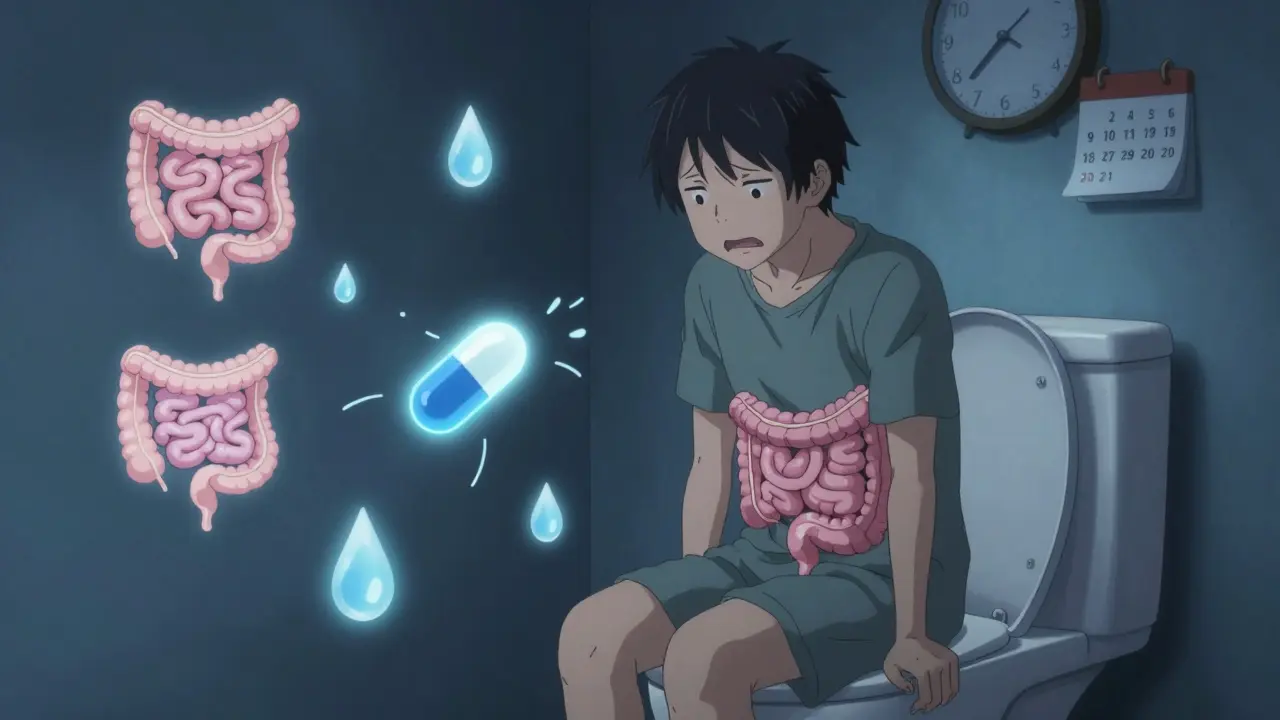
Opioid-Induced Constipation: How to Prevent and Treat It Effectively
Opioid-induced constipation affects 40-60% of people on long-term pain meds. Learn how to prevent it with proactive laxative use and when to turn to prescription PAMORAs for relief without losing pain control.

30.01.2026
Brown Bag Medication Review Events: Preparing for a Safe Checkup
A Brown Bag Medication Review helps seniors and others on multiple medications avoid dangerous drug interactions by bringing all their pills to a healthcare provider for a full check. It’s simple, proven, and life-saving.
27.01.2026
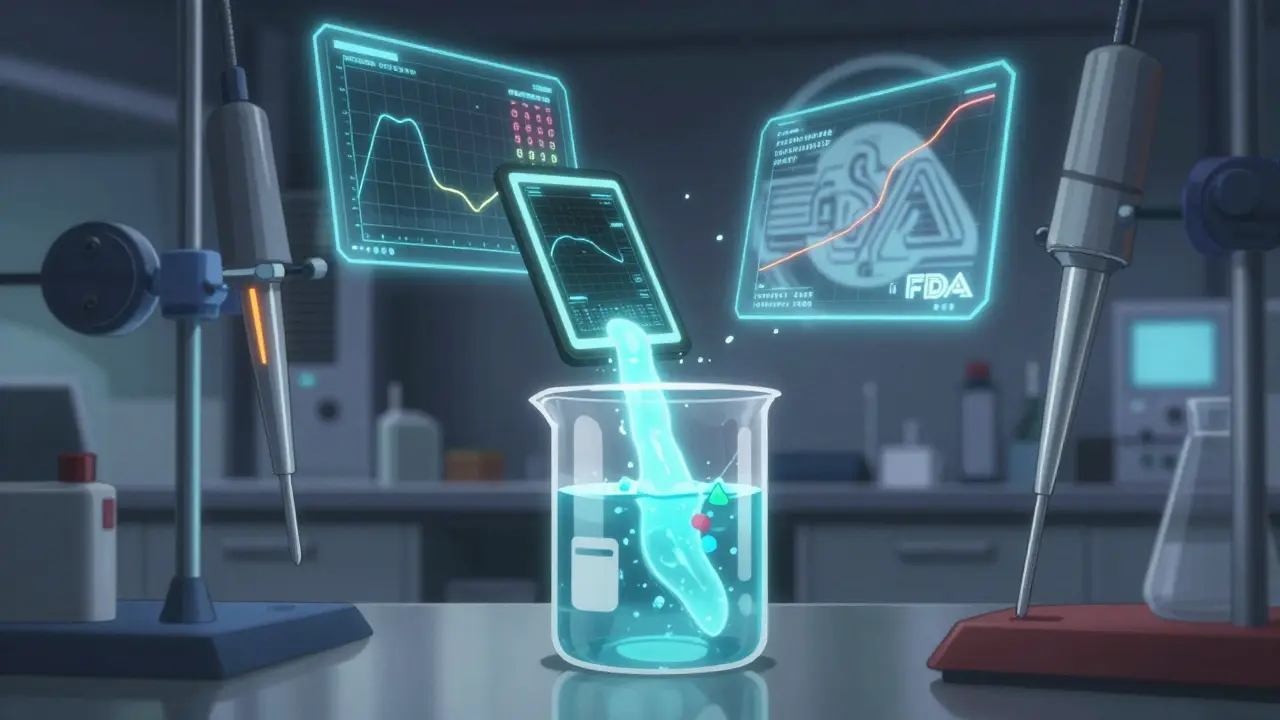
Dissolution Testing: How the FDA Ensures Generic Drug Quality
The FDA uses dissolution testing to ensure generic drugs release active ingredients at the same rate as brand-name versions. This lab-based method replaces human trials for many drugs, saving time and cost while maintaining safety and effectiveness.
26.01.2026
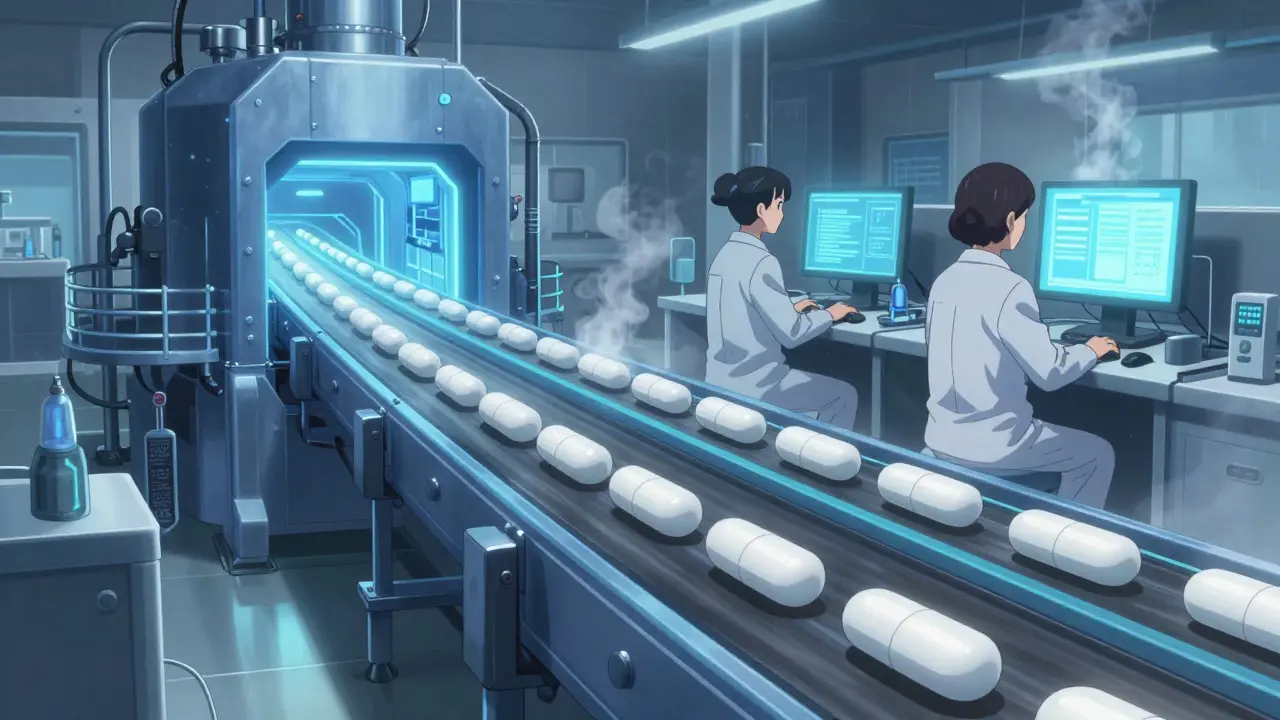
Who Actually Manufactures Authorized Generics? The Hidden Truth Behind Generic Drug Production
Authorized generics are made by the same companies that produce brand-name drugs - often in the same factories. Learn who really makes them, why they’re cheaper, and how they affect your medication costs.