
Archive: 2026/03
30.03.2026
Institutional Formularies: Understanding Hospital and Clinic Substitution Policies
Explore how institutional formularies manage drug selection and therapeutic substitution policies within hospitals and clinics, ensuring patient safety while controlling costs through regulated committee oversight.


27.03.2026
How to Store Prescription Labels and Leaflets Safely for Future Reference
Learn how to safely store prescription labels and medication leaflets to protect your health history. We cover physical and digital methods, organization tips, and privacy rules.

26.03.2026
Low Back Pain: Understanding Acute vs. Chronic and Physical Therapy Outcomes
Discover the differences between acute and chronic low back pain, how physical therapy outcomes vary by timeline, and strategies to prevent permanent disability.

19.03.2026
Esophageal Cancer Risk: Chronic GERD and the Red Flags You Can't Ignore
Chronic GERD increases esophageal cancer risk by over 3 times. Learn the red flags - like trouble swallowing or unexplained weight loss - and who needs screening. Early detection saves lives.

15.03.2026
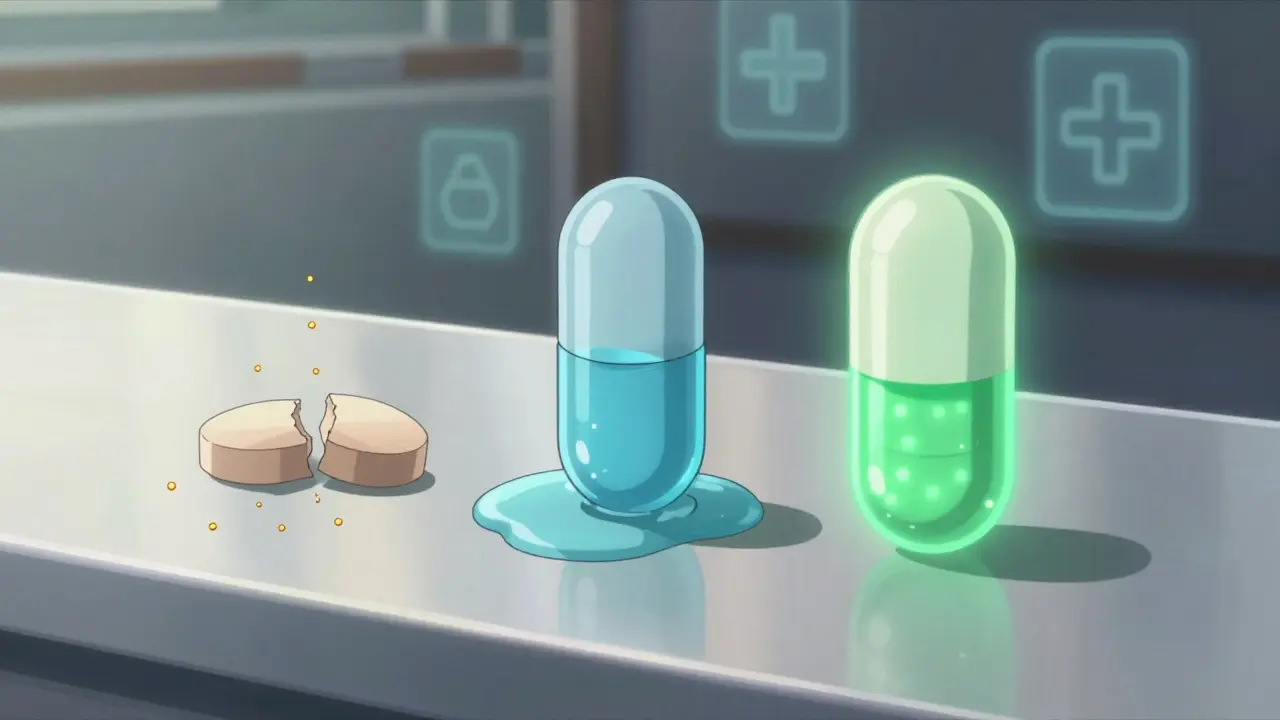
Tablets vs Capsules vs Extended-Release: Key Formulation Differences and Side Effects
Tablets, capsules, and extended-release medications work differently in your body - and that affects side effects, cost, and safety. Learn how formulation changes your experience with medication.
13.03.2026
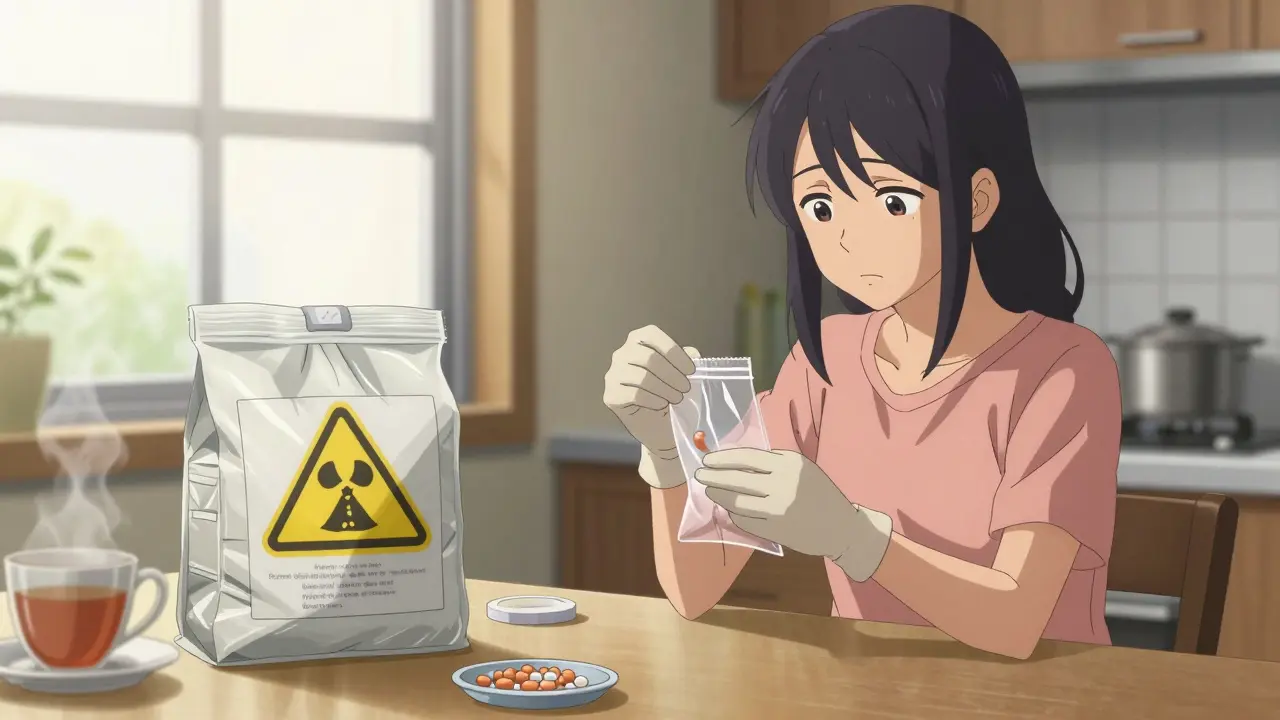
How to Safely Dispose of Chemotherapy Medication at Home
Learn how to safely dispose of chemotherapy medication at home using FDA and EPA guidelines. Avoid flushing, double-bag waste, and protect your family and environment with proven steps.
12.03.2026
NSAIDs and Heart Failure: How Common Painkillers Increase Fluid Retention and Hospitalization Risk
NSAIDs like ibuprofen and naproxen can trigger dangerous fluid retention in heart failure patients, leading to hospitalization. Even short-term use increases risk. Learn why no NSAID is safe and what to take instead.
8.03.2026
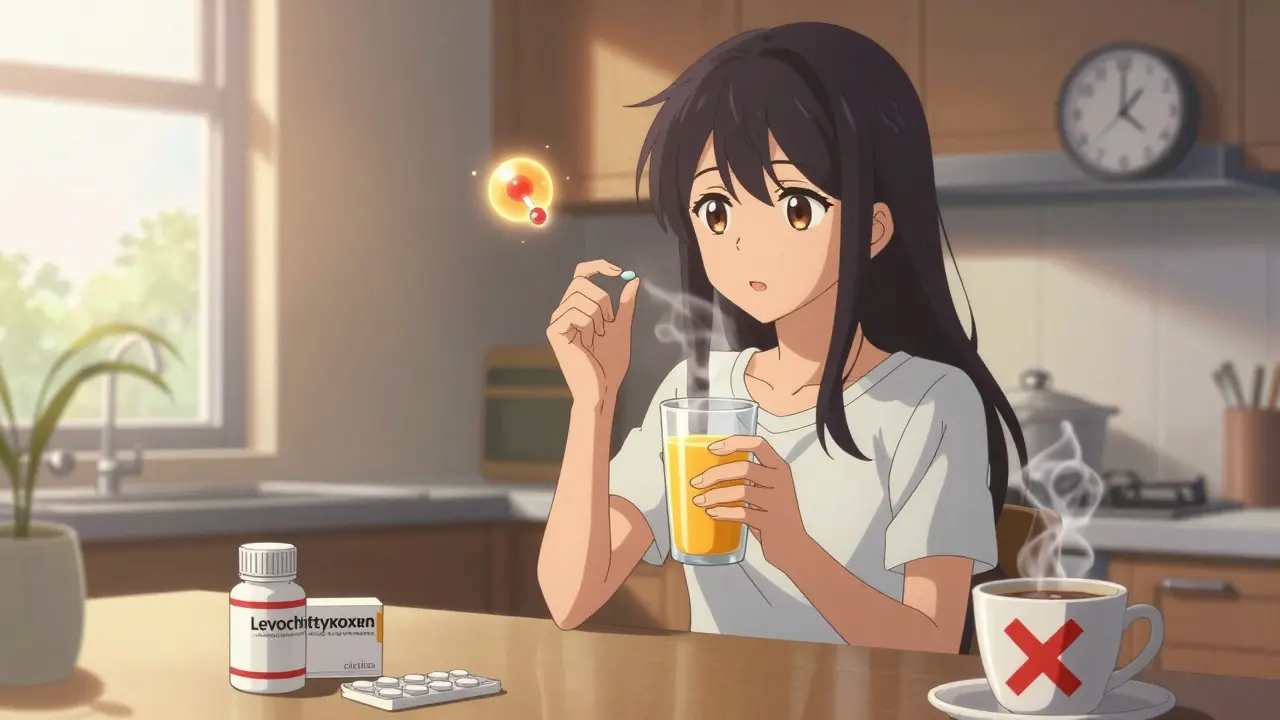
Calcium and Iron Supplements with Medications: How to Avoid Absorption Problems
Calcium and iron supplements can block each other and interfere with antibiotics, thyroid meds, and more. Learn how to time them right to avoid absorption problems and stay healthy.
6.03.2026
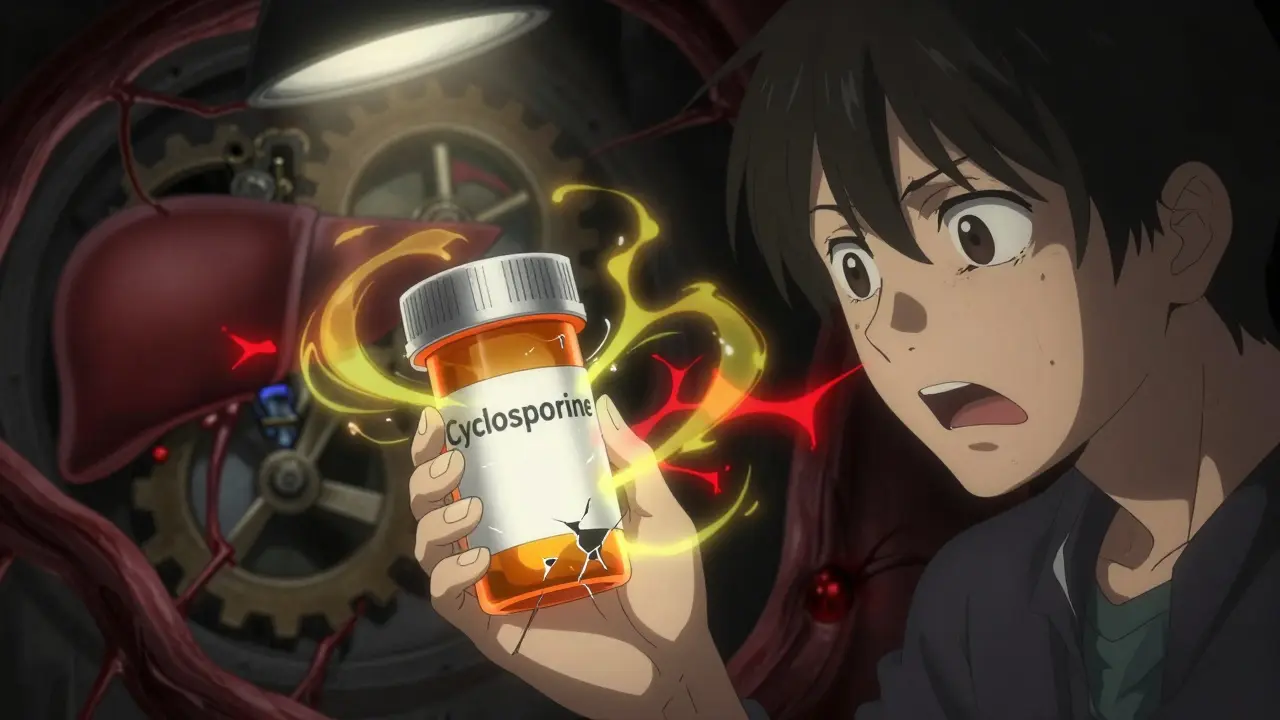
Supplements and Drug Interactions: Herbal Products and Safety
Herbal supplements can dangerously interfere with prescription medications, causing organ rejection, bleeding, or heart failure. St. John’s wort, ginkgo, and garlic are among the most risky. Most patients don’t tell their doctors-and neither do most doctors ask.

5.03.2026
Sleep Hygiene: Behavioral Changes for Better Sleep Quality
Sleep hygiene isn't about fancy gadgets-it's about daily habits that retrain your body to sleep better. Learn the 4 science-backed behaviors that improve sleep quality without medication.